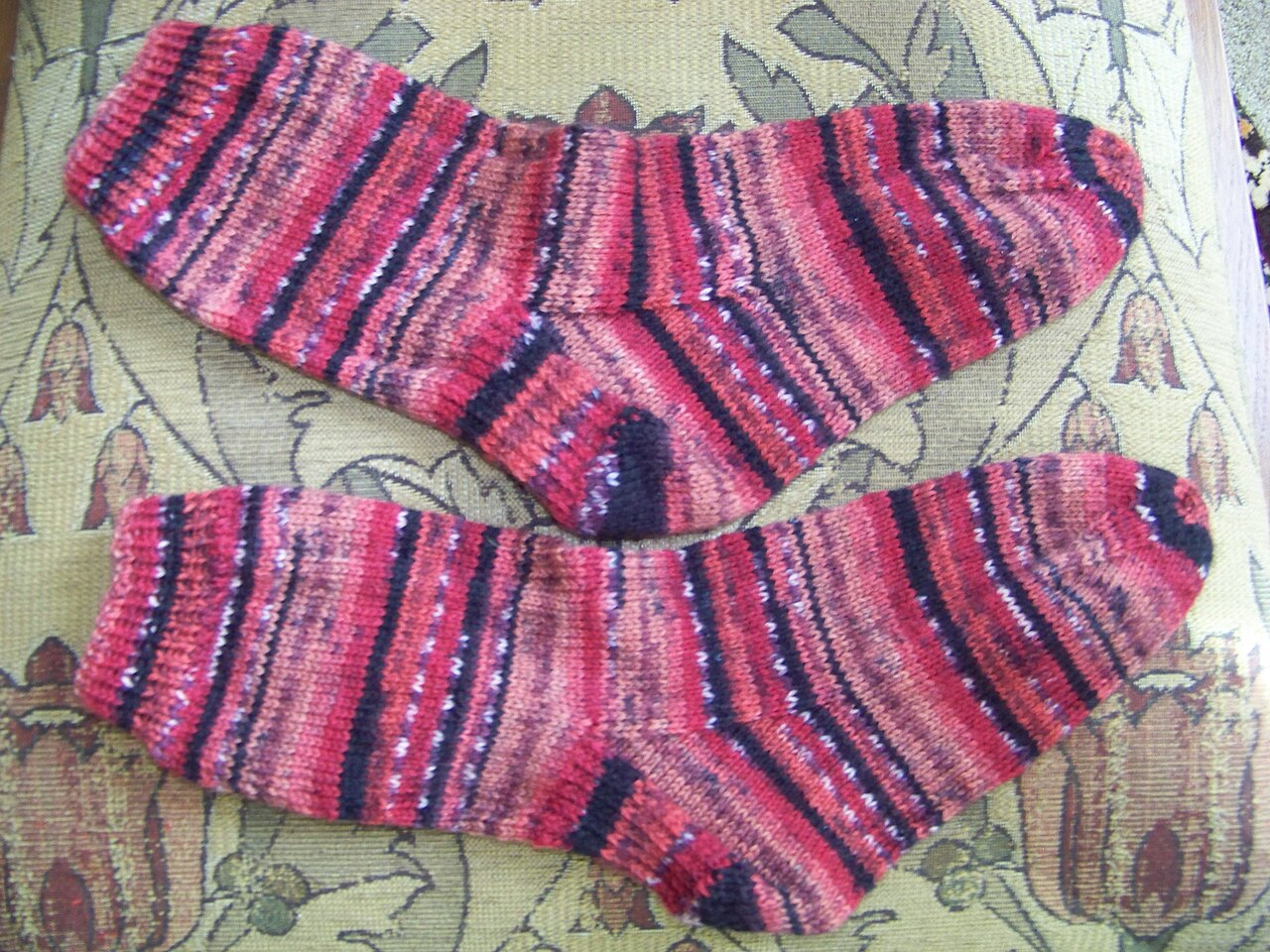
Cold wet socks, wool on top, straight to bed — it sounds backwards, but it’s one of naturopathy’s best-loved cold-night rituals. Here’s where it comes from, why people swear by it, and who should skip it.
Similar Posts
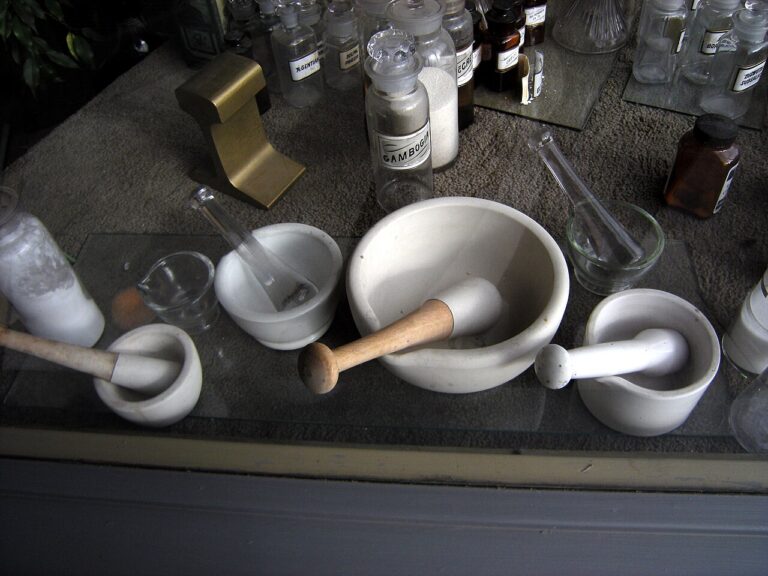
Poultices (clay, onion, mustard, cabbage leaf, bread, flaxseed)
Before there were tubes of cream, there was the poultice: a warm cloth of onion, mustard, bread or clay laid where it hurt. Here's how each one has been used, what people still reach for them for, and how to use them safely.
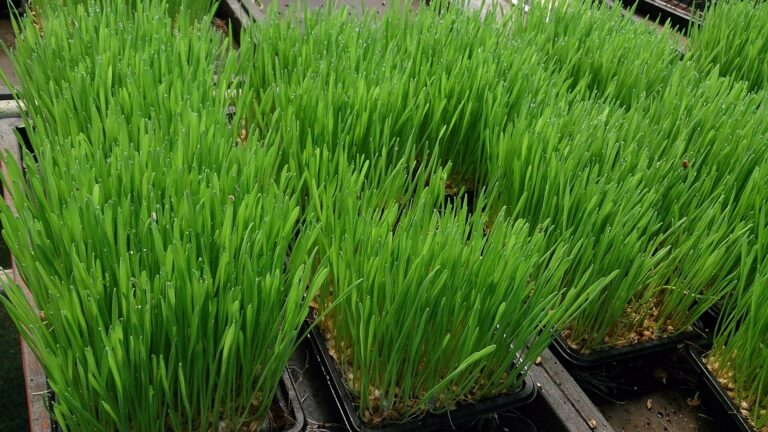
Wheatgrass and Barley Grass
Wheatgrass shots and barley-grass powders have been sold as "detox" and "blood-builders" since the 1940s. Here is where the habit came from, what the small human trials found, how people use them, and the raw-sprout, wheat-allergy, coeliac and warfarin cautions.
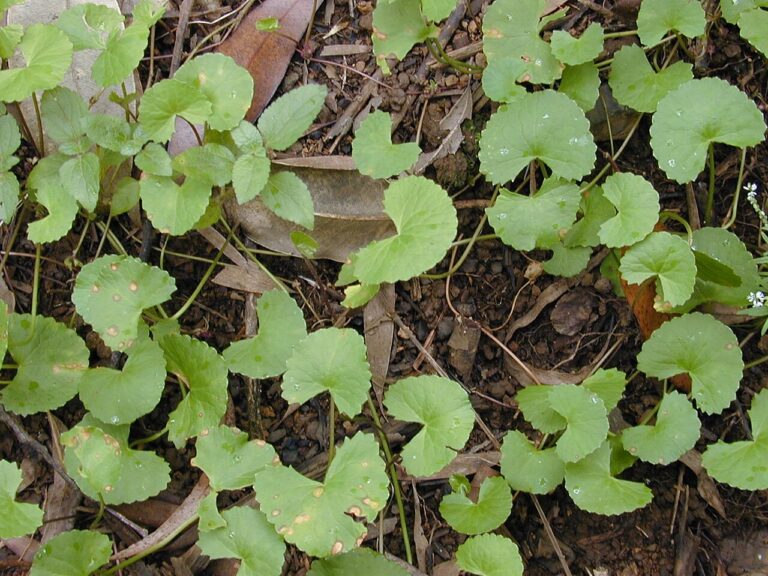
Gotu Kola
A small creeping plant from the carrot family, prized in Ayurveda as a "medhya rasayana", a tonic for the mind, and across Asia for skin, wounds and longevity. Sri Lankan tradition held that eating the leaves helped people live longer.
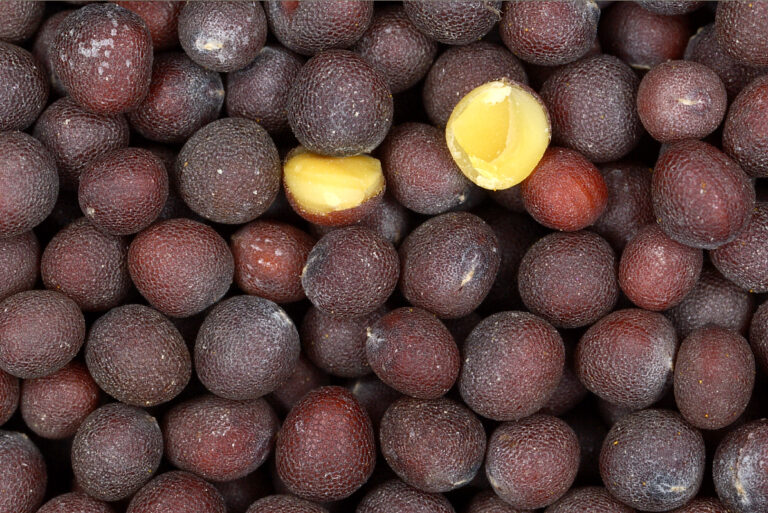
Mustard Seed
The seed in your mustard jar was once the go-to chest plaster and digestive spice. Here's how it was used, what the research says, and why mustard plasters can burn.
Mullein
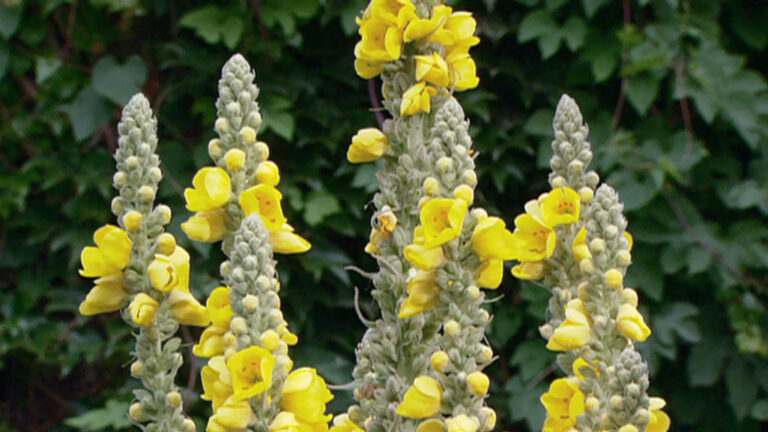
Mullein is the tall, velvety roadside plant that peoples from Spain to Turkey to the Canadian Interior have turned to for tight, irritated chests. Members can read every traditional use, how its soothing compounds are believed to work, and what the small body of research shows.
PMOS (polyendocrine metabolic ovarian syndrome, formerly PCOS): natural options
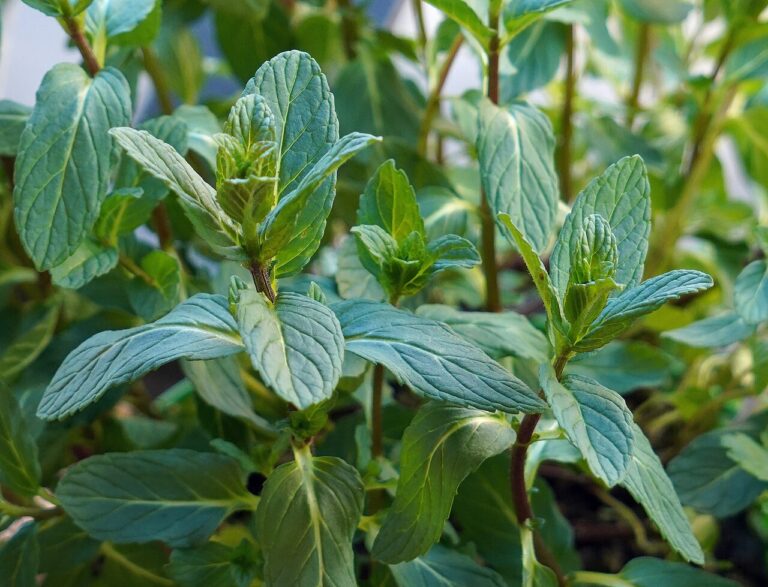
PCOS has a new name, PMOS, because it's about far more than the ovaries: hormones, blood sugar, weight, skin, mood and long-term heart health are all part of it. This guide walks through every natural option people use, from daily habits and spearmint tea to inositol and acupuncture, with the evidence and safety for each laid out plainly.