Cancer treatment can take a lot out of a person. Here’s the hopeful part: some of the gentlest things you can do for yourself are also the ones with the most research behind them.
Nausea that lingers for days after chemo. Tiredness that sleep doesn’t touch. Worry at 3 a.m. Joints that ache on hormone therapy. These are the moments people start asking, “What else can I do?”
That question has real answers now. Many cancer centres run integrative oncology programs, and the Society for Integrative Oncology (SIO) has written joint guidelines with the American Society of Clinical Oncology (ASCO) on which complementary options fit which symptoms. Here’s what made the list.
Quick take
- Movement is the best-studied complementary option during and after treatment, for tiredness, mood and strength.
- Acupuncture, ginger and mind-body practices like yoga and mindfulness are used for nausea, pain, stress and sleep, alongside the usual care.
- Supplements are the one area to clear with your oncologist first, because some can interact with treatment.
Why people look beyond treatment alone
Most people aren’t looking to replace their treatment. They want to feel more like themselves while they go through it. The usual reasons:
- Nausea and a poor appetite during chemo
- Fatigue that hangs on for weeks or months
- Anxiety, low mood and trouble sleeping
- Pain, including the joint aches some people get on aromatase inhibitors
- Wanting a part of the plan they can do themselves
The US National Center for Complementary and Integrative Health (NCCIH) calls this integrative care: complementary practices used together with conventional treatment. We looked at the difference between complementary and alternative care in our overview of alternative and complementary cancer care.
Movement: the option with the most evidence behind it

If one thing on this list had to come first, it’s this. In 2019 the American College of Sports Medicine brought together an international panel that reviewed the research and found that exercise during and after treatment helps with fatigue, anxiety, depression, physical function and quality of life. ASCO and SIO’s 2024 fatigue guideline puts it near the top too.
What the studies used was modest:
- About 30 minutes of moderate aerobic activity (brisk walking counts), three times a week
- Simple strength exercises twice a week
- Building up slowly, and resting on the hard days
For the bigger picture, the Physical Activity Guidelines for Americans suggest 150 minutes a week plus two days of strength work for adults, and Canada’s 24-Hour Movement Guidelines say the same. A five-minute walk is a real start.
Ask your team to tailor it if you have bone involvement, low blood counts, a new wound or lymphedema.
Food during treatment: comfort and strength first
During treatment, the goal is keeping your weight and strength up, so protein and enough calories matter more than perfection. What people find helpful (the US National Cancer Institute’s Eating Hints guide covers many of these):
- Small meals and snacks every few hours instead of three big meals
- Bland, cool or room-temperature foods on queasy days, since smells are often the trigger
- Protein at each meal: eggs, yogurt, beans, fish, nut butters, smoothies
- Extra care with food safety when your white cell count is low: skip unpasteurized foods, raw sprouts, and undercooked meat or eggs
A registered dietitian who works in oncology can make a big difference here. Ask whether your centre has one.
Acupuncture and acupressure
Acupuncture is one of the most studied complementary practices in cancer care. An NIH consensus panel concluded back in 1997 that it helps with chemotherapy nausea, and the 2022 SIO–ASCO pain guideline recommends it for the joint pain some people get on aromatase inhibitors, and as an option for general cancer pain.
Acupressure is the needle-free cousin: firm pressure on the P6 point on the inner forearm, about three finger-widths above the wrist crease.
Check with your team first if your platelets or white cell count are low (needles carry a small bleeding and infection risk), and avoid needles in an arm or leg with lymphedema. In the US, look for a state-licensed acupuncturist; in Canada, check with your provincial regulator where acupuncture is regulated.
The gentlest options on this list are also some of the best studied.
Ginger for queasy days
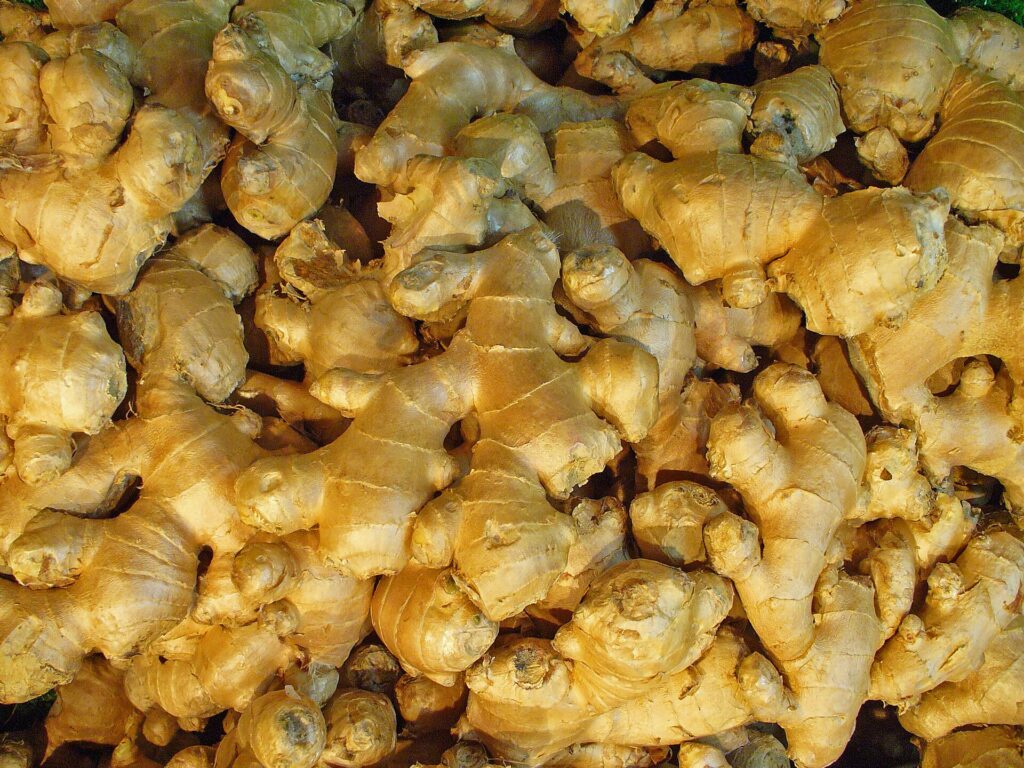
Ginger is one of the oldest nausea remedies there is, used in Chinese, Ayurvedic and European home medicine. It has also been tested in people having chemotherapy. The results are mixed: some trials found that ginger added to the usual anti-nausea medicines eased nausea, especially on the first day, while others found no extra benefit. Memorial Sloan Kettering’s About Herbs describes it as possibly helpful alongside standard anti-nausea drugs.
How people use it:
- Fresh ginger tea: a few thin slices steeped in hot water for 10 minutes
- Ginger chews or a little candied ginger
- Capsules: studies typically used about 0.5 to 1 g a day, split into doses. Amounts vary by product; follow the label and check with your doctor first.
In the US: the FDA doesn’t approve herbal products or set official doses for them, so choose a product with a USP or NSF seal and follow its label. In Canada: look for an 8-digit NPN; Health Canada’s ginger monograph sets the amounts for products sold there.
Be careful with supplement-strength ginger if you take blood thinners, have low platelets, have surgery coming up or have gallstones, and tell your team you’re using it.
Mind-body practices for stress, mood and sleep
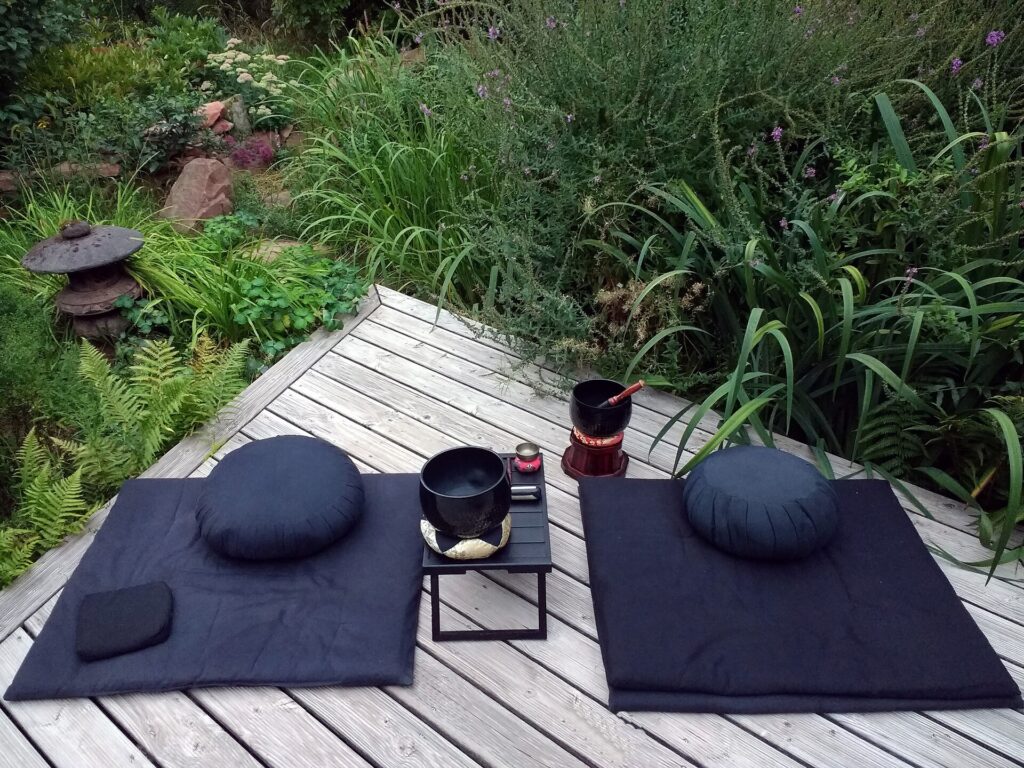
The 2023 SIO–ASCO guideline on anxiety and depression gave mindfulness-based programs its strongest recommendation, during and after treatment. Yoga, relaxation, music therapy and hypnosis were also listed for anxiety. The 2024 fatigue guideline adds mindfulness and cognitive behavioural therapy, with tai chi and qigong for people who have finished treatment.
Easy ways to start:
- A guided mindfulness or body-scan recording, 10 minutes a day
- A gentle or restorative yoga class, often free at cancer centres
- Slow breathing: in for a count of 4, out for 6, for a few minutes before bed
If low mood or worry is taking over, tell your team. In a crisis, call or text 988 (US and Canada).
Supplements: the one area to clear first
This is where “natural” needs the most care, because a few supplements can change how cancer treatment works:
- St. John’s wort lowers blood levels of several cancer drugs, including irinotecan and imatinib.
- High-dose antioxidants (such as vitamins C and E) are debated during chemo and radiation,. In a large US breast cancer trial (SWOG S0221), people who reported taking them before and during chemo had a higher risk of recurrence. It was an observational finding, but it’s why many oncologists ask people to pause them.
- Herbs and oils that affect bleeding (high-dose garlic, ginkgo, fish oil) matter around surgery and when platelets are low.
None of this means supplements are off the table for good. Timing matters, and your oncologist or pharmacist can check each one; Memorial Sloan Kettering’s free About Herbs database is a good place to read up. (We followed one herb’s research story in our frankincense post.) And if you’re curious about the contested therapies people talk about online, the Vault covers those separately; here’s what that section is and why we built it.
How to bring this up with your oncologist
Most teams would rather know. A few ways to make it easy:
- Bring a written list of everything you take, including teas, powders and tinctures.
- Lead with the symptom: “The nausea lasts three days after each round. Could acupuncture or ginger help alongside my medicine?” And ask your oncology pharmacist to check for interactions.
- Ask whether your centre has an integrative oncology program, an oncology dietitian or an exercise referral.
For free help with questions and resources: in the US, the National Cancer Institute’s Cancer Information Service at 1-800-4-CANCER (1-800-422-6237); in Canada, the Canadian Cancer Society at 1-888-939-3333.
When to call your care team right away
- A fever of 100.4°F (38°C) or higher during chemo
- Vomiting that won’t stop, or not keeping fluids down for a day
- New shortness of breath, chest pain, or a swollen, painful leg
- New bleeding or bruising, or bleeding that won’t stop
- Confusion, severe dizziness or fainting
For an emergency, call 911 (US and Canada).
Try this today
Take a 10-minute walk if you feel up to it. Then write down the one symptom bothering you most and one option from this list you’d like to ask your care team about at your next appointment.
Go deeper in the Vault
Inside the Remedies Vault, the Natural Remedy Library has a members-only entry on natural options for nausea, and the Herbal Library profiles the everyday herbs people ask about, with typical amounts and who should avoid them. Contested therapies have their own Alternative Remedies section.
Educational only, not medical advice. This information has not been evaluated by the FDA or Health Canada and is not intended to diagnose, treat, cure, or prevent any disease. Talk to your healthcare provider before starting any remedy, supplement, or detox, especially if you are pregnant, nursing, taking medication, or managing a health condition. Read our full Medical Disclaimer.