A warm cloth or a cold pack is often the first thing people reach for when something aches, and the water-cure healers of the 1800s built a whole tradition around it. Here’s how each one is used, what the research is looking at, and how to use them without a burn.
Similar Posts
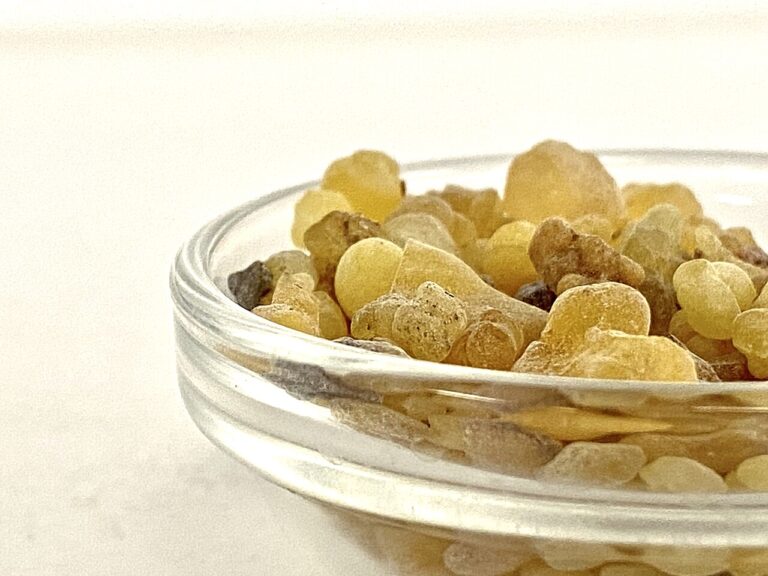
Boswellia (Frankincense)
The fragrant resin of the frankincense tree, burned in temples for thousands of years and used in Ayurveda for stiff, aching joints. Today it's one of the most-studied herbs for joint comfort.
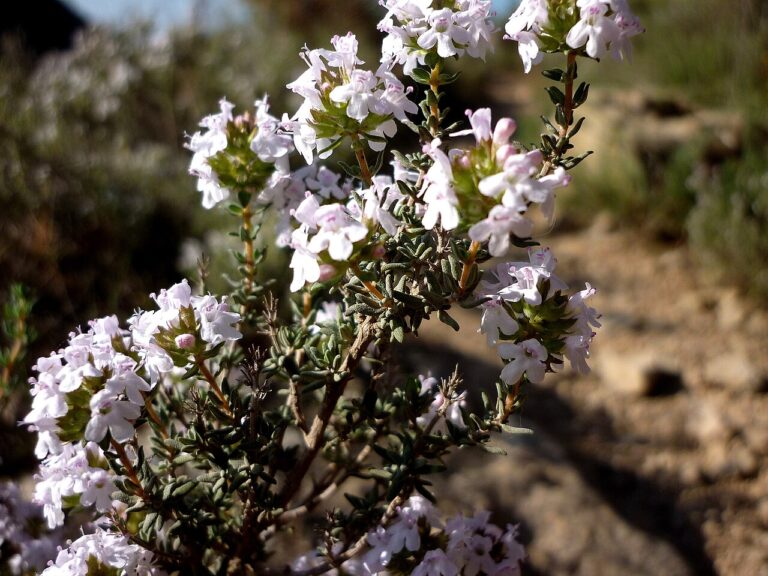
Thyme
The kitchen herb behind many old-fashioned cough syrups and mouthwashes. Thyme has been used for chesty coughs, sore throats and digestion since ancient Greece, and it's still an approved traditional cough remedy in Europe.
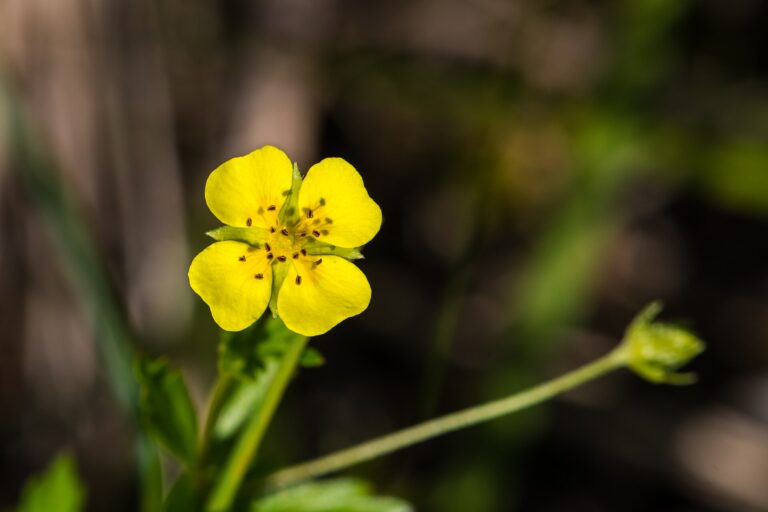
Tormentil
Tormentil is a small yellow-flowered moorland plant whose red, tannin-rich root has been a European standby for loose stools and sore mouths for centuries. Here's what tradition and the EU monograph say, and how to use it carefully.
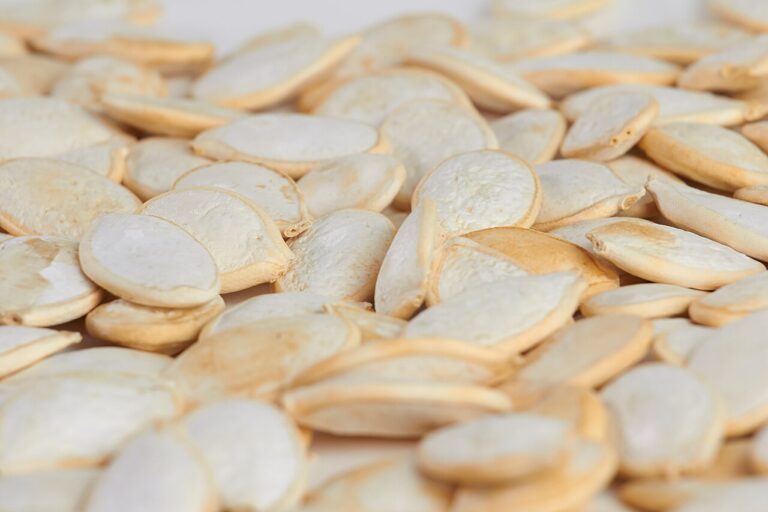
Pumpkin Seed
Pumpkin seed is one of the few everyday foods with an official European herbal monograph, for men's night-time bathroom trips and an overactive bladder. Members get the full profile: every traditional use, the large prostate trial and what it really showed, the official amounts, and who should check first.
Kitchari (Ayurvedic Cleansing Meal)
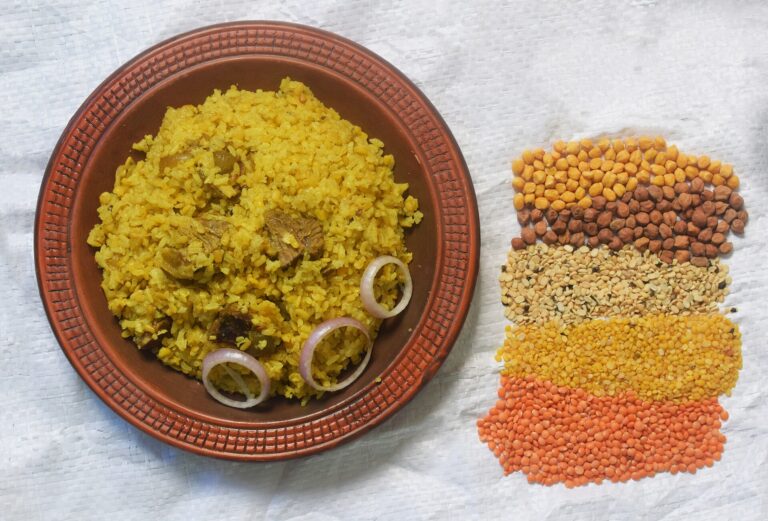
Kitchari is India's comfort food: rice and yellow mung dal simmered soft with cumin, turmeric and ginger. Ayurveda uses it as the go-to meal for a gentle cleanse or a sore stomach, and two old hospital trials in children with diarrhoea fed it alongside rehydration drinks. Here's how it's traditionally made, what it can and can't do, and who should keep a kitchari cleanse short.
Constipation: natural options
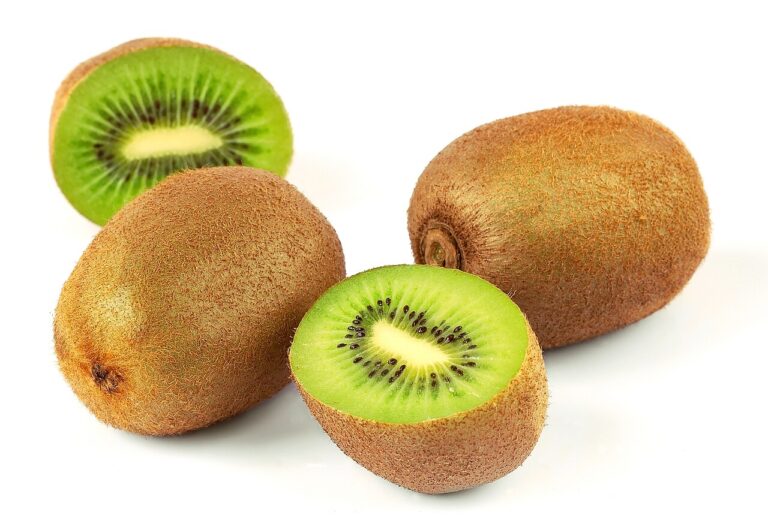
Kiwifruit, prunes, psyllium, mineral-rich water, magnesium, toilet posture and belly massage: the vault's full guide to the natural options people use for constipation, with each one labelled by how good the evidence is and the warning signs that mean see a doctor first.