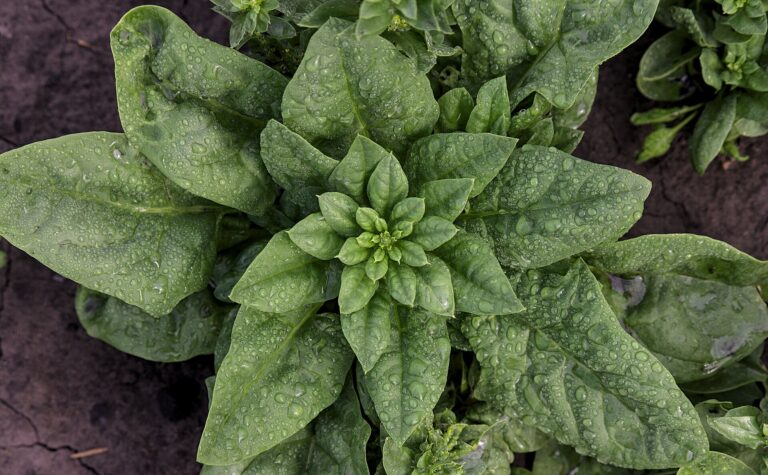
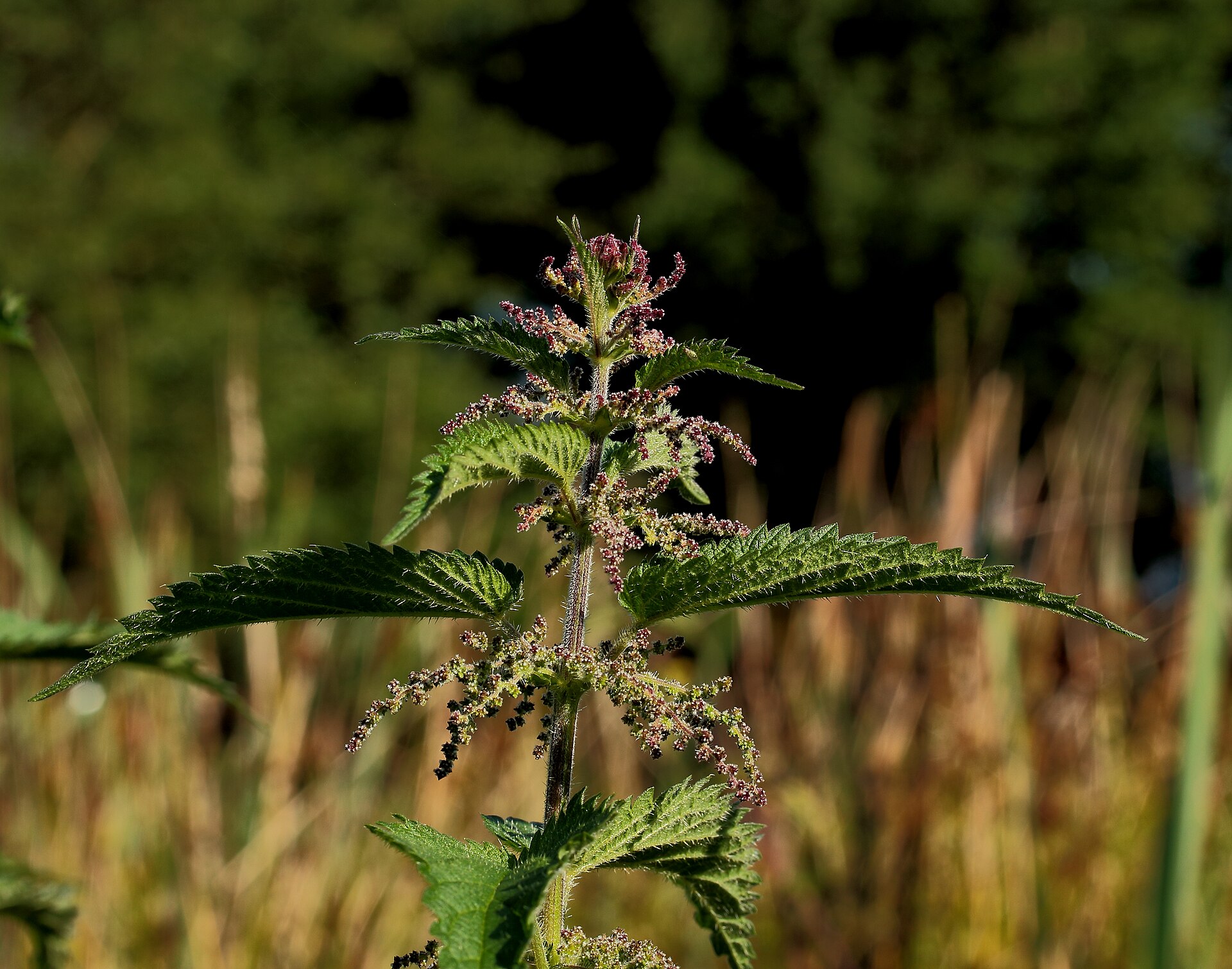
Nettle stings on the trail, but it has been a spring food, a joint remedy, a fibre plant and a “strengthening and cleansing” tea for peoples across Europe, North Africa and North America. Here’s how tradition uses the leaf and the root, what the research shows for joints, the prostate and urination, and who should skip it.
Similar Posts
Chaga Mushroom
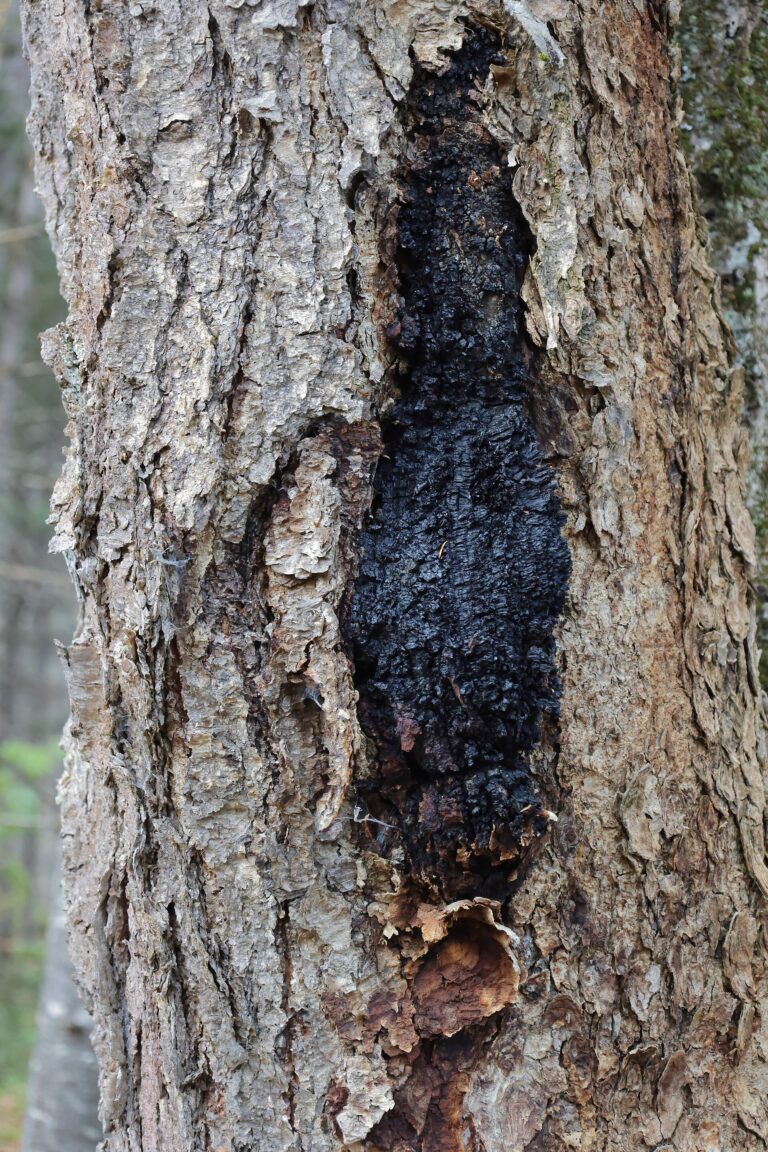
Chaga is the black, crusty "birch conk" of the northern forests, brewed for centuries into a dark, earthy tea in Siberia, Scandinavia and Indigenous North America. Here's where it comes from, what the research actually shows so far, and the kidney caution everyone should know before trying it.
Folate (Vitamin B9)
Folate is the B vitamin your body uses to build every new cell, and the one with the strongest "take it before you need it" message in all of nutrition. Here's who needs a supplement, the real story on folic acid vs. methylfolate and MTHFR, and why more isn't better.
Magnesium
In 1618 an English farmer found that cattle on Epsom Common wouldn't drink from a bitter pool. The salt left behind became one of the best-known home remedies of the next 350 years. Here's how people use magnesium today for sleep, muscles, headaches and regularity, what the studies found, and the safety limits that matter.
Colloidal Silver
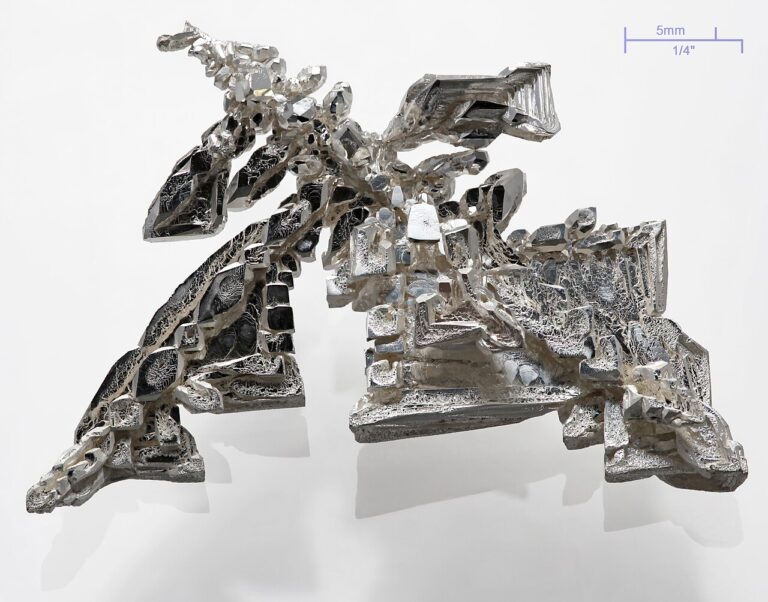
Colloidal silver is one of the most talked-about "natural antibiotics" online. Before you buy it, read why health regulators in Canada and the US warn against taking it, and what silver's real history in medicine looks like.
Mimosa Pudica Seed
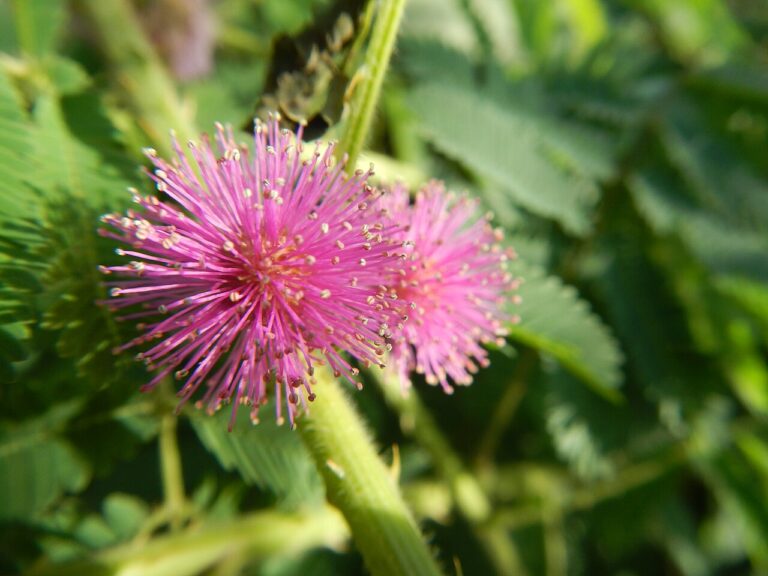
Mimosa pudica, the "sensitive plant" whose leaves fold shut when touched, has become one of the most talked-about parasite-cleanse seeds online. Members get the full entry: its Ayurvedic and folk history, what the lab studies do and don't show, what labels list, and the safety gaps to know before trying it.
Zinc
Zinc is a trace mineral your body uses in hundreds of enzymes, from immune cells to skin repair. Here's how traditional medicine and naturopaths use it, what the research shows, and why more isn't better.