
Stem cells are the body’s repair crew: unspecialized cells that can renew themselves and turn into the cells a tissue needs. As we age, they don’t disappear, but they tend to work less well. That’s one reason healing slows down. Here’s what the research actually says, and what’s within your control.
Quick take
- Stem cells don’t vanish with age, but they tend to work less well.
- Inflammation, high blood sugar, smoking and poor sleep make repair harder.
- Be wary of clinics selling unapproved stem cell injections.
What changes with age
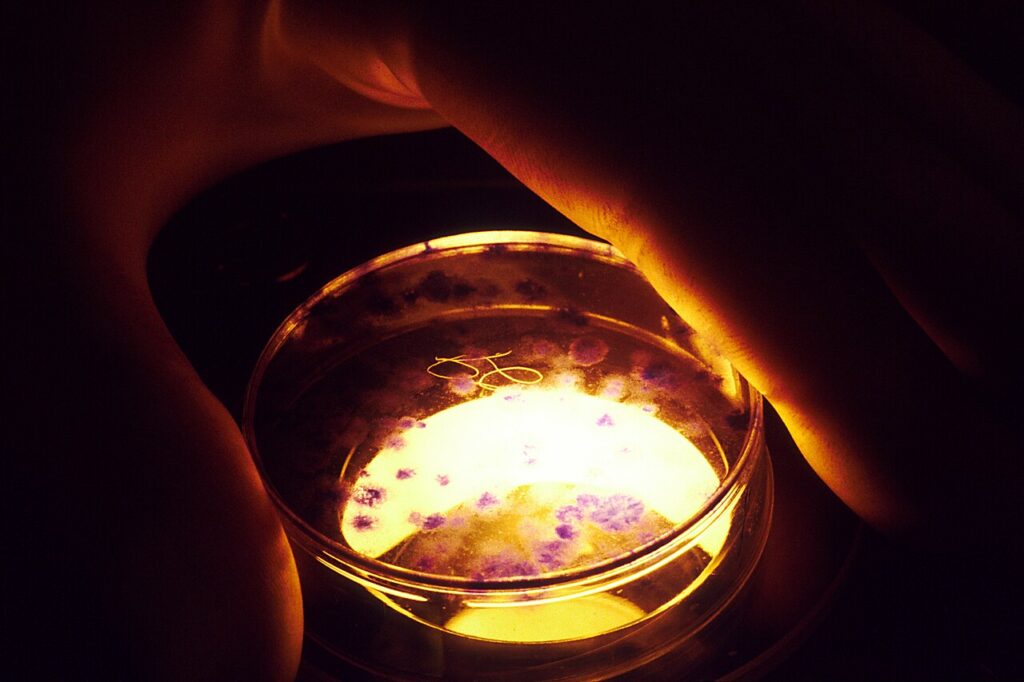
- Adult stem cells in blood, muscle, skin and gut become slower to respond and fewer of them divide when needed.
- Their surroundings matter too: long-term inflammation, high blood sugar, smoking and poor sleep all make the “neighbourhood” harder for repair.
- Researchers are still working out how much of this can be slowed. Much of the detailed work is in animals.
What’s approved, and what isn’t
Proven stem cell treatments are mostly limited to blood and bone marrow transplants for blood cancers and some other serious conditions. Health Canada and the US FDA both warn about clinics selling unapproved stem cell injections for joints, ageing and chronic disease. These can be expensive and some have caused serious harm.
Before any stem cell procedure, ask whether it’s part of an approved clinical trial or an approved treatment in Canada or the US. If it isn’t, talk to your doctor first.
The habits that help your body’s repair crew are ones you can start today.
Habits linked to healthier repair
None of these is a stem cell treatment, but they’re the best-supported ways to look after the systems that do the repairing:
- Move: regular exercise is linked in studies to more circulating repair (progenitor) cells and better blood vessel health. Aim for 150 minutes a week plus strength work.
- Sleep: 7–9 hours. A lot of repair happens overnight.
- Don’t smoke, and keep alcohol low.
- Keep blood sugar steady: vegetables, fibre, protein, fewer sweet drinks. See Blood Sugar.
- Colourful plants: berries, greens and other plant foods, plus oily fish, as part of an overall anti-inflammatory pattern. See Pain & Inflammation.
What about “stem cell” supplements?
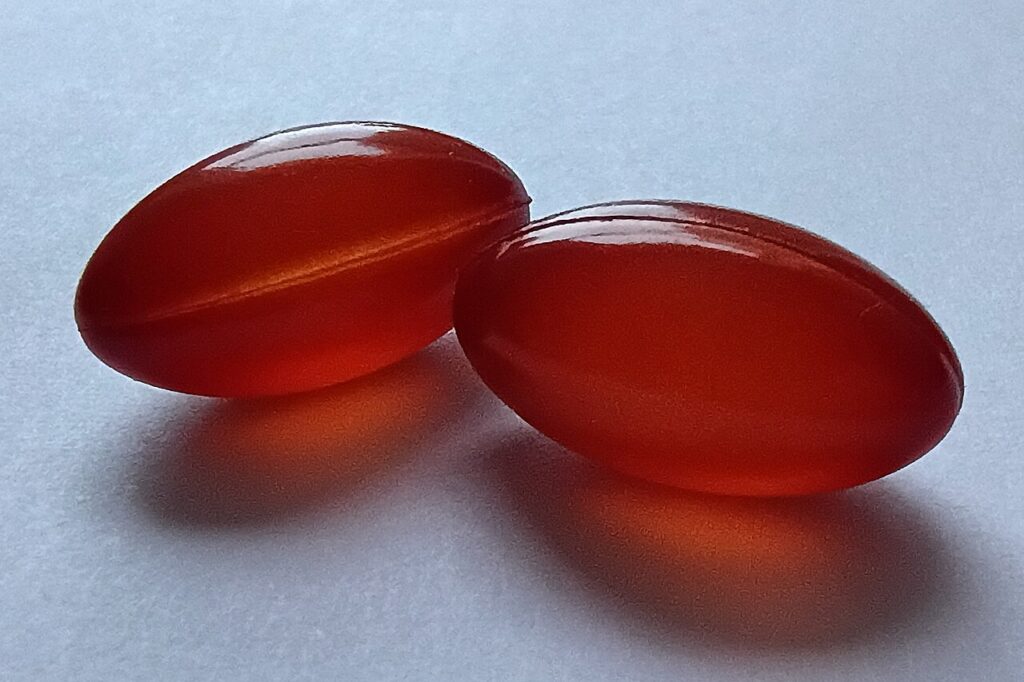
Several supplements are marketed as supporting your own stem cells, usually blends of plant extracts and algae. Human research on them is small and often funded by the makers, so we can’t say they work. If you want to try one, treat it as an experiment, check it with your pharmacist for interactions, and keep the habits above as the foundation.
One product readers ask about is a stem cell supplement, sold by an outside company.
Sponsored link. If you buy through it, Clif may earn a commission at no extra cost to you. The claims on the seller’s page are theirs, not ours, and haven’t been checked by us. It’s not a substitute for seeing your doctor.
Sources
- Health Canada: unauthorized stem cell therapies (advisory)
- US FDA: important patient and consumer information about regenerative medicine therapies
- International Society for Stem Cell Research: A closer look at stem cells
- NIH: stem cell basics
Try this today
Pick one: a 20-minute walk, an earlier bedtime, or one less sugary drink today.
Affiliate notice: this page contains affiliate links. If you buy through them we may earn a commission at no extra cost to you. How we choose products.
Educational only, not medical advice. This information has not been evaluated by the FDA or Health Canada and is not intended to diagnose, treat, cure, or prevent any disease. Talk to your healthcare provider before starting any remedy, supplement, or detox, especially if you are pregnant, nursing, taking medication, or managing a health condition. Read our full Medical Disclaimer.