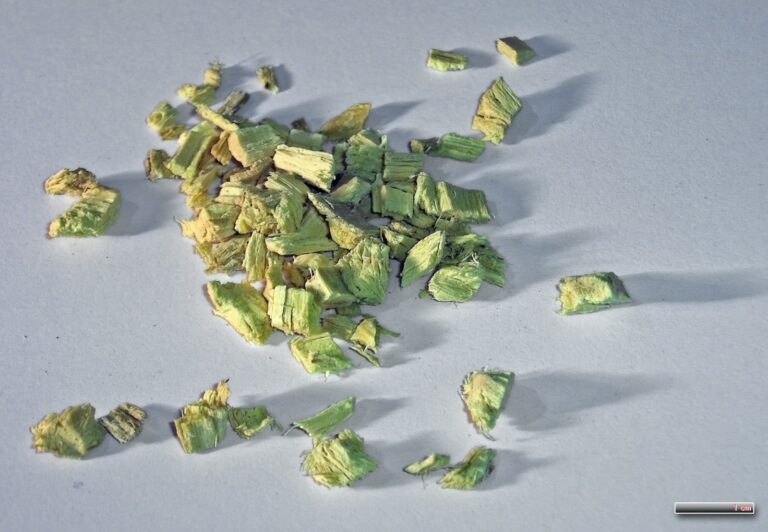
The tea plant was first grown in China thousands of years ago, and a Japanese monk wrote in 1211 that tea was a medicine for long life. Today green tea is one of the world’s most-loved daily drinks, and its leaf and extracts are some of the most-studied plant compounds there are.
Similar Posts
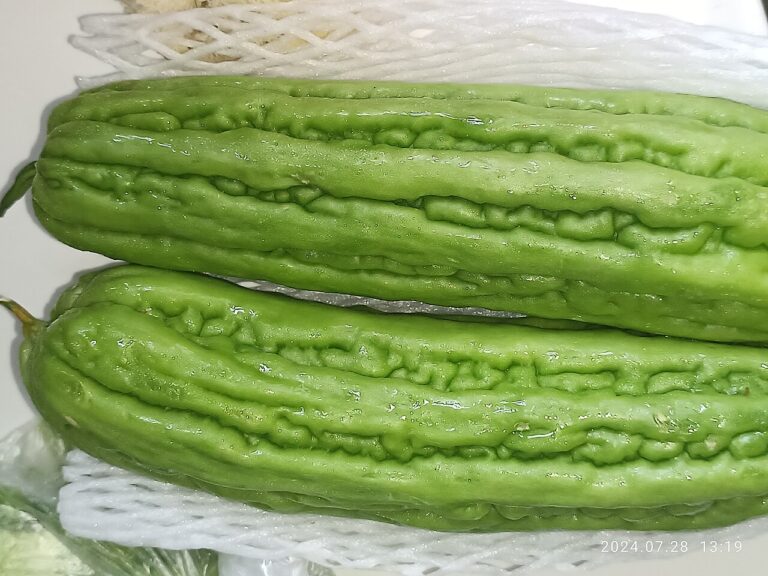
Bitter Melon
A knobbly green gourd that is everyday food from India and China to the Philippines, and the famously bitter "cerasee" bush tea of Jamaica and the Caribbean. Few plants are used in as many traditional kitchens and medicine systems at once.
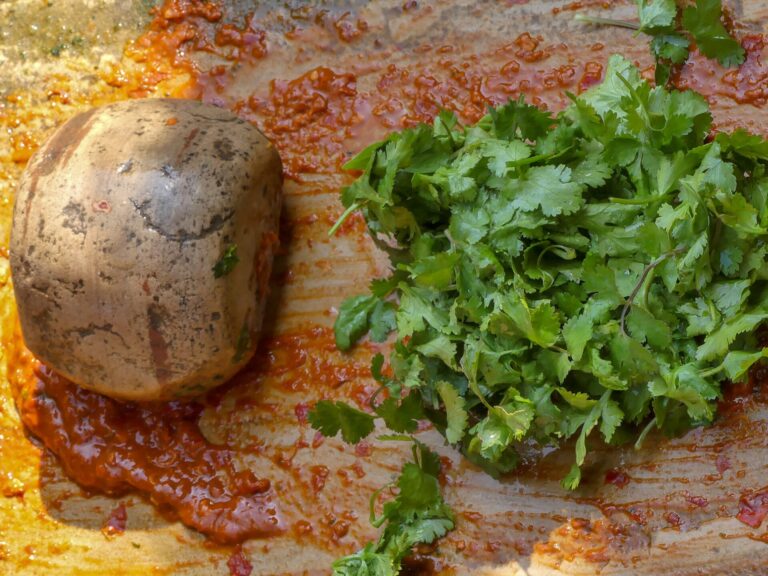
Cilantro
Cilantro is the everyday kitchen herb that became famous in detox circles as a "heavy metal" herb, usually paired with chlorella. Members can read where that idea came from, what the one small human trial actually found, and what product labels list.
Glutathione
Glutathione is the body's own main antioxidant, and detoxers take it as a supplement to back up the liver's natural clean-up work. Members get the full entry: what the small trials found about whether swallowed glutathione even gets absorbed, typical amounts, and the safety points to know first.
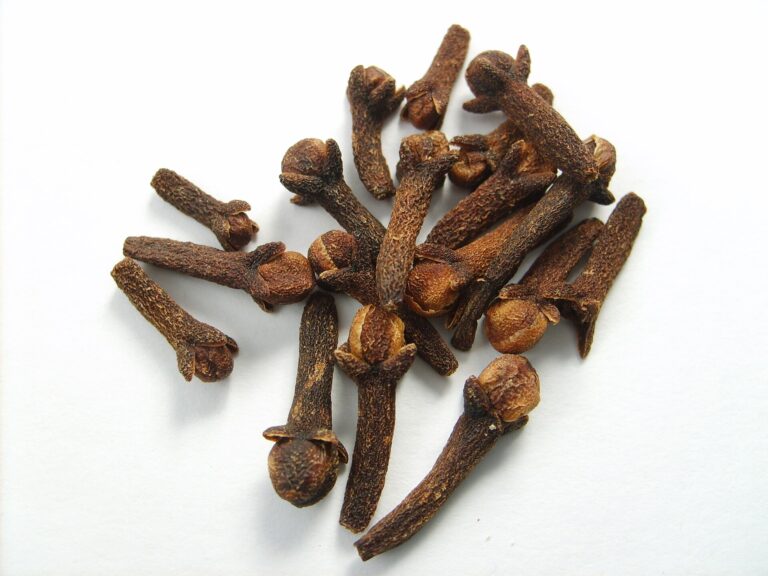
Clove
Clove is the warming kitchen spice that rounds out the classic three-herb parasite cleanse, alongside black walnut and wormwood. Members can read what the research really shows, what product labels list, and why clove oil is a very different thing from ground clove.
Sea Moss (Irish Moss)
A red seaweed from rocky North Atlantic shores that Irish families boiled into a soothing drink for coughs and colds, and that Caribbean kitchens turned into a thick, spiced milk drink for strength. Today it's a popular gel and gummy sold as a mineral-rich "superfood".
Licorice Root
One of the oldest and most widely used herbs on earth, licorice root is the sweet "harmonizer" of Chinese formulas and a soothing tonic in Ayurveda. Here's what traditions use it for, what the research shows, and why it's one herb you need to respect.