For fifty years, one number on your blood test has carried more fear than almost any other. Some researchers think it deserves every bit of it. Others aren’t so sure.
This post won’t tell you what to believe.
It’s a look at the debate itself: the questions people keep raising, the research each side points to, and what’s still unsettled. You get all the options on the table. The decision about your own body stays with you and your doctor.
One thing first: if you take a statin or any other prescribed medicine, nothing here is a reason to stop or change it. That’s a conversation for your doctor, every time.
Quick take
- Cholesterol isn’t a toxin. Your body makes most of it and needs it for cell walls, hormones, vitamin D and bile.
- Skeptics point to studies where lowering cholesterol didn’t lower deaths. Mainstream researchers point to genetic and trial evidence that lifelong high LDL matters.
- Both sides often agree that total cholesterol on its own tells you little, and that everyday habits count.
What cholesterol actually does

Cholesterol has a bad name for something your body can’t live without.
- Cell walls. Every cell membrane uses it to stay flexible and stable.
- Your brain. About a quarter of the body’s cholesterol sits in the brain and nervous system.
- Hormones. Estrogen, testosterone and cortisol are all built from it.
- Vitamin D. Your skin makes vitamin D from a cholesterol-based molecule when sunlight hits it.
- Bile. The liver turns cholesterol into bile acids, which you need to digest fat.
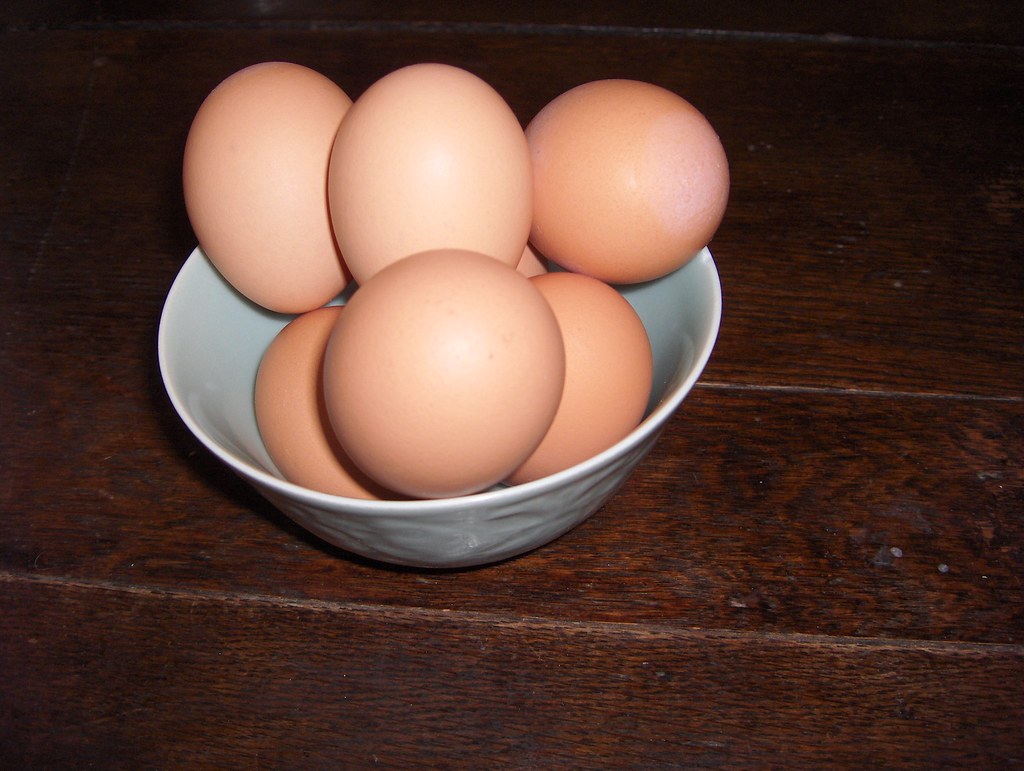
Your liver makes most of the cholesterol in your blood. For many people, cholesterol from food (eggs are the famous example) moves blood levels less than once thought. That’s one reason the old 300 mg daily limit was dropped from the US Dietary Guidelines in 2015.
A quick note on terms: LDL and HDL aren’t two kinds of cholesterol. They’re the particles that carry it around in your blood.
The skeptic’s side: the questions people raise
Here’s what people who question the cholesterol story tend to point to.
The Minnesota Coronary Experiment
A big diet trial run from 1968 to 1973 in Minnesota mental hospitals and a nursing home. One group swapped saturated fat for corn oil and a corn-oil margarine. Their cholesterol dropped.
The full results sat unpublished for decades. In 2016, a team led by Christopher Ramsden recovered the data and re-analysed it in the BMJ. Lower cholesterol didn’t come with fewer deaths. In people over 65, bigger drops in cholesterol actually went with a higher risk of dying.
Older people with higher LDL
A 2016 review in BMJ Open (Ravnskov and colleagues) pooled studies of more than 68,000 people over 60. In most of them, higher LDL wasn’t linked to more deaths. In many, it went with living longer.
How the diet-heart idea took hold
The idea that dietary fat raises cholesterol and clogs arteries owes a lot to physiologist Ancel Keys in the 1950s. Critics argue the early research leaned hard on fat while sugar got far less attention, and that policy moved faster than the evidence.
Sugar, blood sugar and inflammation
Many naturopaths look at the wider metabolic picture: refined carbs, blood sugar swings and ongoing inflammation. Some argue these matter as much as cholesterol, or more. (More on that in Blood sugar swings: the foods and herbs traditionally used to steady them, and on fats and heat in Cooking oils and heat.)
The useful question isn’t “is cholesterol good or bad?” It’s “what does my number mean, in my body?”
The mainstream side, presented fairly
Most cardiologists and heart organizations see it differently. Their reasons are worth hearing too.
Genetics
Studies using genetic data (called Mendelian randomization) compare people born with gene variants that lower or raise LDL for life. Those with lifelong lower LDL tend to have fewer heart attacks. And people with familial hypercholesterolemia, an inherited condition that causes very high LDL from birth, often get heart disease decades early.
Large drug trials
Big statin trials, pooled together, show fewer heart attacks and strokes when LDL is lowered, especially in people already at higher risk. How much someone stands to gain depends a lot on their starting risk.
Reverse causation
Illness, frailty and some cancers can push cholesterol down. So low cholesterol in older people may partly be a sign of being unwell, not a cause of dying sooner.
Questions about the skeptic studies
The BMJ Open review has been criticized for how it chose and analysed studies, including not accounting for people already on cholesterol-lowering drugs. With the Minnesota trial, some point out that many people were only in it for a short time.
Where both sides often agree: one number tells you little
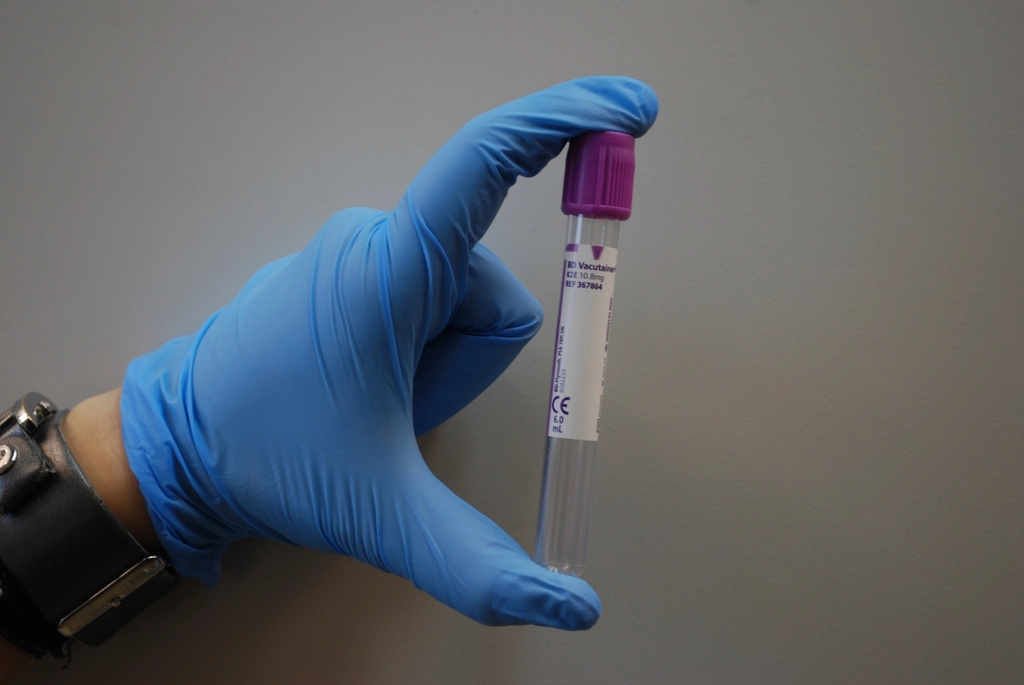
Here’s the surprising part. Plenty of people on both sides say total cholesterol alone is a blunt tool. These are the markers people often ask their doctor about:
- ApoB or LDL particle number: counts the particles, not just the cholesterol inside them.
- Lp(a): mostly set by your genes. Canadian heart guidelines suggest checking it once in a lifetime.
- Triglyceride-to-HDL ratio: often used as a rough window into blood sugar and insulin.
- hs-CRP: a blood marker of inflammation.
- Fasting glucose or HbA1c: your blood sugar picture.
- The rest of the picture: blood pressure, family history, waist size and smoking.
Some people also use home cholesterol test kits between appointments. Results vary in accuracy, so treat them as a prompt to talk with your doctor, not a diagnosis.
Everyday habits nearly everyone supports
Whatever side people land on, the daily habits look surprisingly similar.
- Whole foods first: vegetables, fruit, beans, nuts, fish and olive oil.
- Less sugar and ultra-processed food.
- More fibre: oats, beans, ground flax and psyllium. Fibre carries bile out of the body, and the liver uses cholesterol to make more. (See Binders explained.)
- Movement most days, even walking.
- Sleep and stress care.
- Not smoking.
Also available: a step-by-step cholesterol program
Some people who want a structured home plan explore this cholesterol program, a guide focused on diet and lifestyle, sold by an outside company. It may suit someone who likes following a written plan alongside their doctor’s care. Skip it if you’re looking for something to replace your medicine or your check-ups; it isn’t that.
Sponsored link. If you buy through it, Clif may earn a commission at no extra cost to you. The claims on the seller’s page are theirs, not ours, and haven’t been checked by us. It’s not a substitute for seeing your doctor.
Safety first
- Never stop or change a statin or any prescribed medicine without talking to your doctor.
- If you have familial hypercholesterolemia, a past heart attack or stroke, diabetes or kidney disease, your risk picture is different. The debate above mostly isn’t about you.
- If you get muscle pain or weakness on a cholesterol medicine, tell your doctor. Don’t just quit.
When to see a doctor
- Call 911 for chest pain or pressure, pain spreading to your arm, jaw or back, or sudden shortness of breath.
- Call 911 for face drooping, arm weakness or trouble speaking.
- You’ve never had your cholesterol checked, or it’s been several years.
- Close family members had heart disease or a stroke young, or you notice yellowish bumps on your skin, eyelids or tendons.
Try this today
Find your last blood test. Write down your LDL, HDL and triglycerides, and check whether ApoB or Lp(a) were ever tested. Add any heart disease in your family. That one page turns your next appointment into a real conversation.
Go deeper in the Vault
Members can open Cholesterol: everything in the Vault, which gathers the Cholesterol remedy guide, the Heart & Circulation protocol and the matching Detox Library entries in one place. New to the members’ side? Start at the Remedies Vault.
Educational only, not medical advice. This information has not been evaluated by the FDA or Health Canada and is not intended to diagnose, treat, cure, or prevent any disease. Talk to your healthcare provider before starting any remedy, supplement, or detox, especially if you are pregnant, nursing, taking medication, or managing a health condition. Read our full Medical Disclaimer.