Every oil breaks down when it’s heated. Past a certain point it smokes, and as it breaks down (oxidizes) it forms compounds you don’t want to eat a lot of. The good news: picking the right oil for the job, and not overheating it, takes care of most of the problem.
Quick take
- Every oil breaks down with heat, and smoke point is only part of the story.
- Olive, avocado and high-oleic sunflower oils hold up well.
- Save delicate oils like flax and walnut for cold dishes.
Smoke point isn’t the whole story
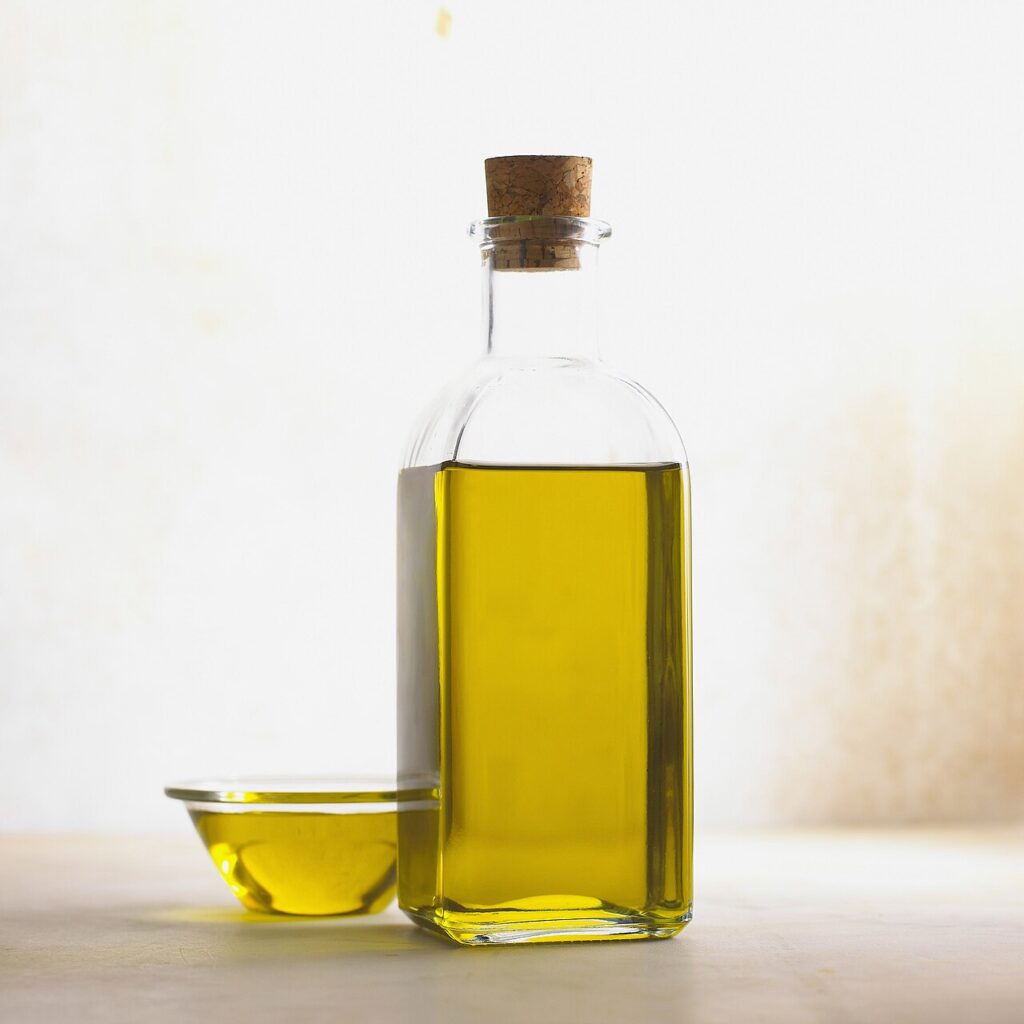
The smoke point is the temperature where an oil starts to smoke. It’s useful, but lab studies show that how stable an oil is under heat also depends on its fats and natural antioxidants. Oils high in monounsaturated fat (olive, avocado, high-oleic sunflower) hold up well. Oils high in polyunsaturated fat (flax, walnut, regular sunflower and corn) break down faster, so they’re better cold or for gentle heat.
A quick guide
| Oil | Rough smoke point | Best for |
|---|---|---|
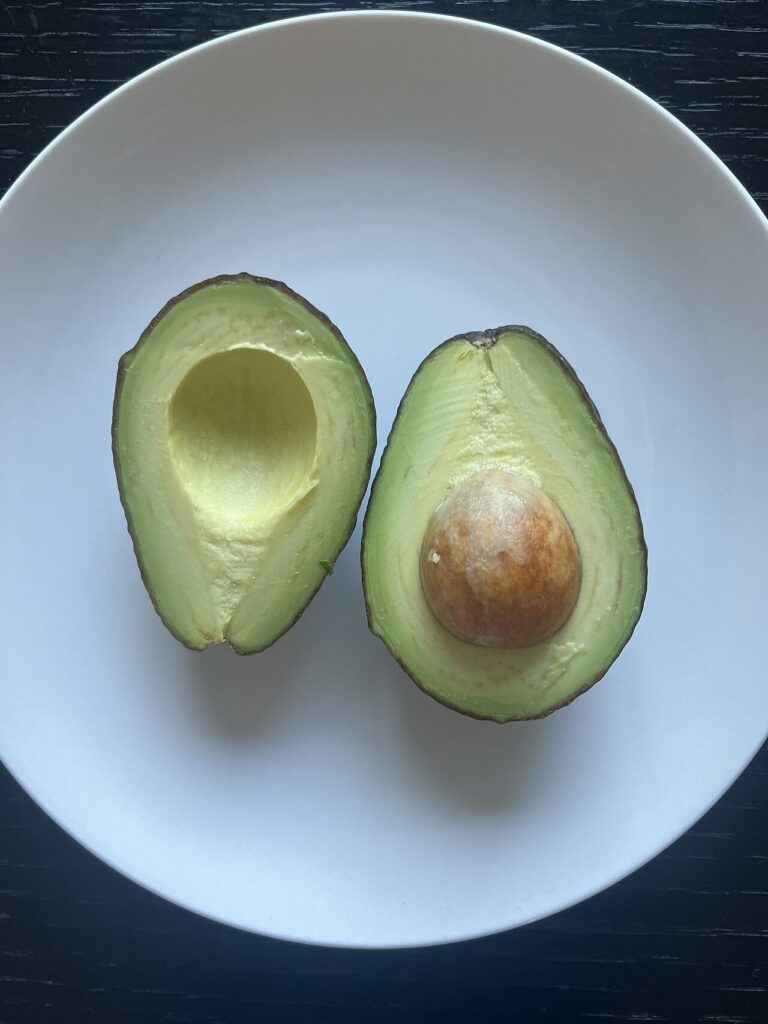
| Extra virgin olive oil | 190–210 °C (375–410 °F) | Everyday sautéing, roasting, dressings. Holds up better under heat than its smoke point suggests. |
| Avocado oil (refined) | Around 250 °C (480 °F) or more | High-heat searing, stir-frying |
| Canola or high-oleic sunflower (refined) | About 200–230 °C (400–450 °F) | Roasting, baking, stir-frying |
| Butter | About 150 °C (300 °F) | Low heat, baking, finishing |
| Ghee (clarified butter) | About 250 °C (480 °F) | Higher-heat cooking in small amounts |
| Virgin coconut oil | About 175 °C (350 °F) | Baking and medium heat, in small amounts |
| Flaxseed and walnut oil | Low | Never heat: drizzle on finished food or use in dressings |
Smoke points vary by brand, refining and freshness, so treat these as rough ranges.
Pick the right oil for the job, and don’t overheat it. That covers most of it.
Kitchen habits that matter more
- Don’t let oil smoke. If it does, wipe the pan and start again.
- Use medium heat for most cooking. Very few dishes need the pan screaming hot.
- Don’t reuse frying oil over and over; it breaks down more each time.
- Store oils away from light and heat, with the cap on. Buy bottles you’ll finish within a few months.
- Smell it: oil that smells like crayons or paint has gone rancid.
What about heart health?
Health Canada and heart organizations recommend choosing mostly unsaturated fats (olive, canola, avocado, nuts, seeds, fish) in place of saturated fats like butter, lard and coconut oil. That doesn’t mean butter is banned; it means making the unsaturated oils your everyday default.
Simple rule of thumb: extra virgin olive oil for most everyday cooking, a refined avocado or high-oleic oil for high-heat searing, butter or ghee in small amounts for flavour, and flax or walnut oil only cold.
Try this today
Next time you cook, turn the heat down a notch and stop before the pan starts to smoke.
Related
Sources
- Health Canada: Canada’s Food Guide, healthy fats
- American Heart Association: dietary fats
- Guillaume C. et al. (2018), evaluation of chemical and physical changes in cooking oils during heating, Acta Scientific Nutritional Health
Educational only, not medical advice. This information has not been evaluated by the FDA or Health Canada and is not intended to diagnose, treat, cure, or prevent any disease. Talk to your healthcare provider before starting any remedy, supplement, or detox, especially if you are pregnant, nursing, taking medication, or managing a health condition. Read our full Medical Disclaimer.