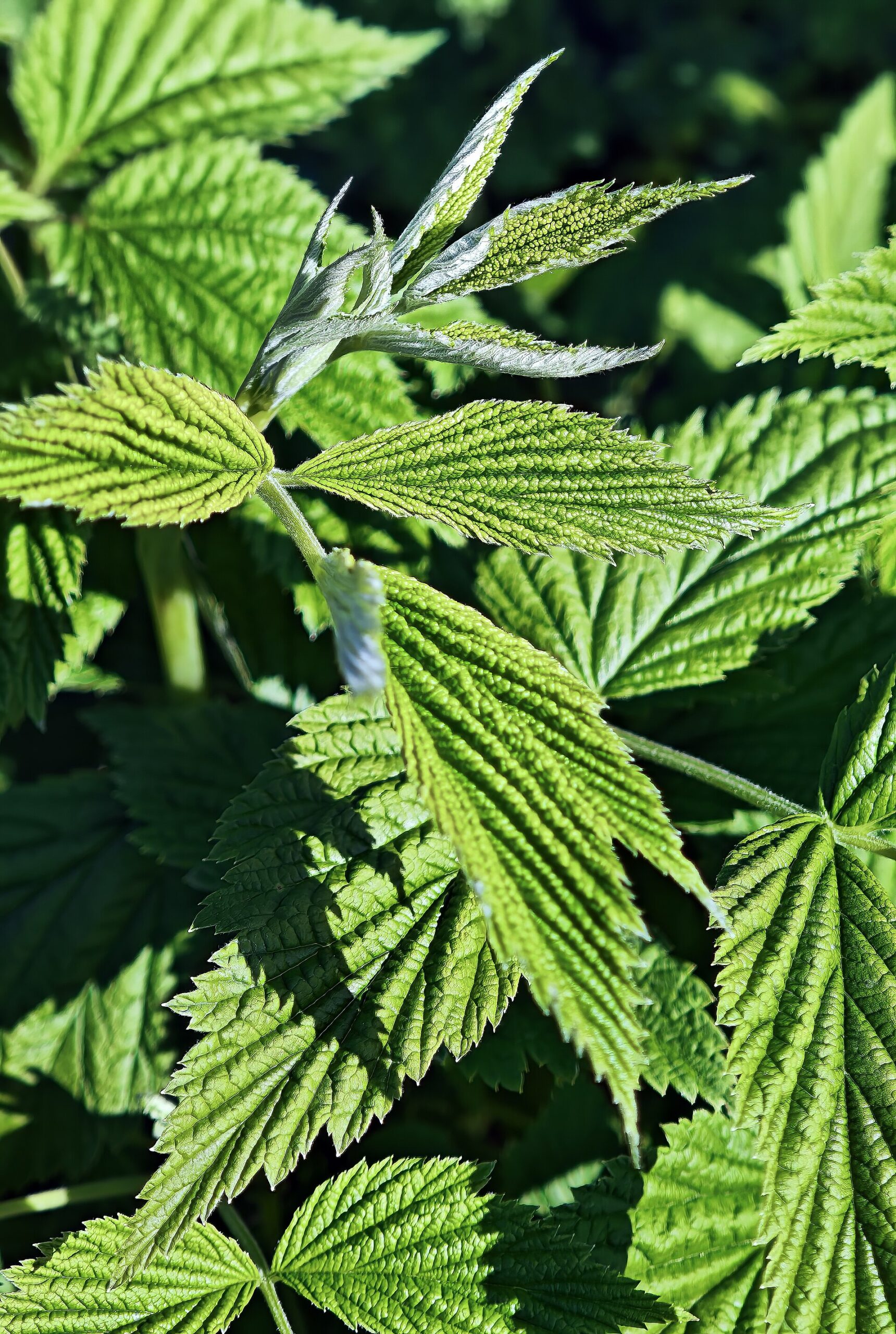
Raspberry leaf is one of the best-known “women’s teas”, a mild, slightly drying leaf that midwives and herbalists have handed down for generations. It is also a European-approved traditional tea for period cramps, mild tummy upsets and as a mouth and throat gargle.
Similar Posts
Psyllium (Isabgol)
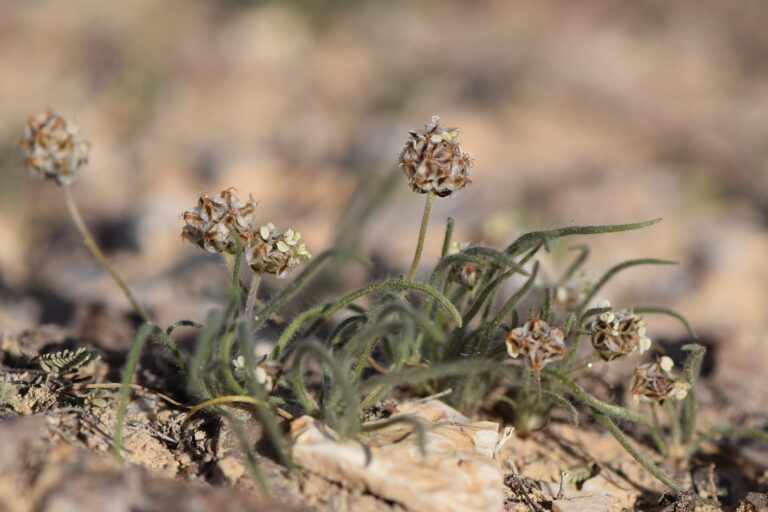
Psyllium, known in India as isabgol, is the plant fibre behind many everyday fibre supplements, and it has some of the strongest research of any herb in the vault. Here's how traditions use it, what the newest guidelines say, and how to take it safely.
Garlic
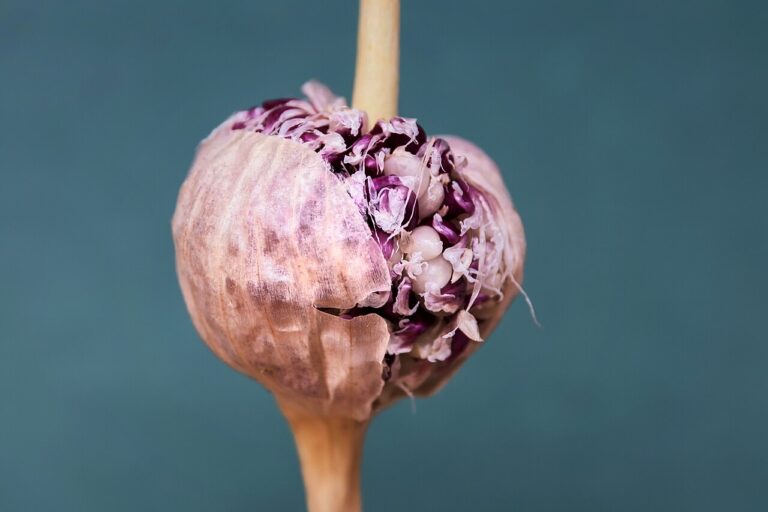
Garlic fed the pyramid builders, went into Hippocrates' remedies and is still one of the most used herbs in Ayurveda and Chinese medicine. Here's how each tradition uses it, what the bigger modern studies found for blood pressure, cholesterol and colds, and the medicine interactions that come with the supplements.
Gotu Kola
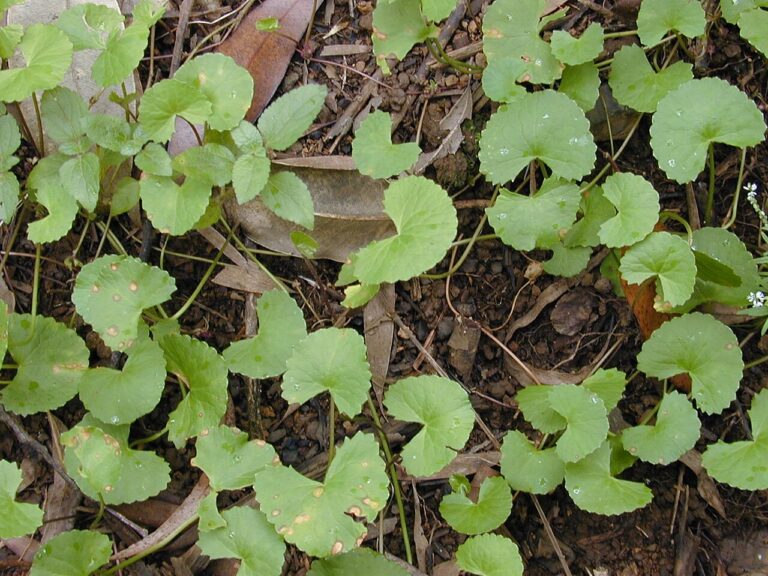
A small creeping plant from the carrot family, prized in Ayurveda as a "medhya rasayana", a tonic for the mind, and across Asia for skin, wounds and longevity. Sri Lankan tradition held that eating the leaves helped people live longer.
Goldenseal
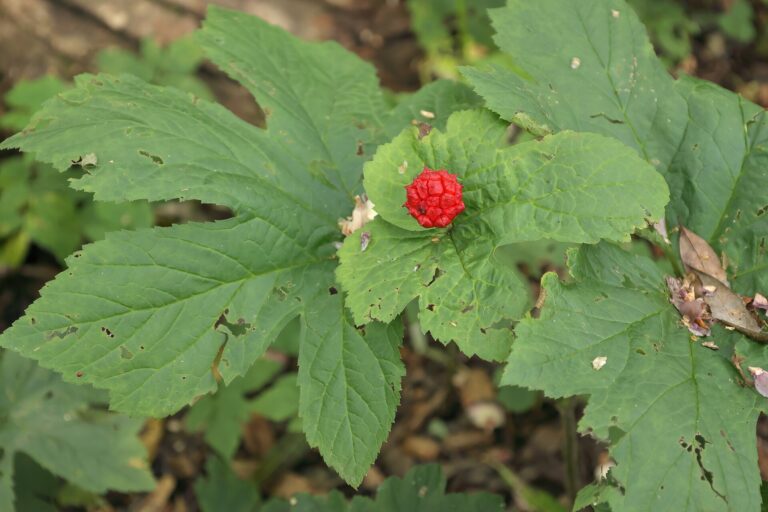
A small woodland plant of eastern North America with a bright-yellow root, used by Cherokee, Iroquois and other Indigenous nations for sore eyes, wounds and as a yellow dye. It became one of the best-known remedies of 19th-century herbal medicine, and is now so heavily harvested that it's a protected, at-risk species, so where it comes from matters.
Dill
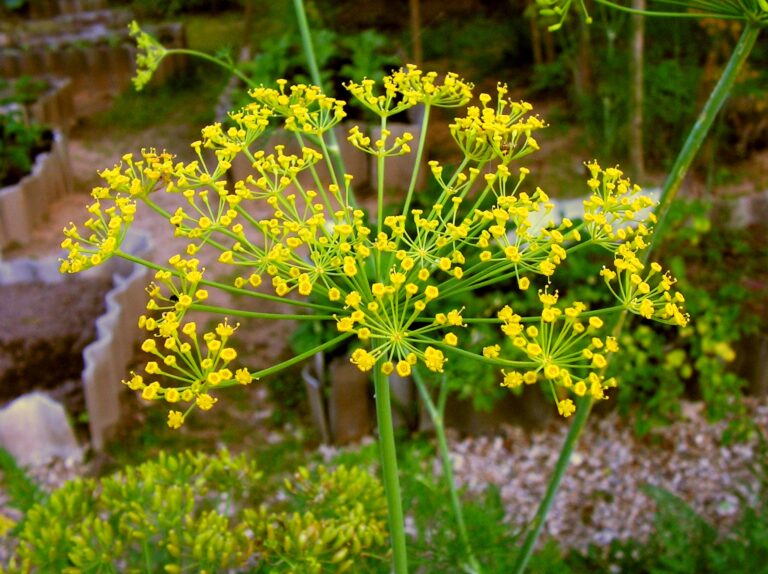
The feathery pickle herb is also one of the oldest "wind" seeds, brewed after meals, taken in Ayurveda for digestion and breast milk, and used as the original base of gripe water. Members can see what traditions use it for, what small studies show, and who should keep to kitchen amounts.
Calamus / Vacha (Safety Profile)
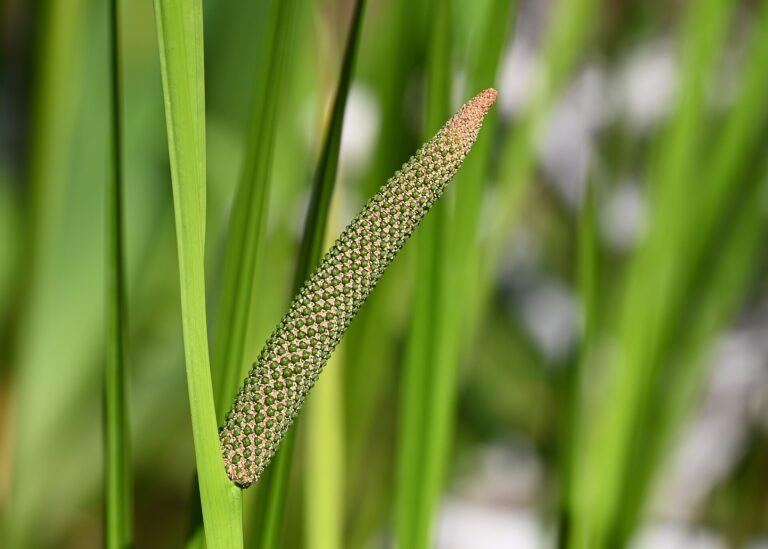
Sweet flag is an aromatic marsh plant with a long history in Ayurveda, Chinese medicine and Indigenous North American medicine. It's also one of the few herbs banned from food in the US, because its oil contains beta-asarone, which caused cancer in rodent studies.