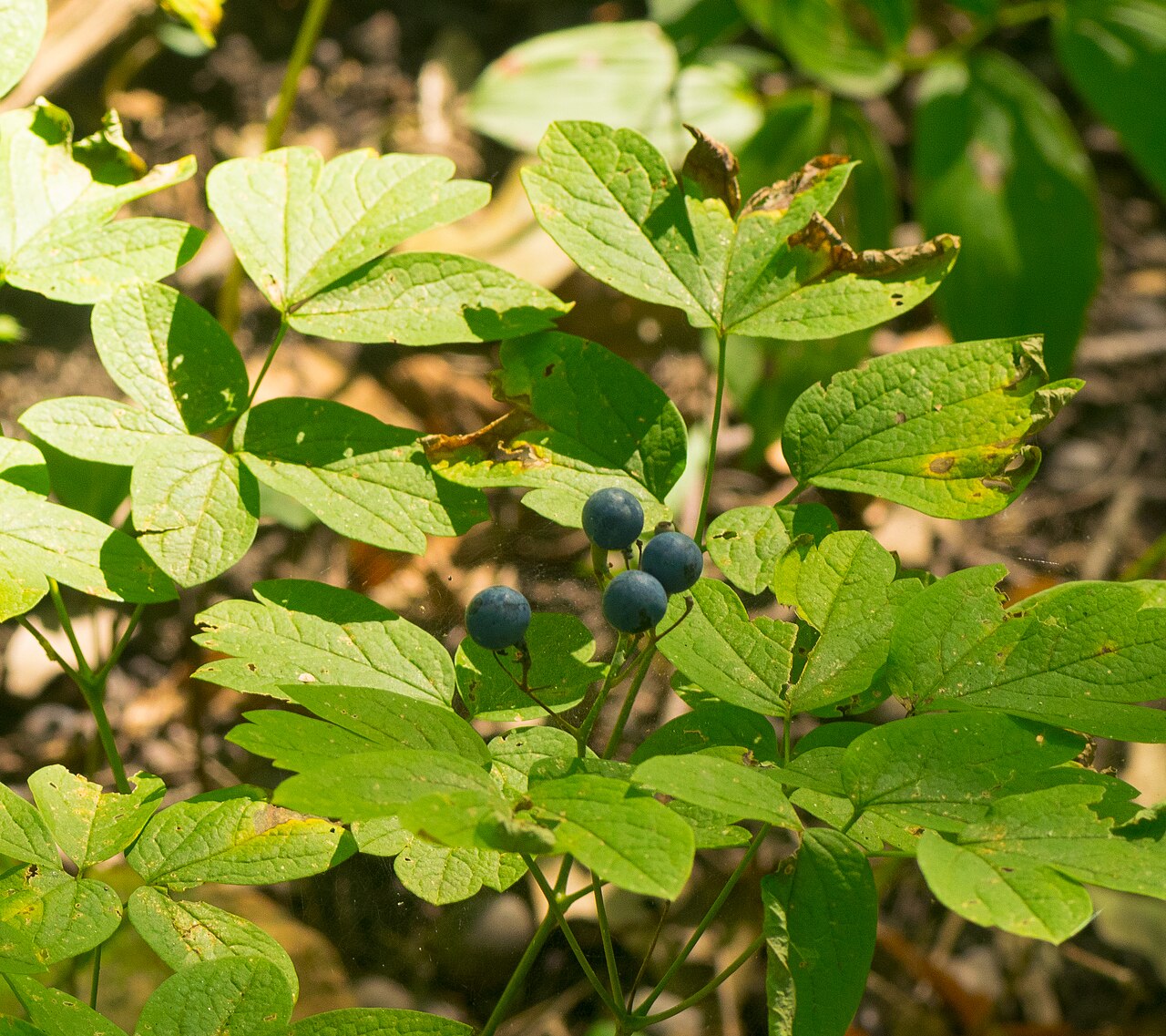
A North American root once used to bring on labour, now linked to serious heart problems in newborns. Here’s its history and why it’s on our caution list.
Similar Posts
Shilajit
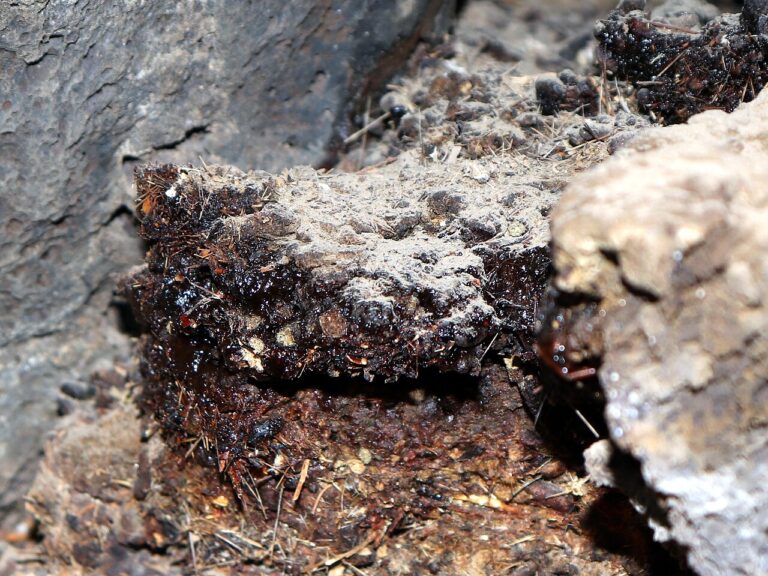
A dark mountain resin that Ayurveda has treated as a prized rejuvenating tonic for centuries, now sold worldwide for energy and men's vitality, and one of the supplements most likely to be contaminated.
Mustard Seed
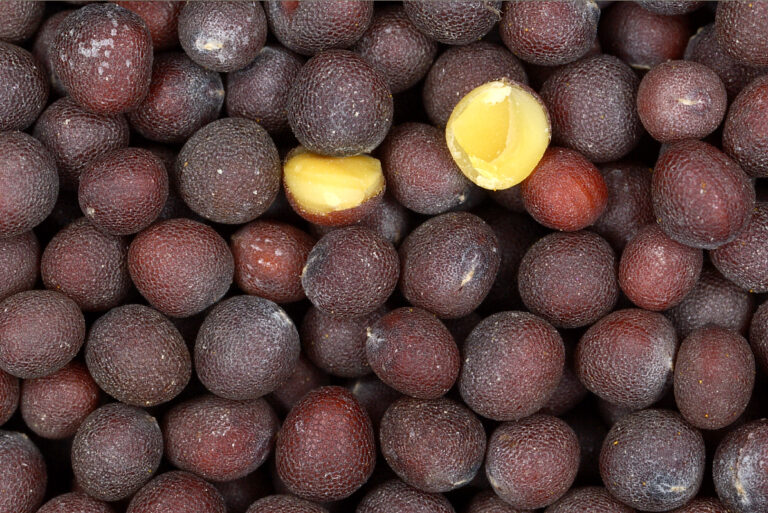
The seed in your mustard jar was once the go-to chest plaster and digestive spice. Here's how it was used, what the research says, and why mustard plasters can burn.
Red Clover
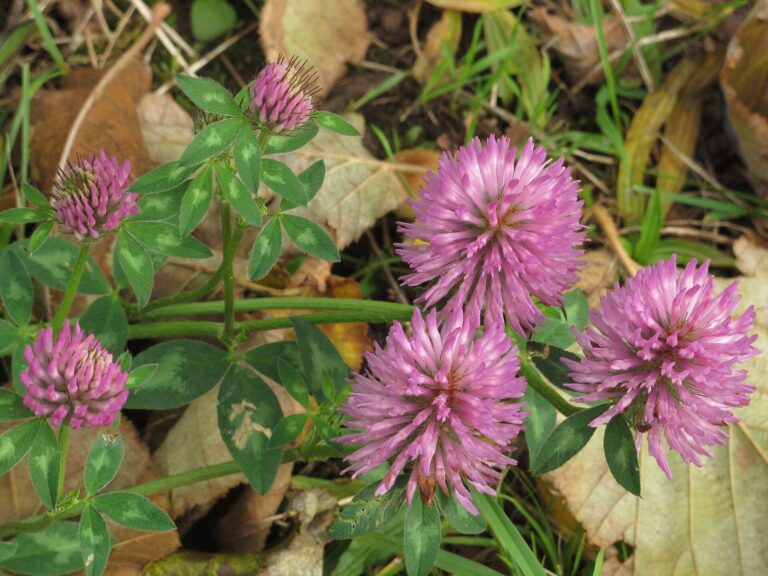
A pink meadow flower that herbalists have long counted among the classic "blood purifier" herbs, often sipped as a gentle tea. Members can see how people use it, what the research does and doesn't show, and why it isn't for everyone.
Slippery Elm
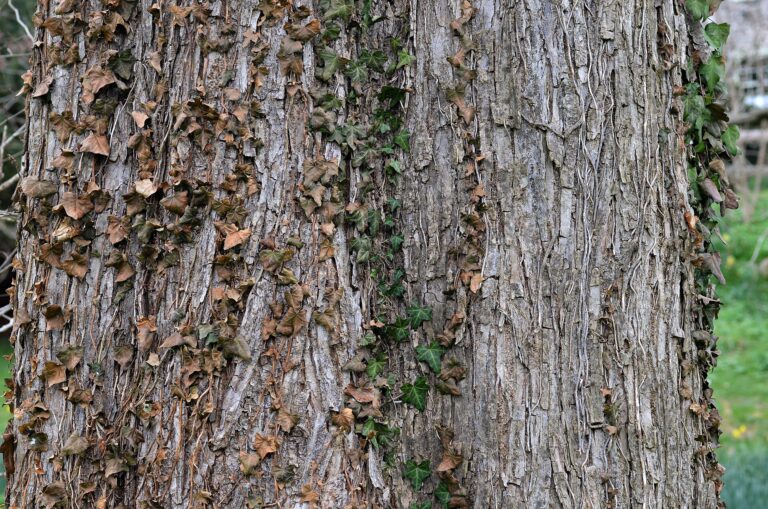
Slippery elm is a North American tree bark that turns silky and gel-like in water, and it's a favourite gentle "soother" in gut-focused routines. Members can read its long history, what the (thin) research shows, and the timing and safety points to know first.
NAC (N-Acetylcysteine)
NAC (N-acetylcysteine) is a form of the amino acid cysteine that the body uses to make glutathione, its main built-in antioxidant. Members get the full entry: where the research is strong (and where it isn't), typical amounts, and the drug interactions every NAC user should know.
Ginkgo
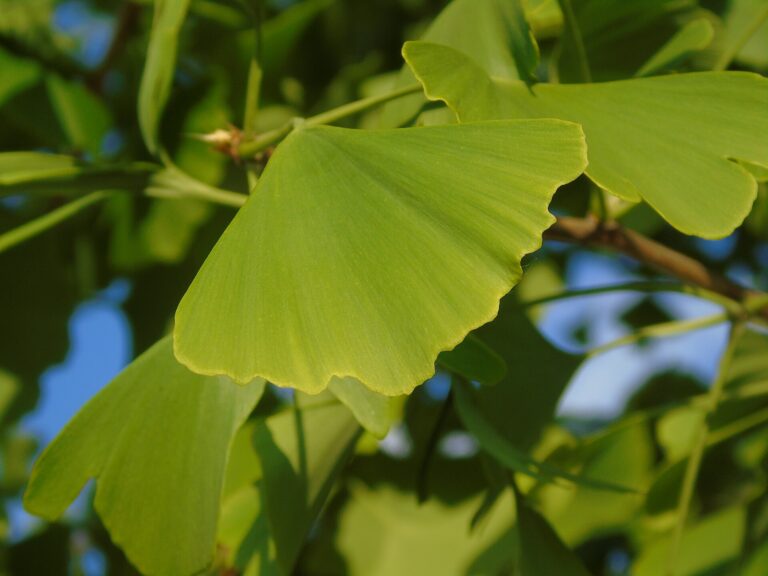
One of the oldest tree species on earth, long planted beside Buddhist temples in China and now grown on city streets across Canada. Its fan-shaped leaves became one of Europe's best-known herbal medicines for memory and circulation.