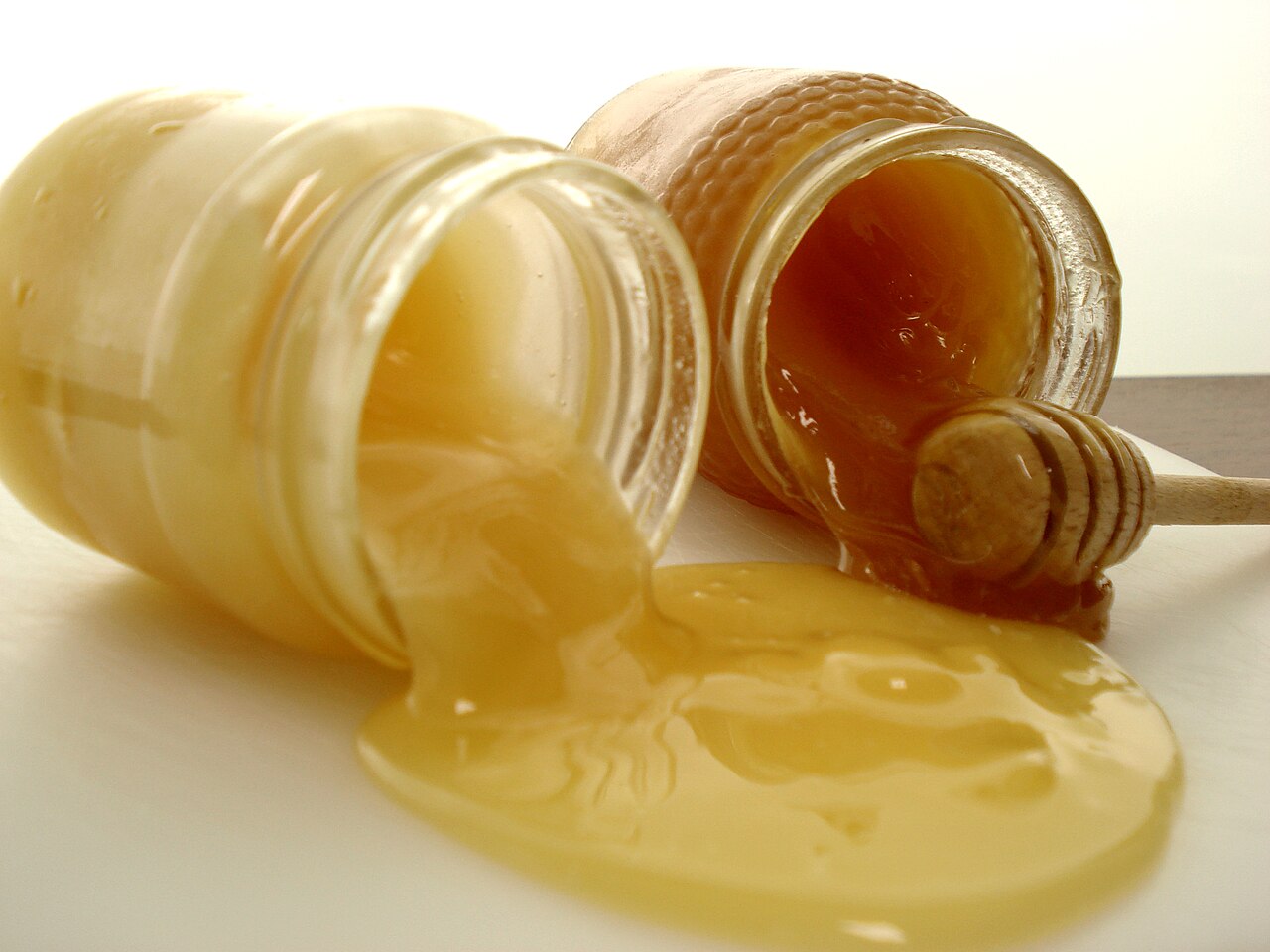
Thin ginger slices packed into raw honey and left in a jar: one of the oldest kitchen remedies there is, and one of the few with real research behind it. Members get the method, the honest story on honey and coughs, and the two kitchen rules that keep the jar good.
Similar Posts
Tamarind water
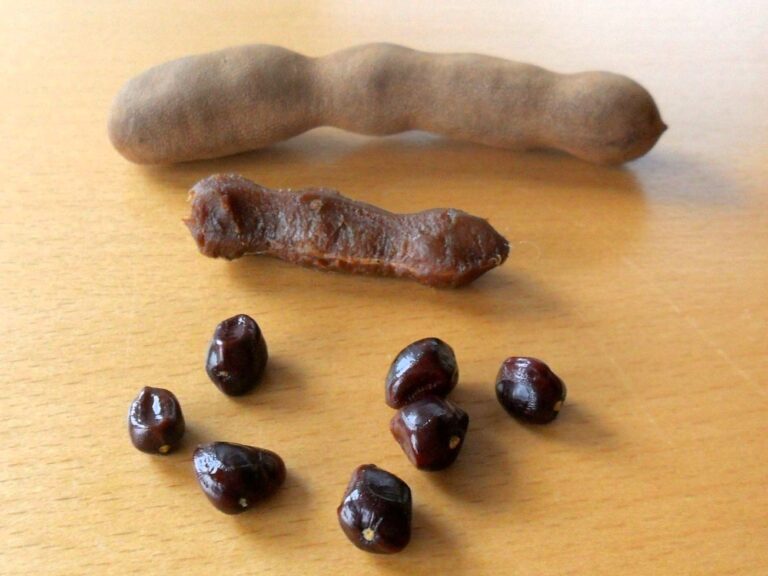
Tamarind water is the sour, dark, faintly sweet drink made by softening tamarind pulp in warm water and straining it. Kitchens across India, Southeast Asia, Africa and the Caribbean have reached for it after rich food for centuries. Members get the method, what people make it for, what tradition and early research say, and how to keep it kind to your teeth.
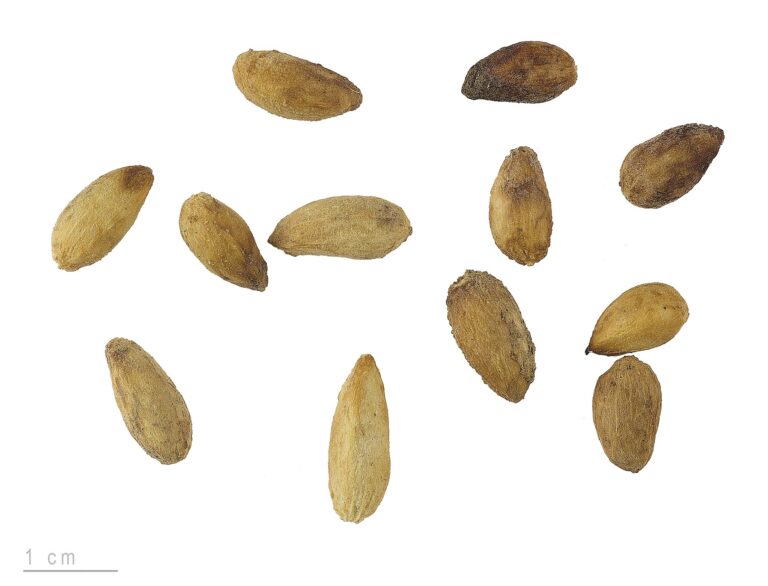
Pumpkin Seeds
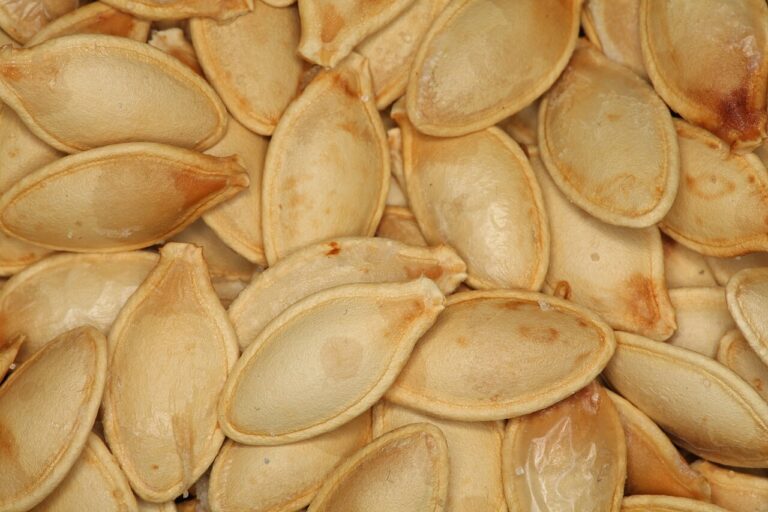
Pumpkin seeds were an official worm remedy in US pharmacy books for over 70 years, and today they're one of the most-shared "parasite cleanse" foods online. Members get the full entry: where the tradition comes from, the one human tapeworm study (and why it can't be copied at home), typical food amounts, and who should be careful.
Parsley (Herbal Profile)
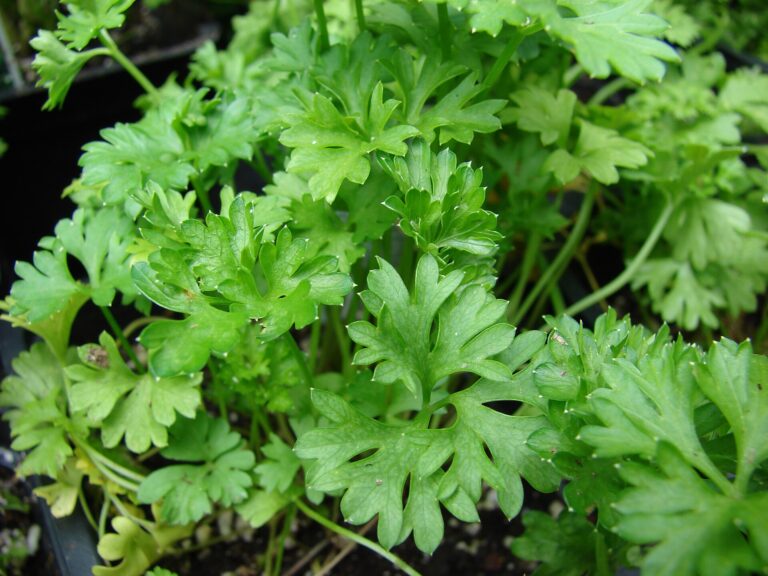
The garnish on your plate has a long history as a kitchen herb for the bladder and the belly. This profile covers how traditions used the leaf, root and seed, why the evidence is thin, and why the seed and its oil are a different matter from the leaf.
Elderberry (Sambucus nigra)
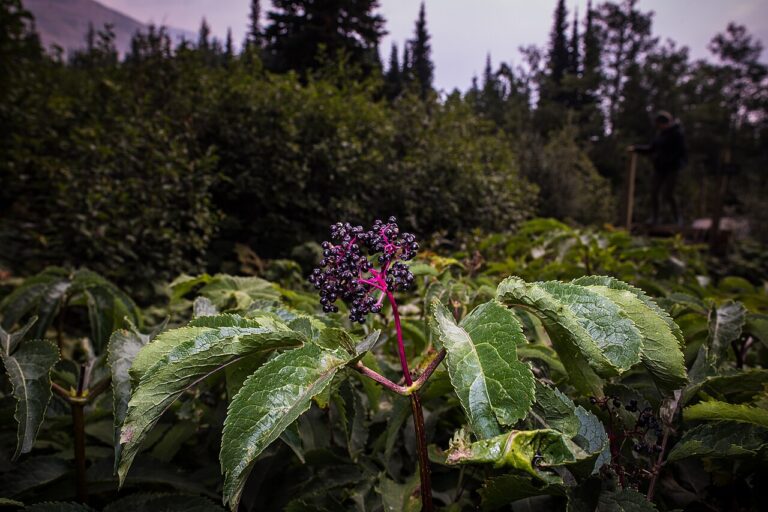
A dark purple berry that European households have cooked into syrups for generations at the first sign of a cold. Today it's one of the most popular herbal supports for the cold and flu season.
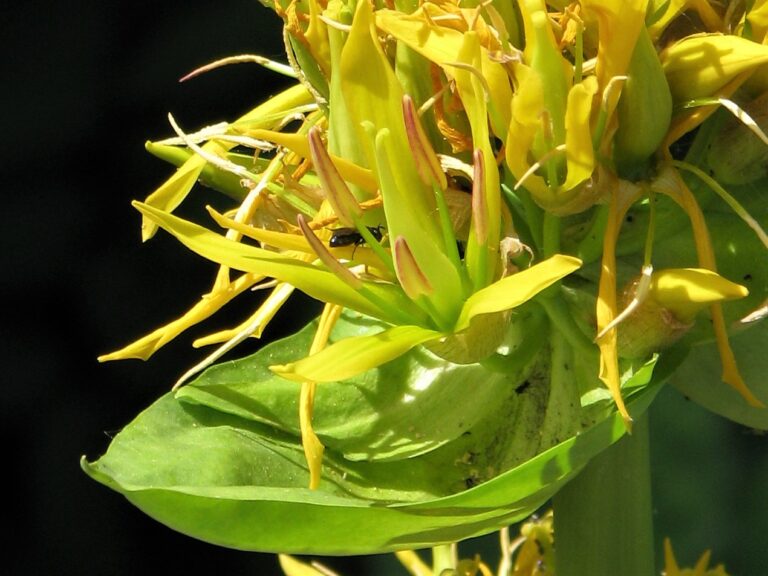
Bitters (Gentian and Swedish Bitters)
Gentian root and Swedish bitters are sipped before meals in European tradition to wake up appetite, digestion and bile flow. Here's the history, what the research does and doesn't show, the EU amounts, and why most Swedish bitters are short-term only.
Neem
Neem is a bitter Indian tree that Ayurveda has used for centuries, and it turns up in many parasite and candida cleanses today. Members get the full entry: what the lab and small human studies show, how people take the leaf, and why neem oil should never be swallowed.