High blood pressure (hypertension) means the force of blood against your artery walls stays too high. It usually has no symptoms, which is why regular checks matter. Over time it strains the heart, blood vessels, kidneys and eyes. Daily habits have a strong effect on blood pressure, and many people also need medication. This page covers the everyday steps with the best support, the remedies people traditionally use, and when to get help.
Get medical help first if…
- your reading is 180/120 or higher and you have chest pain, shortness of breath, back pain, numbness or weakness, vision changes or trouble speaking. Call 911.
- your reading is 180/120 or higher with no symptoms: rest 5 minutes and check again. If it’s still that high, contact your doctor right away.
- you notice face drooping, arm weakness or trouble speaking (signs of a stroke). Call 911.
- you’re pregnant or recently gave birth and have a bad headache, vision changes or sudden swelling. Get urgent care.
- your home readings are often 130/80 or higher. Book a visit to talk it over.
Everyday steps with the best support
- Measure at home the right way: sit quietly for 5 minutes, back supported, feet flat, arm resting at heart level, with a validated upper-arm cuff. Keep a log to show your doctor.
- Cut back on salt. Most sodium comes from packaged, restaurant and processed foods, not the salt shaker. Reading labels helps.
- Eat the DASH way: plenty of vegetables, fruit, beans, whole grains, nuts and low-fat dairy, with less red and processed meat and fewer sweets.
- Get potassium from food (leafy greens, beans, potatoes, bananas), unless you have kidney disease or take a medicine that raises potassium. Ask your doctor if unsure.
- Move most days: about 150 minutes a week of brisk walking or similar.
- Keep alcohol low, don’t smoke, and work toward a healthy weight.
- Sleep and stress count too. Loud snoring with daytime sleepiness can be sleep apnea, which raises blood pressure; it’s worth getting checked.
Remedies people traditionally use
These have a long history of traditional use. Research on them is limited or mixed, so think of them as extras alongside the everyday steps and your doctor’s advice, not replacements.
- Hibiscus tea: a traditional drink in many parts of the world; small studies suggest a modest effect on blood pressure. It may add to the effect of blood pressure medicines.
- Garlic: some studies show a small drop in blood pressure. It can thin the blood, so check first if you take a blood thinner.
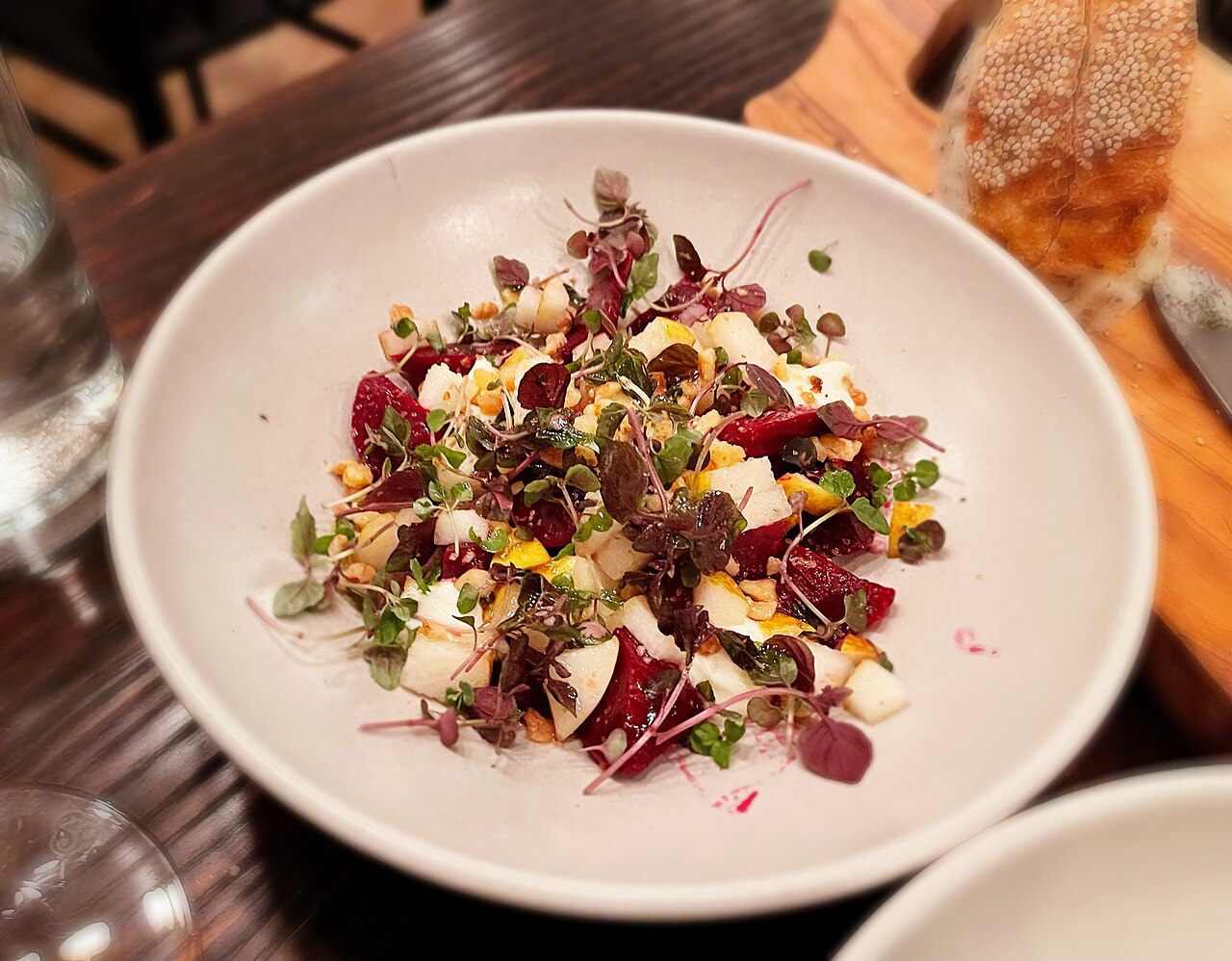
- Beetroot: beets and beet juice are rich in natural nitrates, which the body turns into a compound that relaxes blood vessels. Studies are small and short.
- Magnesium-rich foods: pumpkin seeds, almonds, spinach, beans and whole grains. Check with your doctor before taking magnesium supplements, especially with kidney problems.
- Hawthorn: a traditional heart herb in European herbalism. It can interact with heart and blood pressure medicines (including digoxin), so only use it with your doctor’s OK.
Worth knowing: real licorice root (not DGL) can raise blood pressure. So can decongestants and anti-inflammatory painkillers like ibuprofen. Never stop or change a blood pressure medicine on your own; herbs that lower blood pressure can add to your medicine and make you dizzy.
Check with your doctor or pharmacist before starting anything new, especially if you’re pregnant, nursing, on medication or managing a health condition.
A third-party guide (affiliate)
Some readers ask for a step-by-step home program. This one is sold by an outside company.
Sponsored link. If you buy through it, Clif may earn a commission at no extra cost to you. The claims on the seller’s page are theirs, not ours, and haven’t been checked by us. It’s not a substitute for seeing your doctor.
Beetroot (affiliate)
Beets are naturally rich in nitrates, which the body turns into nitric oxide, and small studies of beetroot juice show modest drops in blood pressure. Whole beets and beet juice are the simplest way to try it. If you prefer capsules, one is sold by an outside company. Beets can turn urine pink, which is harmless. If you have kidney stones or take blood pressure medicine, check with your doctor or pharmacist first, and never swap a prescribed medicine for a supplement.
Sponsored link. If you buy through it, Clif may earn a commission at no extra cost to you. The claims on the seller’s page are theirs, not ours, and haven’t been checked by us. It’s not a substitute for seeing your doctor.
Related
- Cholesterol
- Heart & Circulation detox overview
- The Structured Detox Method: start with the everyday basics first
- Back to the Remedy Library
Sources
- NHLBI: High Blood Pressure
- NHLBI: DASH Eating Plan
- American Heart Association: Hypertensive crisis
- NCCIH: Hawthorn
Affiliate notice: this page contains affiliate links. If you buy through them we may earn a commission at no extra cost to you. How we choose products.
Educational only, not medical advice. This information has not been evaluated by the FDA or Health Canada and is not intended to diagnose, treat, cure, or prevent any disease. Talk to your healthcare provider before starting any remedy, supplement, or detox, especially if you are pregnant, nursing, taking medication, or managing a health condition. Read our full Medical Disclaimer.