Your liver filters your blood, stores energy and helps process medicines, alcohol and waste. The most common liver problem today is fatty liver, where extra fat builds up in liver cells, usually without symptoms. Fatty liver linked to weight and blood sugar is now called MASLD (you may also see its older name, NAFLD). It’s often found on a routine blood test or scan. The steps below have good support for protecting your liver. This page also covers traditional remedies, with some important safety notes, and when to get checked.
Get medical help first if…
- your skin or the whites of your eyes turn yellow, or you have dark urine or pale stools
- you vomit blood, have black tarry stools, or become confused or very drowsy. Call 911.
- your belly or legs are swelling, or you bruise or bleed easily
- you have strong pain in the upper right belly, especially with fever
- you drink alcohol most days and find it hard to cut back. Your doctor can help, confidentially.
Everyday steps with the best support
- If you carry extra weight, losing 7–10% of your body weight gradually is one of the best-supported ways to reduce liver fat. Crash diets can make things worse.
- Keep alcohol low, or avoid it if you’ve been told you have liver disease.
- Cut back on sugary drinks and sweets. Extra sugar, especially fructose, is turned into fat in the liver.
- Eat Mediterranean-style: vegetables, beans, whole grains, fish, olive oil and nuts.
- Move most days, about 150 minutes a week. Activity lowers liver fat even before the scale moves.
- Be careful with medicines: stay within the daily limit for acetaminophen (Tylenol), especially if you drink alcohol.
- Ask about hepatitis testing and vaccines (hepatitis A and B) at your next check-up.
Remedies people traditionally use
These have a long history of traditional use. Research on them is limited or mixed, so think of them as extras alongside the everyday steps and your doctor’s advice, not replacements.
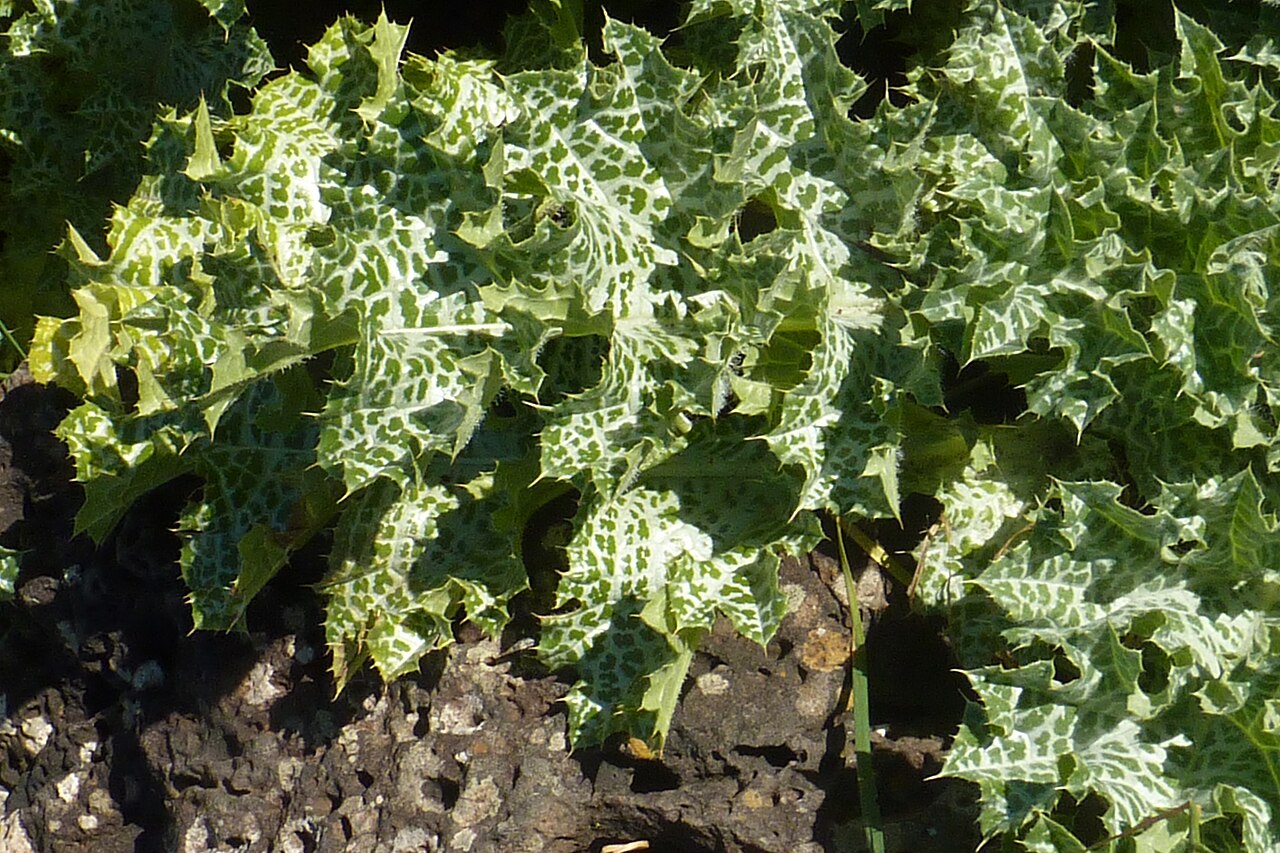
- Milk thistle: the best-known traditional liver herb. Studies haven’t shown a clear benefit, but it’s generally well tolerated. It may cause allergy in people sensitive to ragweed and daisies.
- Coffee: regular coffee drinkers tend to have healthier livers in large observational studies. That doesn’t prove cause, but a few cups of plain coffee a day is a reasonable habit for most adults.
- Dandelion: root and leaf teas are traditional “bitter” liver tonics. Evidence in people is thin. Avoid with a ragweed allergy or gallbladder problems.
- Artichoke leaf: traditionally used for digestion and bile flow. Small studies only. Avoid with gallstones unless your doctor agrees.
- Bitter greens: arugula, dandelion greens, radicchio and endive are an easy food-first way to follow the traditional “bitters” idea.
Worth knowing: herbal and dietary supplements are one of the known causes of liver injury. Concentrated turmeric and green tea extract pills have both been linked to rare cases. “Liver detox” products aren’t needed for a healthy liver, and if you have liver disease, check every supplement with your doctor first.
Check with your doctor or pharmacist before starting anything new, especially if you’re pregnant, nursing, on medication or managing a health condition.
A third-party guide (affiliate)
Some readers ask about a liver supplement. This one is sold by an outside company. Please read the safety note above and check with your doctor first.
Sponsored link. If you buy through it, Clif may earn a commission at no extra cost to you. The claims on the seller’s page are theirs, not ours, and haven’t been checked by us. It’s not a substitute for seeing your doctor.
Related
- Liver detox overview
- Metabolism & Weight
- The Structured Detox Method: start with the everyday basics first
- Back to the Remedy Library
Sources
- NIDDK: Fatty liver disease (NAFLD & NASH)
- NCCIH: Milk thistle
- LiverTox (NIH): clinical information on drug- and supplement-induced liver injury
- Canadian Liver Foundation
Affiliate notice: this page contains affiliate links. If you buy through them we may earn a commission at no extra cost to you. How we choose products.
Educational only, not medical advice. This information has not been evaluated by the FDA or Health Canada and is not intended to diagnose, treat, cure, or prevent any disease. Talk to your healthcare provider before starting any remedy, supplement, or detox, especially if you are pregnant, nursing, taking medication, or managing a health condition. Read our full Medical Disclaimer.