

A gleaming copper pyramid over a glass of water. A hammered copper jug filled the night before. A first sip before the day starts.
If you’ve seen copper rituals like these and wondered what the fuss is about, you’re in good company. People have kept water in copper for thousands of years, and the habit is having a big moment again. This post walks through the copper water benefits people talk about, the pyramid story, what copper actually does in your body, and how to enjoy the habit safely.
Quick take
- Water kept overnight in a copper vessel (tamra jal) is an old Ayurvedic morning habit, and people still love it as a calm daily ritual.
- Copper is a real nutrient, and a small lab study found copper pots left stored water cleaner. Research on drinking copper water itself is still thin.
- Keep it to plain water: never lemon water, juice or other acidic drinks in copper, and skip it if you have Wilson’s disease.
Why people reach for copper
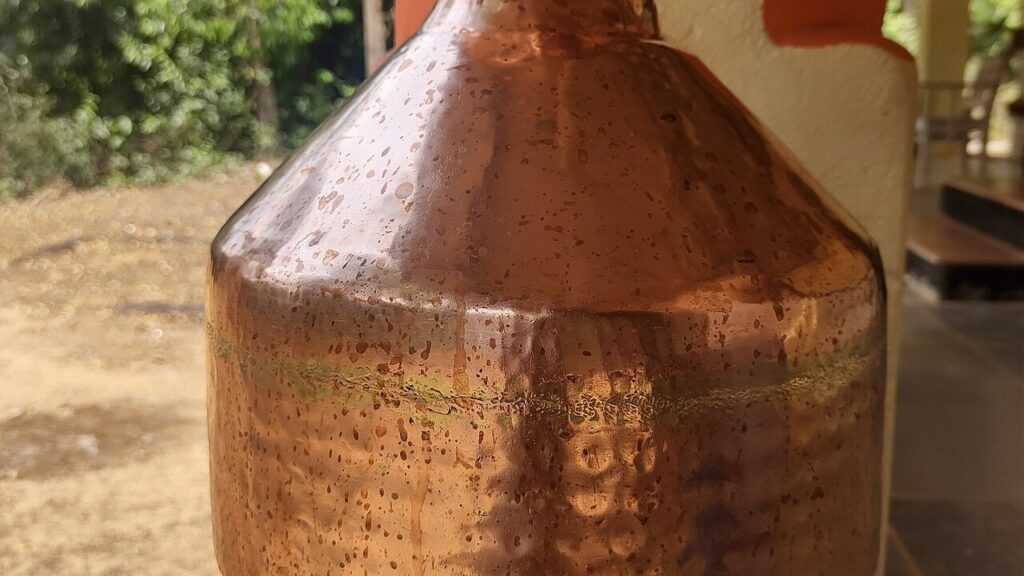
Most people don’t come to copper water looking for a miracle. They come because something feels a little off, or because they want a small daily habit that feels grounding. Some of the reasons people mention:
- A sluggish start. Mornings that feel heavy, digestion that needs a nudge, and a wish to drink more water before coffee.
- Water worries. Questions about what’s in the tap, the well or the bottle, and a pull toward older ways of storing water.
- A need for calm. A copper cup or pyramid on the table becomes a cue to slow down, breathe and set an intention.
- Tradition. Many families from India and Nepal grew up with a copper jug by the bed, and the habit carries memory and meaning.
That last point matters. A ritual you enjoy is one you keep, and a ritual that gets you drinking a full glass of water first thing is already doing something useful.
The copper pyramid: the story people tell
Copper pyramids are open frames, usually copper rods joined into the shape of a pyramid. People set them over a glass of water, a fruit bowl, a jar of honey, or their own meditation cushion.
The story goes that the pyramid shape gathers and focuses a kind of energy, and that water, food or a person sitting under it is gently “charged” by it. It’s said that fruit keeps longer and water tastes softer. Copper is chosen because it’s a beautiful conductor, and many people simply find the shape calming to look at.
Modern research on pyramid shapes is close to nonexistent, so this one lives in the world of ritual and personal experience. If you’re curious about the full history, the claims and the experiments people have run, the Remedies Vault has a deeper look at it.
For many people, the honest benefit is simple: the pyramid marks a moment. You fill your glass, sit for a minute, and start the day on purpose.
The copper does its quiet work in the water. The ritual does its quiet work in you.
Copper water benefits: what tamra jal is and what’s been studied
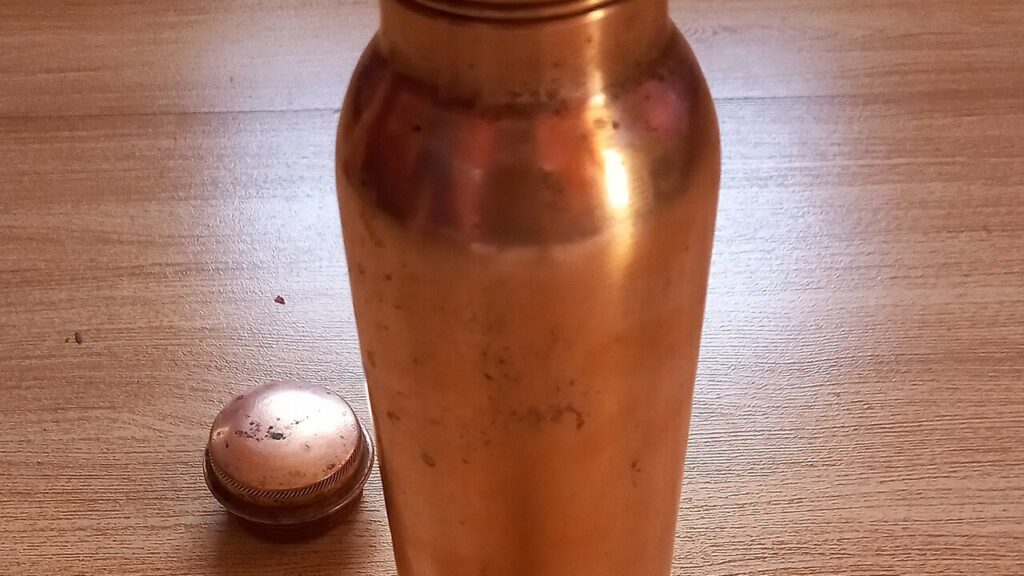
In Ayurveda, tamra jal means copper water: plain drinking water stored in a copper jug or cup, often overnight, and sipped in the morning. Ayurvedic practitioners traditionally use it to support digestion and to balance the body, and it’s still part of daily life in many homes.
Here’s where modern science has something to say:
- Cleaner stored water. In a small 2012 lab study (Sudha and colleagues, Journal of Health, Population and Nutrition), researchers added diarrhea-causing bacteria to water and stored it in copper pots for 16 hours at room temperature. Afterward, the bacteria could no longer be recovered, while the copper level in the water stayed within the World Health Organization’s drinking-water guideline. The authors saw copper pots as a possible low-cost way to store water where clean water is scarce.
- Copper surfaces. Copper and many copper alloys reduce bacteria on contact. The US EPA has registered certain copper alloys for use as antimicrobial surfaces, such as door handles and rails.
- A trace of a real nutrient. Water from copper picks up tiny amounts of copper, a mineral your body needs (more below).
What hasn’t been studied much is what happens in healthy people who drink copper water every day. Claims about weight, skin, joints or “alkalizing” come from tradition and experience rather than trials. That doesn’t make the habit pointless; it just means it’s a gentle ritual, not a medicine.
Copper, the nutrient: what your body uses it for
Copper is an essential trace mineral. According to the NIH Office of Dietary Supplements, your body uses it to:
- make energy in your cells
- build connective tissue and keep blood vessels strong
- use iron and make red blood cells
- keep your nervous system and immune system working
- make melanin, the pigment in skin and hair
How much: in the US, the recommended amount for adults is 900 micrograms (mcg) a day, a bit more in pregnancy (1,000 mcg) and breastfeeding (1,300 mcg). The upper limit for adults from all sources is 10,000 mcg (10 mg) a day (NIH ODS / National Academies). Canada uses the same values.
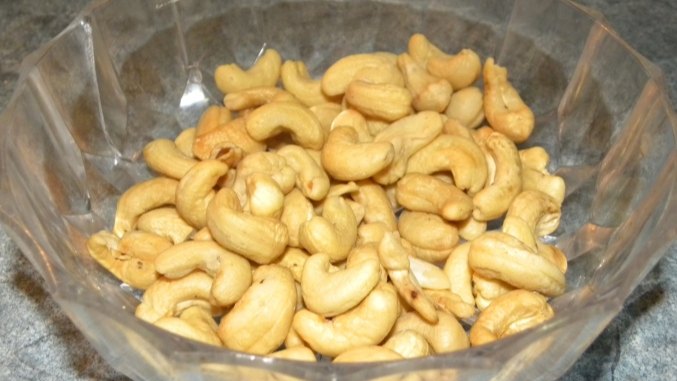
Food first: the richest everyday sources are beef liver, oysters and other shellfish, cashews, sunflower and sesame seeds, dark chocolate, shiitake mushrooms, chickpeas, lentils and potatoes. Most people in North America get enough from food. Low copper is uncommon, but it can show up after weight-loss surgery, with conditions that affect absorption such as celiac disease, or with long-term high-dose zinc supplements, which crowd copper out.
How people make copper water
- Choose a vessel made of solid copper on the inside, with no lacquer or coating where the water sits. Many people prefer a jug or cup with a simple shape that’s easy to clean.
- Fill it with plain, cool drinking water in the evening and leave it covered at room temperature.
- Drink a glass or two in the morning, then refill with fresh water. Many people use it as one drink a day, not their only water.
- Clean it every few days. Copper tarnishes naturally; people rub the outside with lemon and salt or a little vinegar, then rinse very well with plain water. Hand-wash only.
Who should skip copper water, and the acidic-drinks rule
Plain water only. The US FDA Food Code says copper shouldn’t touch foods with a pH below 6, which covers lemon water, juice, vinegar drinks, kombucha, wine and soda. Acids pull far more copper into the drink, and that’s how most copper upsets happen. Keep these in glass or stainless steel.
Know your water limits. In the US, the EPA’s action level for copper in drinking water is 1.3 mg per litre. In Canada, Health Canada sets a maximum of 2 mg per litre (and an aesthetic objective of 1 mg per litre). If your home has copper pipes and the water is soft or acidic, a water test is a good idea before you add a copper jug on top.
Skip copper water, or ask your doctor first, if you:
- have Wilson’s disease or another condition where the body can’t clear copper
- have liver disease or kidney disease
- are pregnant or breastfeeding
- are thinking of giving it to babies or young children (their limits are much lower)
- already take a supplement with copper in it
When to see a doctor
Too much copper usually shows up as nausea, vomiting, stomach pain or diarrhea, sometimes with a metallic taste. If that happens after drinking from copper, stop and switch back to a glass. Call US Poison Control at 1-800-222-1222 (or your provincial poison centre in Canada) if a child drank an acidic drink stored in copper, or if symptoms are strong. Get medical care for yellowing skin or eyes, dark urine, confusion, or vomiting that won’t stop, and call 911 in an emergency.
Questions people ask
What are the benefits of drinking copper water?
Traditionally, copper water is used in Ayurveda to support digestion and start the day well. A small lab study found copper pots left stored water free of the bacteria the researchers added, and copper is a nutrient the body needs. Studies in people drinking it daily are still lacking.
How long should water sit in a copper bottle?
The traditional habit is overnight, roughly 8 hours; the lab study used 16 hours. Fresh water each day and a clean vessel matter more than the exact time.
Can you drink copper water all day?
Most people keep it to a glass or two in the morning and drink the rest of their water from glass or steel. That keeps copper well within everyday limits, especially if you also eat copper-rich foods.
Copper rituals sit alongside other gentle folk habits, like cabbage leaves on the feet at bedtime, and pair nicely with a calm evening routine such as the one in our post on herbs for sleep.
Try this today
Tonight, fill a clean glass (or a copper cup, if you have one) with plain water and set it where you’ll see it first thing. In the morning, sit for one minute, take three slow breaths, and drink the whole glass before anything else. That’s the heart of the ritual, copper or not.
Go deeper in the Vault
Members can read the full copper profile in the Supplement Library, with food sources, typical amounts, the zinc-copper balance and who should be careful, plus the deeper story of copper pyramids and “pyramid power” in the Alternative Remedies section. Explore the Remedies Vault.
Educational only, not medical advice. This information has not been evaluated by the FDA or Health Canada and is not intended to diagnose, treat, cure, or prevent any disease. Talk to your healthcare provider before starting any remedy, supplement, or detox, especially if you are pregnant, nursing, taking medication, or managing a health condition. Read our full Medical Disclaimer.