
Acid reflux is when stomach contents flow back up into the food pipe (esophagus). The most common sign is heartburn: a burning feeling behind the breastbone, often after meals or when lying down. Occasional reflux is common. This page covers the everyday steps with the best support, the gentle remedies people traditionally use, and when to get checked.
Get medical help first if…
- you have chest pain, especially with shortness of breath, sweating, or pain spreading to your arm, jaw or back. It can be a heart problem. Call 911.
- you vomit blood or something like coffee grounds, or have black, tarry stools
- it’s hard or painful to swallow, or food feels stuck
- you’re losing weight without trying
- you have heartburn more than twice a week, or it keeps coming back for weeks
Everyday steps with the best support
- Leave 2–3 hours between your last meal and lying down.
- Raise the head of your bed about 15–20 cm (6–8 inches) with blocks or a wedge, if night-time symptoms bother you. Extra pillows alone tend to bend you at the waist instead.
- Eat smaller meals and slow down.
- Work toward a healthy weight if you carry extra weight around the middle. It’s one of the steps with the strongest evidence.
- Stop smoking and keep alcohol low.
- Learn your own triggers. Common ones are large or fatty meals, alcohol, coffee, chocolate, mint, spicy food, citrus and tomato. Not everyone reacts to all of them, so a short food-and-symptom diary works better than cutting everything.
Remedies people traditionally use
These are popular home remedies. The research on most of them is thin (small studies or tradition), so treat them as extras on top of the steps above.
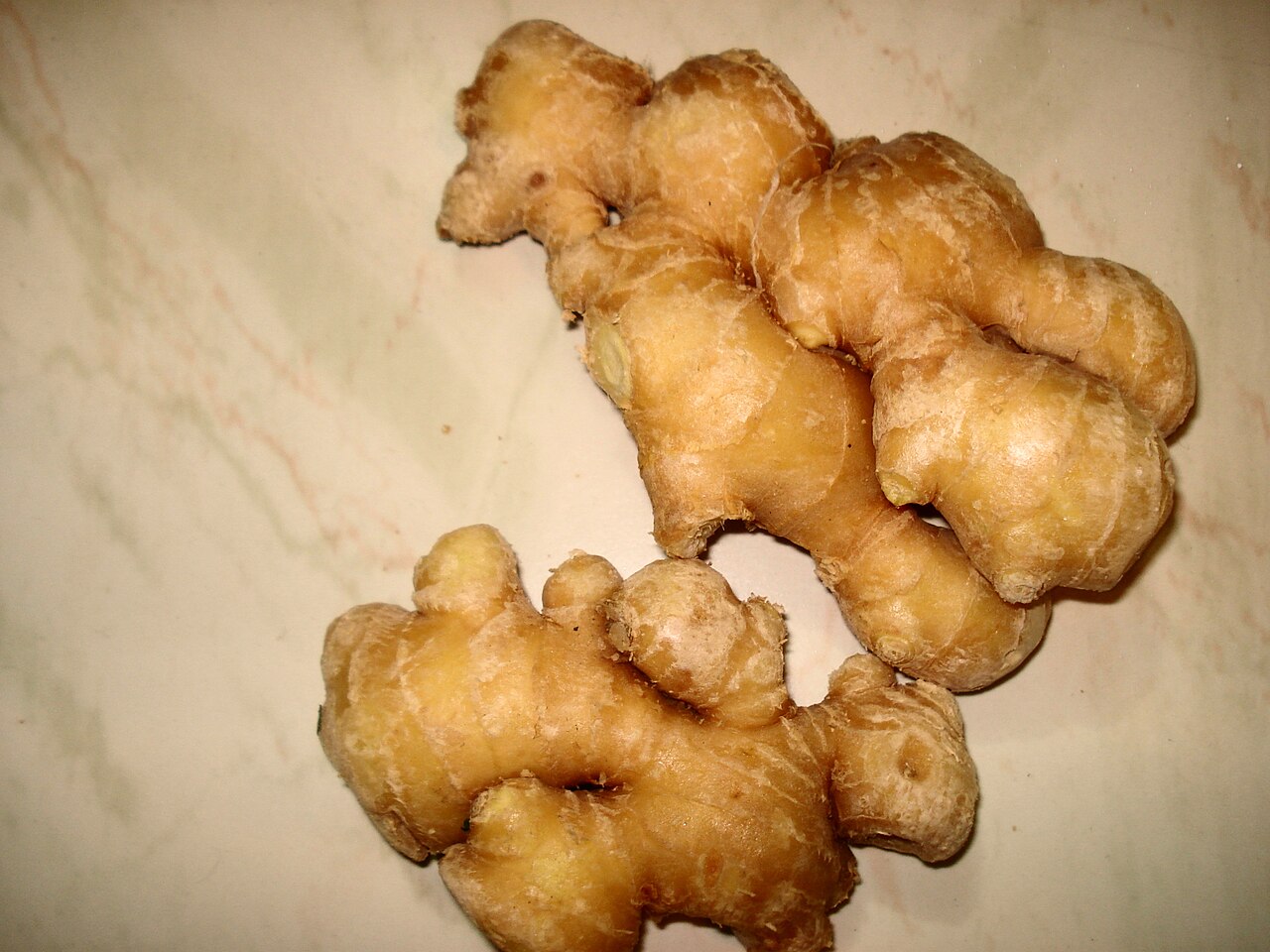
- Ginger (tea or small amounts in food): traditionally used for an upset stomach. Large amounts can cause heartburn in some people.
- Chamomile tea: a gentle, traditional after-dinner tea. Avoid it if you’re allergic to ragweed or daisies.
- Slippery elm and marshmallow root: “demulcent” herbs that form a soothing gel. They can slow the absorption of medicines, so take them at least 2 hours apart.
- DGL licorice (deglycyrrhizinated) chewables: the processed form without glycyrrhizin. Ordinary licorice root can raise blood pressure and lower potassium, so it’s not the same thing.
- Aloe vera juice: only inner-leaf, “decolorized” products. Whole-leaf aloe contains a strong laxative.
Worth knowing: peppermint (tea or oil) relaxes the valve at the top of the stomach and can make reflux worse. Baking soda in water is an old quick fix, but it’s high in sodium and isn’t meant for regular use. If you take any daily medication, ask your pharmacist before adding herbs, and don’t stop a prescribed acid medicine suddenly without talking to your doctor.
Always check with your doctor or pharmacist before starting anything new, especially if you’re pregnant, nursing, on medication or managing a health condition.
A third-party guide (affiliate)
Some readers ask for a step-by-step home-remedy program. This one is sold by an outside company.
Sponsored link. If you buy through it, Clif may earn a commission at no extra cost to you. The claims on the seller’s page are theirs, not ours, and haven’t been checked by us. It’s not a substitute for seeing your doctor.
Related
- Gut & Candida detox overview
- The Structured Detox Method: start with the everyday basics first
- Back to the Remedy Library
Sources
- NIDDK: Acid Reflux (GER & GERD) in Adults
- American College of Gastroenterology: Clinical guideline for GERD (2022)
- NCCIH: Licorice root
- NCCIH: Aloe vera
Affiliate notice: this page contains affiliate links. If you buy through them we may earn a commission at no extra cost to you. How we choose products.
Educational only, not medical advice. This information has not been evaluated by the FDA or Health Canada and is not intended to diagnose, treat, cure, or prevent any disease. Talk to your healthcare provider before starting any remedy, supplement, or detox, especially if you are pregnant, nursing, taking medication, or managing a health condition. Read our full Medical Disclaimer.