
Two slightly different tones. One in each ear. And your brain hears a third sound that isn’t actually there.
That’s the whole trick behind binaural beats. Millions of people now put on headphones and use them to wind down, fall asleep, meditate or focus.
Do they work? For some people, maybe. Nothing works for everyone. But this is one of the cheapest, gentlest options out there, so it’s worth knowing how it works, which frequencies people reach for, and what the research says so far.
Quick take
- Binaural beats play a slightly different tone in each ear, and your brain perceives the difference as a slow “beat”. Headphones are a must.
- People pick the beat speed to match the state they want: slow for sleep and deep relaxation, faster for calm focus and alertness.
- Studies suggest small-to-moderate effects on anxiety, attention, memory and pain perception for some people. Results for sleep are still mixed.
What binaural beats actually are
Here’s the simple version.
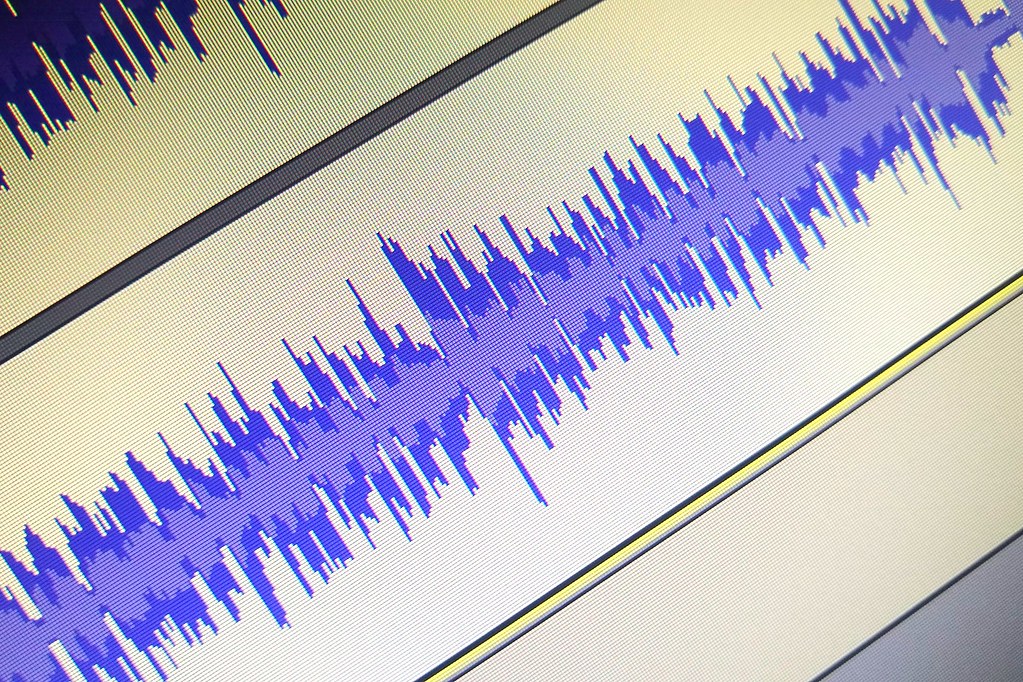
Your left ear hears a steady tone at, say, 200 Hz. Your right ear hears 210 Hz. Neither ear hears a beat. But your brain combines the two and perceives a soft pulsing at the difference between them: 10 beats per second (10 Hz).
That “phantom” beat is created inside your own hearing system. That’s why headphones are required. Play the same track through a speaker and both ears hear both tones, so the effect disappears.
The idea behind using them: your brain’s electrical rhythms (brainwaves) speed up and slow down with your state of mind. The theory, called “entrainment”, is that listening to a beat at a certain speed may nudge your brain toward that rhythm. That theory is still being studied, and the research doesn’t fully agree yet.
The frequency bands and what people use them for

Most tracks are labelled by the brainwave band the beat falls in. Here’s the cheat sheet.
Delta (about 0.5–4 Hz): deep sleep
The slowest band, linked with deep, dreamless sleep. People use delta tracks at bedtime or overnight. Some people find them soothing; others find them too dull to notice.
Theta (about 4–8 Hz): meditation and deep relaxation
Linked with drowsiness, daydreaming and deep meditation. Theta is a favourite for winding down, guided relaxation and that drifty state just before sleep.
Alpha (about 8–13 Hz): calm, relaxed focus
The “awake but relaxed” band. People use alpha to take the edge off stress, reset after a busy day, or settle into light reading. It’s the most popular starting point.
Beta (about 13–30 Hz): alertness and concentration
Linked with active thinking and problem solving. Some people play beta tracks while studying or working. Not one for bedtime.
Gamma (about 30 Hz and up): being studied for memory and attention
The fastest band. Gamma rhythms are being studied for their link with memory and attention, and 40 Hz sound and light is an active research area. It’s early days, so treat gamma tracks as an experiment, not a fix.
It costs nothing, it’s gentle, and you’ll know within a week whether it does anything for you.
What the research says so far
More than you might expect, and it’s mixed. Here’s the fair picture:
- Anxiety, memory, attention and pain: a 2019 meta-analysis in Psychological Research (Garcia-Argibay and colleagues) pooled about two dozen studies and reported small-to-moderate effects across these areas. Listening before a task, and for longer, seemed to help more.
- Nerves before surgery: several trials, going back to a 2005 study in Anaesthesia, have looked at binaural beats for pre-surgery anxiety, and some reported lower anxiety scores than in people who listened to silence or plain audio.
- Sleep: early and mixed. Some small studies report people falling asleep more easily; others find little difference.
- The “brainwave syncing” theory itself: a 2023 systematic review found studies split, with some showing the brain following the beat and others not.
Bottom line: binaural beats are being studied for stress, focus and pain perception, and some people find them helpful. They’re a gentle extra, not a replacement for care.
The other sound options people use
Binaural beats aren’t the only game in town. You’ll run into these too.
Monaural beats
The two tones are mixed together before they reach your ears, so the beat is a real sound. No headphones needed, and the pulse is more obvious.
Isochronic tones
A single tone switched on and off at a steady rhythm. Sharp and distinct. Some people like them for focus; others find them grating. They work through speakers too.
Solfeggio frequencies (432 Hz, 528 Hz and friends)
These are different. They’re single musical pitches, not beats. 528 Hz is popularly called “the love frequency” and linked online with repair and healing; 432 Hz is said to feel warmer and more natural than standard tuning.
To be straight with you: these are popular, modern spiritual traditions with very little research behind the specific healing claims. A handful of small studies have looked at 432 Hz music and relaxation, with modest results. If you enjoy them and they help you relax, that’s a fine reason to listen. Just don’t expect them to do more than that.
How people use them

- Use headphones (for binaural beats specifically). Comfortable over-ear or soft headband styles are popular for bedtime.
- Keep the volume low. The beat works quietly. Loud doesn’t mean stronger.
- Give it 15–30 minutes. Most studies used sessions in this range.
- Match the band to the moment: theta or delta at night, alpha for unwinding, beta for a work session.
- Pair it with a habit: slow breathing, a dim room, no screens. The beat is one piece of a calm routine, not the whole thing. Our post on the everyday root causes of brain fog covers the sleep and stress basics that sit underneath.
Who should be careful
- Epilepsy or a history of seizures: talk to your doctor before trying any rhythmic sound or light program.
- Never while driving, operating machinery, or doing anything that needs your full attention. Relaxation and sleep tracks are designed to make you drowsy.
- Hearing: keep the volume moderate and take breaks, especially with earbuds.
- Stop if you get a headache, dizziness, ringing in the ears, or feel more anxious rather than less.
- Pacemakers, hearing aids or ongoing mental health care: check with your doctor or care team first.
When to see a doctor
Binaural beats are a comfort tool, not a replacement for care. See your doctor if you have:
- Trouble sleeping most nights for more than a few weeks, or loud snoring with daytime exhaustion.
- Anxiety, low mood or panic that’s getting in the way of daily life.
- Ongoing or worsening pain, or new problems with memory or concentration.
If you’re in crisis or thinking about harming yourself, call or text 988 (Canada and the US) any time, or go to your nearest emergency department.
Try this today
Tonight, before bed, lie down with headphones on and play a 15–20 minute alpha or theta binaural track at low volume. Dim the lights, put the phone face down, and breathe slowly. Try it for a week and notice how quickly you settle. That’s your answer.
Go deeper in the Vault
Members can open the Poor Sleep symptom guide for the full set of sleep options, and the Memory & Focus hub for everything we have on concentration and brain health. For related reading, the Herbal Library covers calming herbs like chamomile, lemon balm and valerian.
Educational only, not medical advice. This information has not been evaluated by the FDA or Health Canada and is not intended to diagnose, treat, cure, or prevent any disease. Talk to your healthcare provider before starting any remedy, supplement, or detox, especially if you are pregnant, nursing, taking medication, or managing a health condition. Read our full Medical Disclaimer.