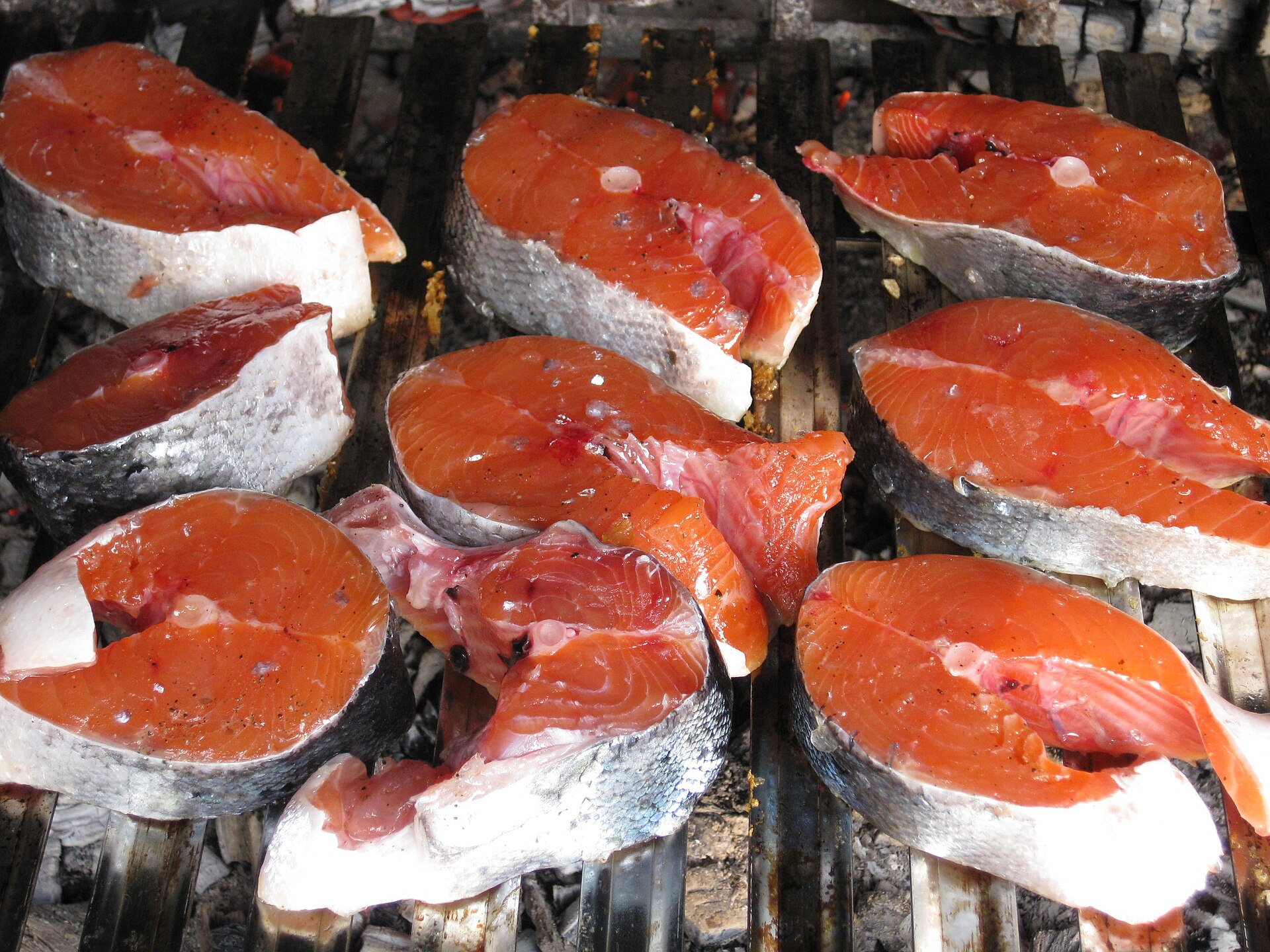
Vitamin B12 keeps your blood and nerves working, and it’s one of the few vitamins your body can quietly run short on for years without your knowing. Here’s who tends to run low, which foods and forms cover your needs, what “B12 for energy” really means, and the common medicines that drain it.
Similar Posts
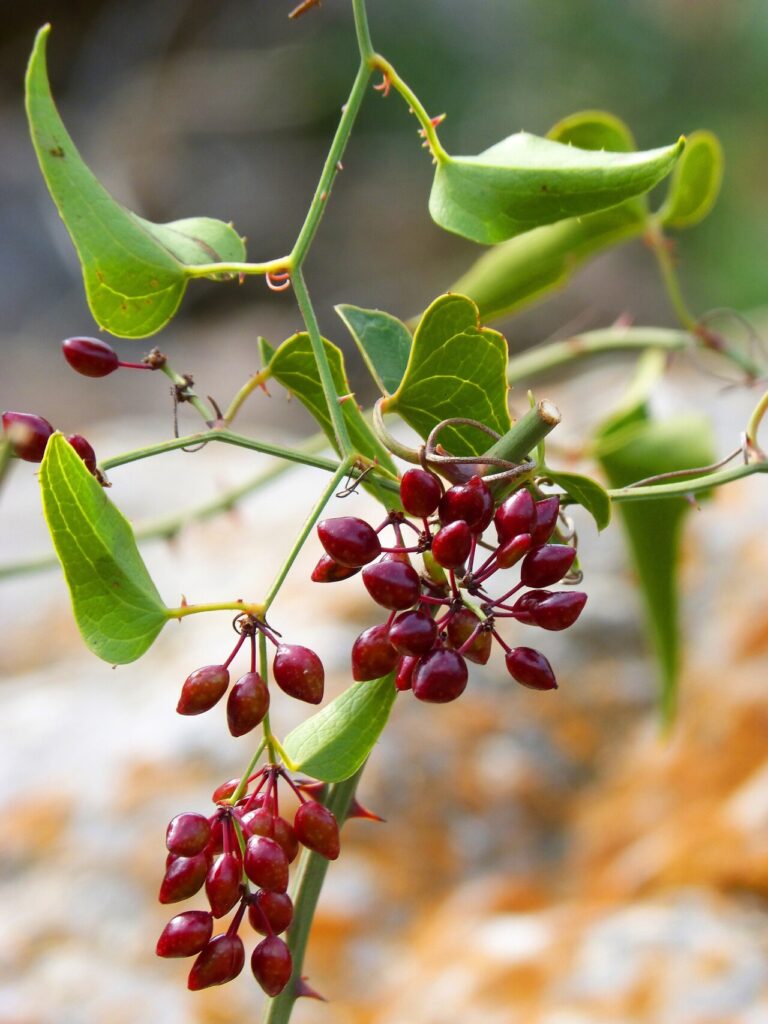
Sarsaparilla
Sarsaparilla root was one of the most famous "blood purifiers" of European and American medicine for about three centuries, and it still turns up in blood-cleanse, skin and men's tonic blends. Members get the full entry: its history, why doctors doubted it as early as the 1850s, what the research does and doesn't show, and its digoxin, lithium and kidney cautions.
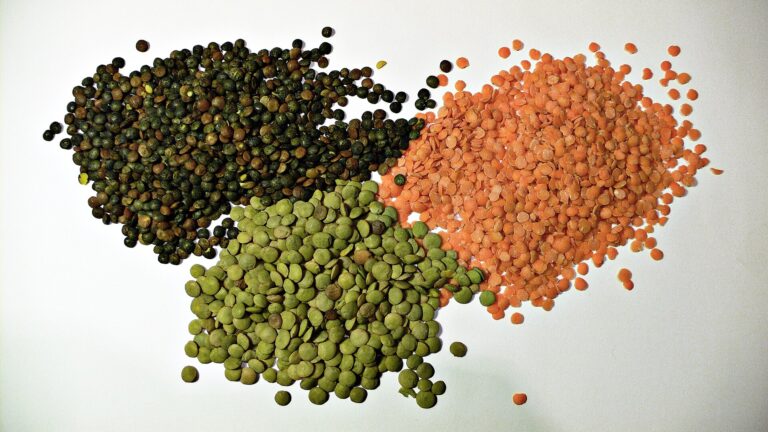
B-Complex
A B-complex bundles the eight B vitamins your body uses to turn food into energy and keep nerves and blood healthy. Here's what each one does, who tends to run low, what the research on stress and energy shows, and why "more" on the label isn't always better.
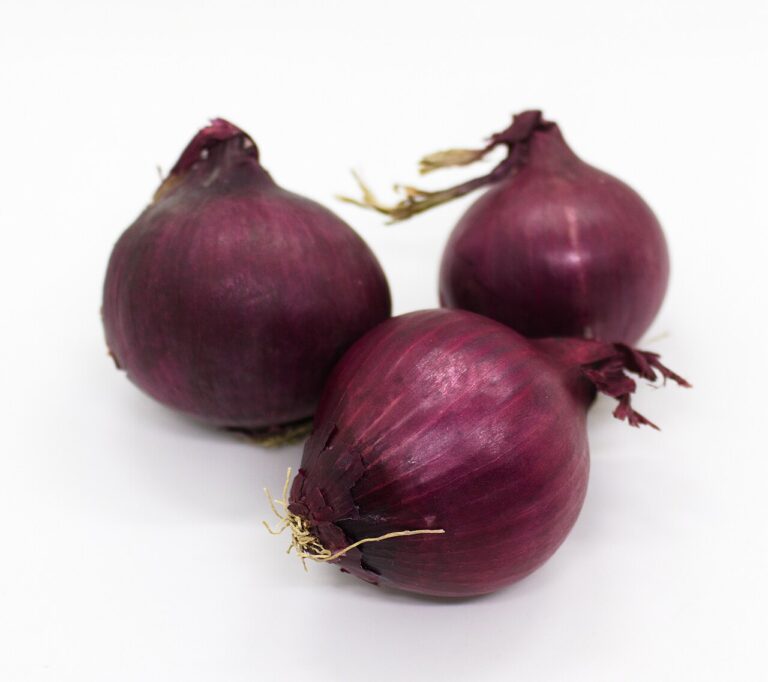
Quercetin
Quercetin is the most common flavonoid in the human diet, the yellow pigment behind onion skins and apple peels. Here's how naturopaths use it, the traditional herbs that are rich in it, and what the research shows.
Sea Moss (Irish Moss)
A red seaweed from rocky North Atlantic shores that Irish families boiled into a soothing drink for coughs and colds, and that Caribbean kitchens turned into a thick, spiced milk drink for strength. Today it's a popular gel and gummy sold as a mineral-rich "superfood".
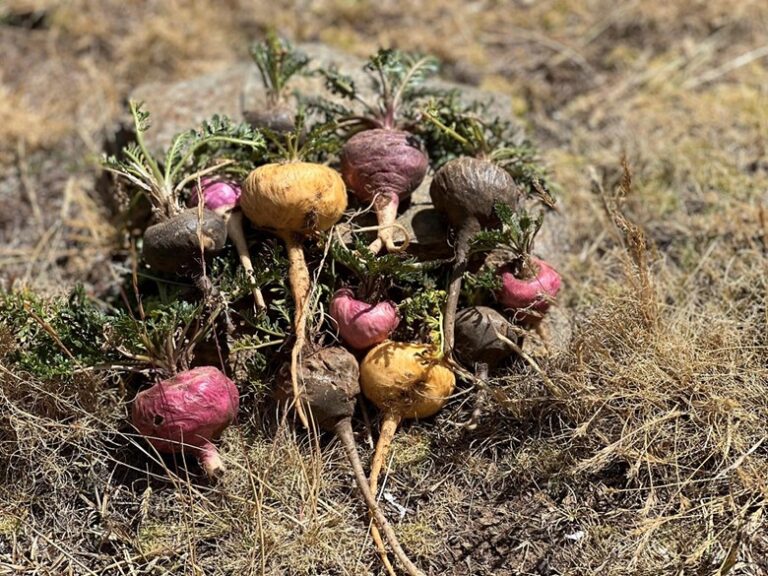
Maca
A hardy root from the high Peruvian Andes, grown at around 4,000 metres for up to 2,000 years. Andean families have long eaten it as a staple food and an energizing tonic, and today it's one of the most popular "superfood" roots for energy and vitality.
Bitter Melon
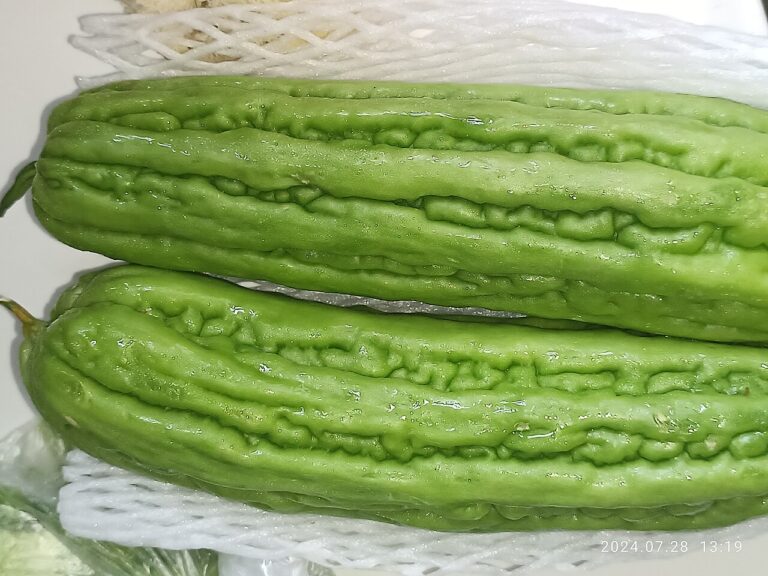
A knobbly green gourd that is everyday food from India and China to the Philippines, and the famously bitter "cerasee" bush tea of Jamaica and the Caribbean. Few plants are used in as many traditional kitchens and medicine systems at once.