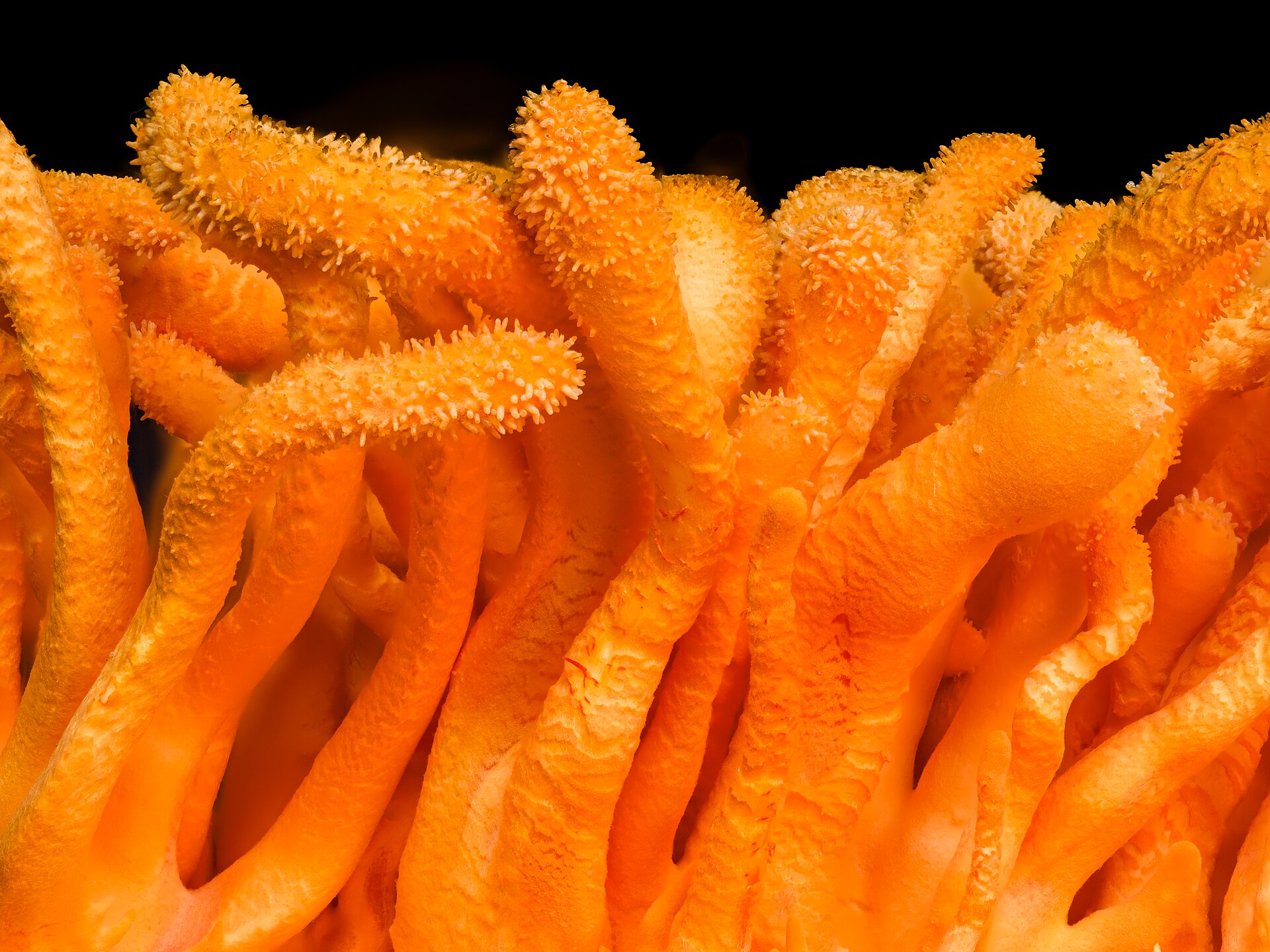
A rare Himalayan fungus that grows out of moth caterpillars, cordyceps has been prized in Tibetan and Chinese medicine since at least the 1400s as an energy and lung–kidney tonic. Today almost all of it is grown in labs, and the research is far thinner than the marketing.
Similar Posts
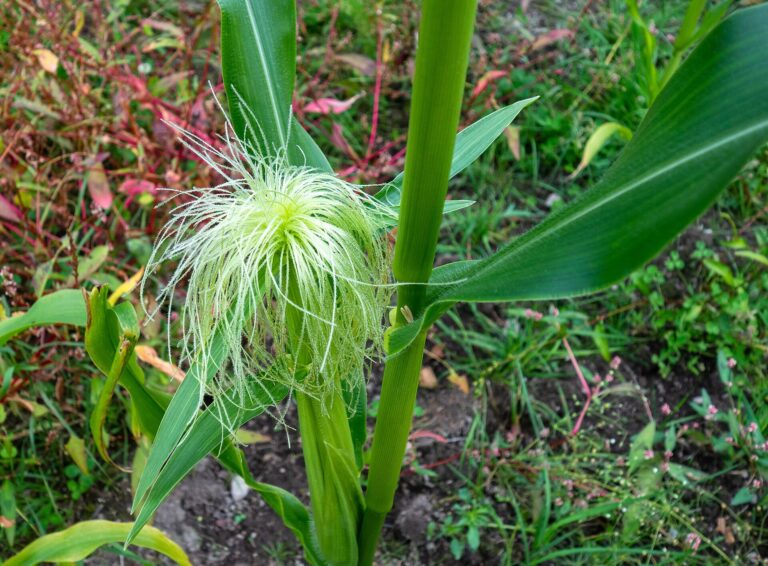
Corn Silk
Corn silk, the fine threads at the top of an ear of corn, is a gentle traditional tea for the bladder and puffiness in Chinese and Native American medicine. Here is its history, the draft EU monograph amounts, what the evidence does and does not show, and the potassium and medicine cautions.
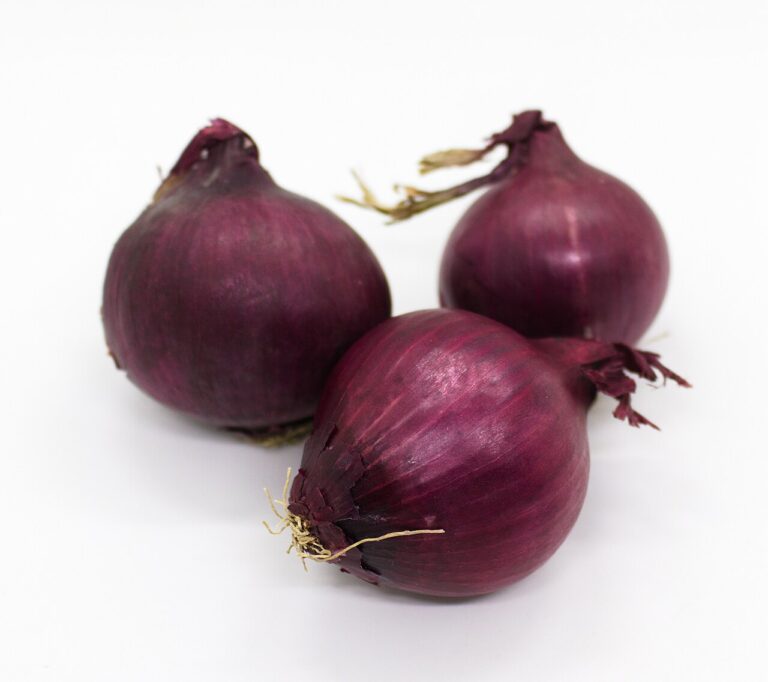
Quercetin
Quercetin is the most common flavonoid in the human diet, the yellow pigment behind onion skins and apple peels. Here's how naturopaths use it, the traditional herbs that are rich in it, and what the research shows.
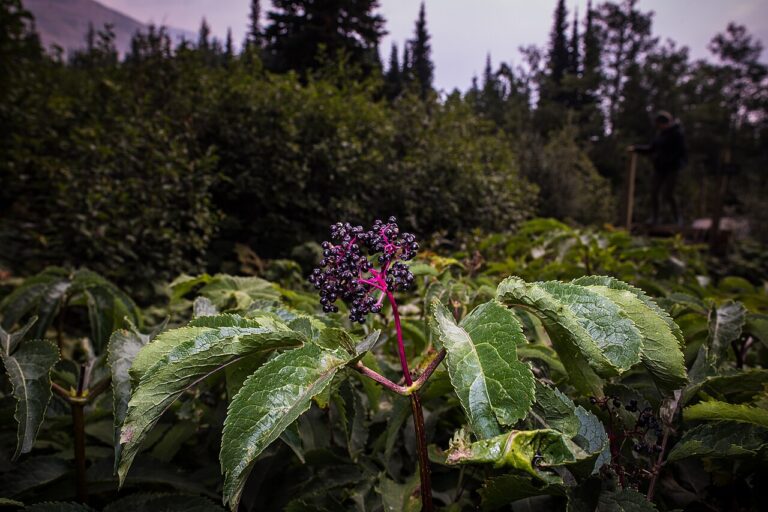
Elderberry (Sambucus nigra)
A dark purple berry that European households have cooked into syrups for generations at the first sign of a cold. Today it's one of the most popular herbal supports for the cold and flu season.
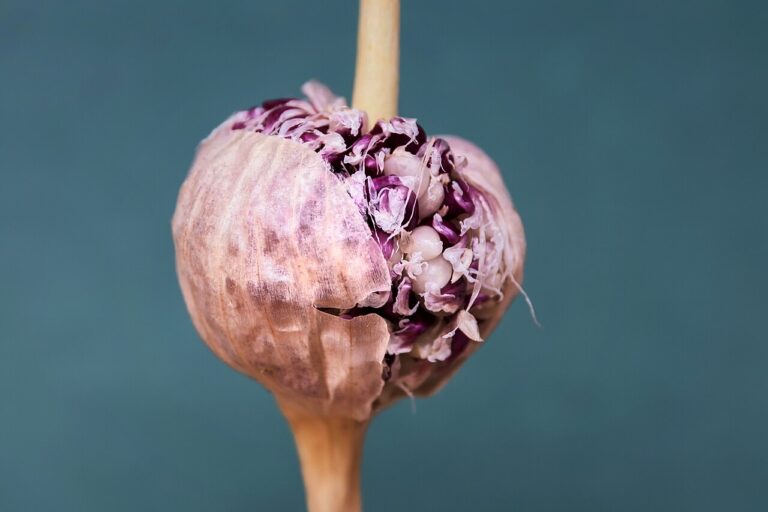
Garlic
Garlic fed the pyramid builders, went into Hippocrates' remedies and is still one of the most used herbs in Ayurveda and Chinese medicine. Here's how each tradition uses it, what the bigger modern studies found for blood pressure, cholesterol and colds, and the medicine interactions that come with the supplements.
Black Walnut Hull
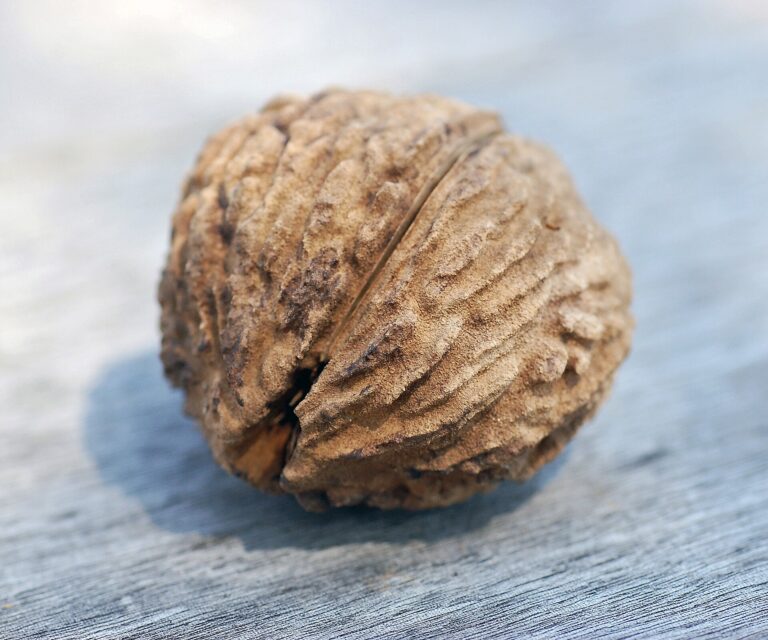
Black walnut hull is the bitter, dark-staining husk at the heart of the classic "wormwood, black walnut and clove" parasite cleanse. Members can read its traditional story, what the research does and doesn't show, and the safety points to know first.
Red Raspberry Leaf
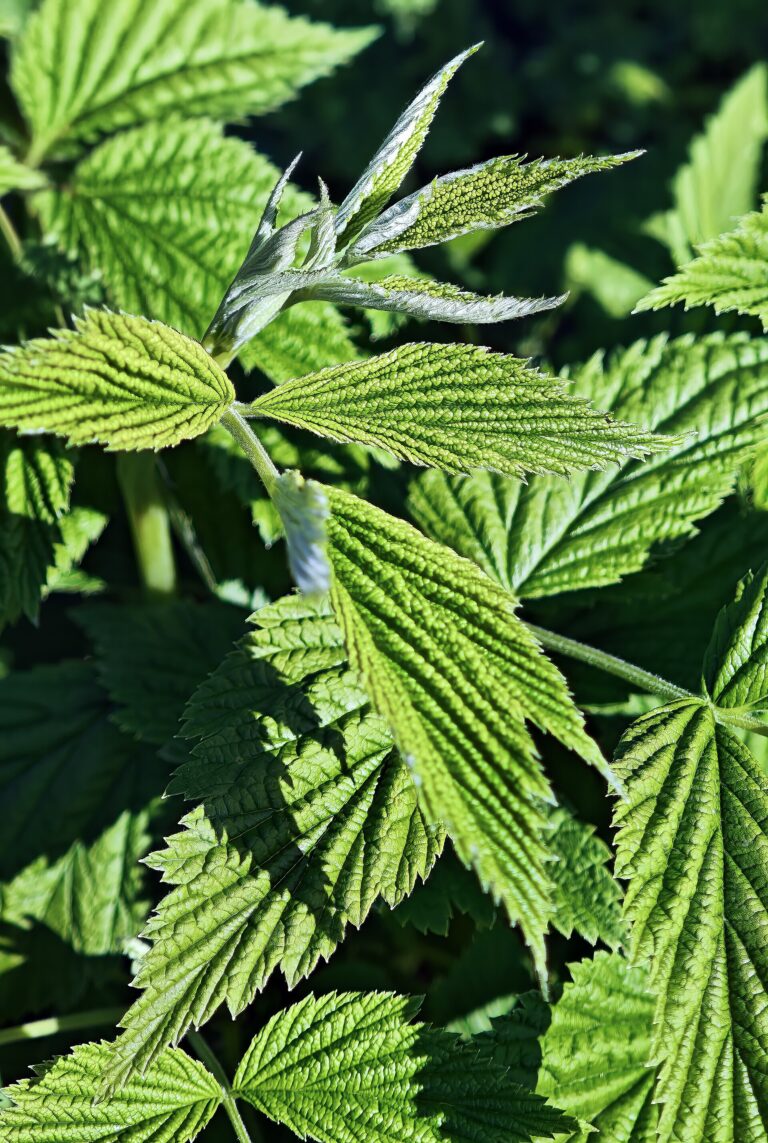
Raspberry leaf is one of the best-known "women's teas", a mild, slightly drying leaf that midwives and herbalists have handed down for generations. It is also a European-approved traditional tea for period cramps, mild tummy upsets and as a mouth and throat gargle.