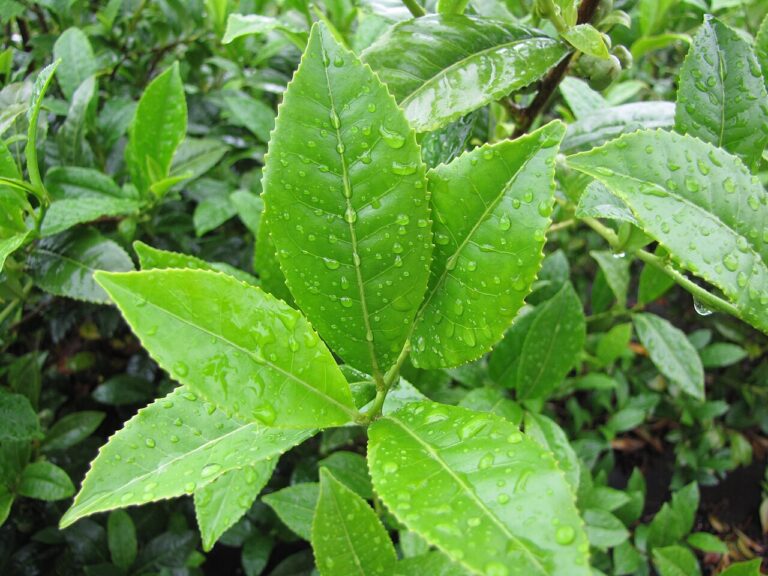
Guggul is the fragrant resin at the heart of Ayurveda’s “guggulu” tablets, used for centuries for joints, weight and skin. Here’s what the tradition uses it for, why a well-known US trial surprised everyone, and the rash, thyroid and medicine cautions to know first. The tree is also critically endangered, so where it comes from matters.
Similar Posts
Black Seed Oil (Nigella sativa)
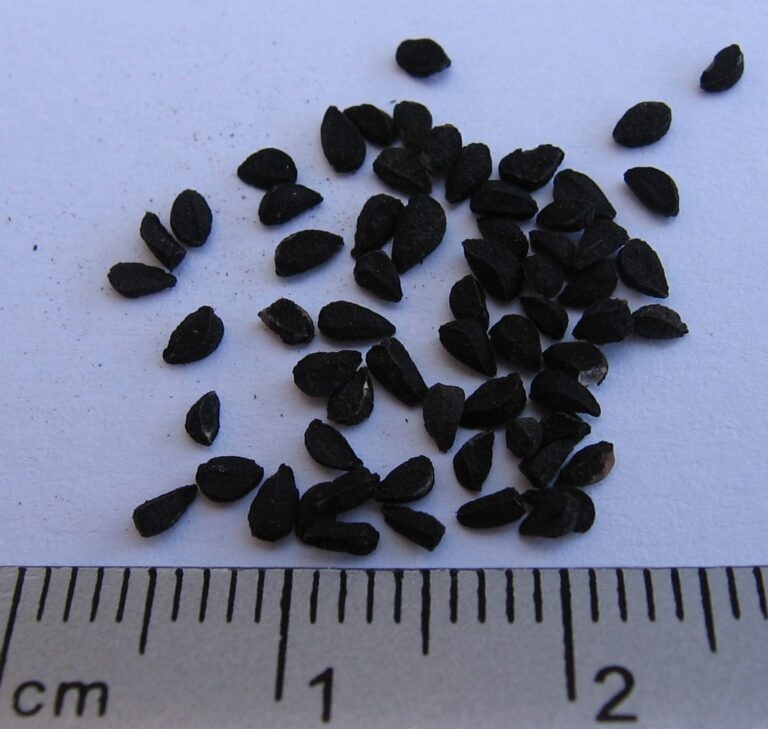
A small black seed that has been a kitchen spice and a household remedy across the Middle East, North Africa and South Asia for centuries. Members use the seeds and cold-pressed oil for digestion, breathing, skin and everyday wellness.
Maca
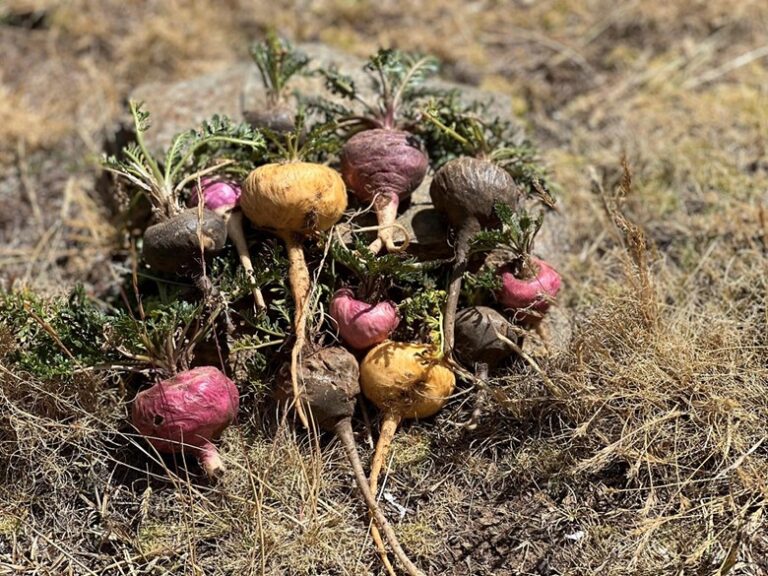
A hardy root from the high Peruvian Andes, grown at around 4,000 metres for up to 2,000 years. Andean families have long eaten it as a staple food and an energizing tonic, and today it's one of the most popular "superfood" roots for energy and vitality.
Quercetin
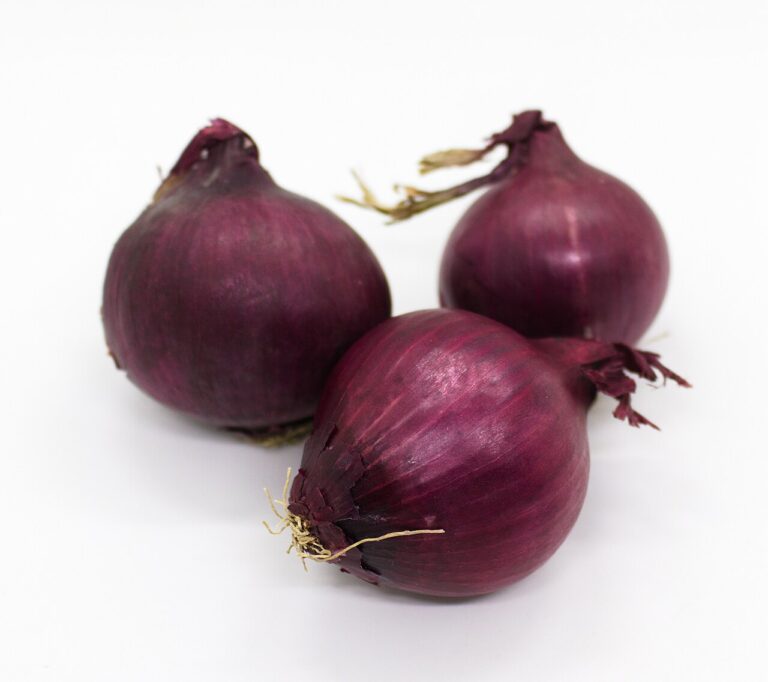
Quercetin is the most common flavonoid in the human diet, the yellow pigment behind onion skins and apple peels. Here's how naturopaths use it, the traditional herbs that are rich in it, and what the research shows.
Zinc
Zinc is a trace mineral your body uses in hundreds of enzymes, from immune cells to skin repair. Here's how traditional medicine and naturopaths use it, what the research shows, and why more isn't better.
Vitamin D3 + K2
A hundred years ago, doctors found that cod liver oil and sunshine could straighten the bowed legs of children with rickets. Twenty years later a dentist found a mysterious "Activator X" in spring butter. Here's why people now take vitamin D3 and K2 together, what the studies actually show, and the one medicine that makes K2 a serious matter.
Green Tea
The tea plant was first grown in China thousands of years ago, and a Japanese monk wrote in 1211 that tea was a medicine for long life. Today green tea is one of the world's most-loved daily drinks, and its leaf and extracts are some of the most-studied plant compounds there are.