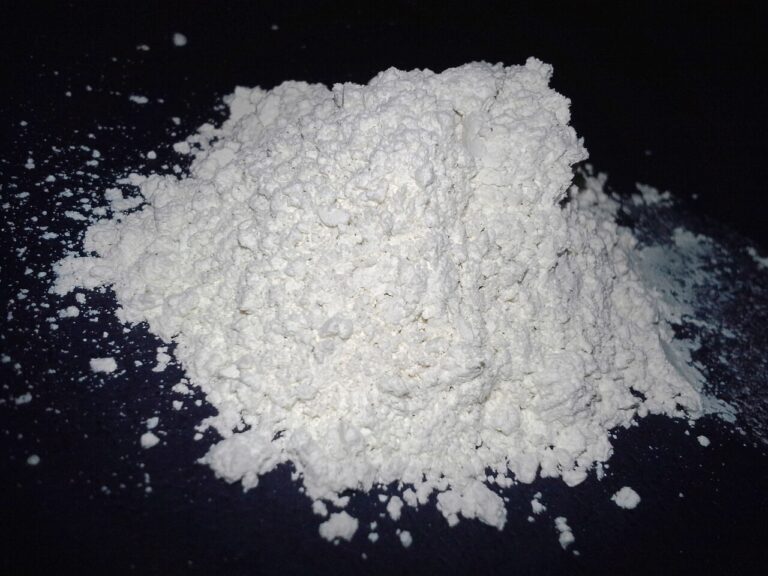
Corn silk, the fine threads at the top of an ear of corn, is a gentle traditional tea for the bladder and puffiness in Chinese and Native American medicine. Here is its history, the draft EU monograph amounts, what the evidence does and does not show, and the potassium and medicine cautions.
Similar Posts
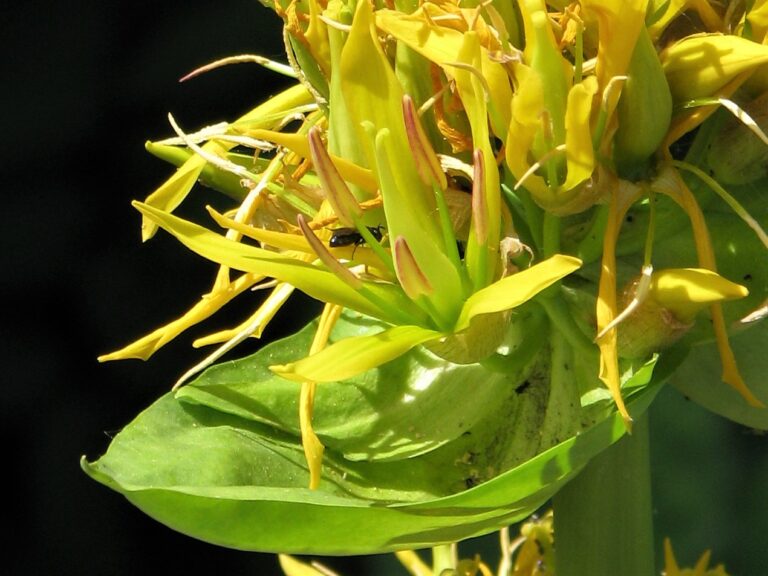
Bitters (Gentian and Swedish Bitters)
Gentian root and Swedish bitters are sipped before meals in European tradition to wake up appetite, digestion and bile flow. Here's the history, what the research does and doesn't show, the EU amounts, and why most Swedish bitters are short-term only.
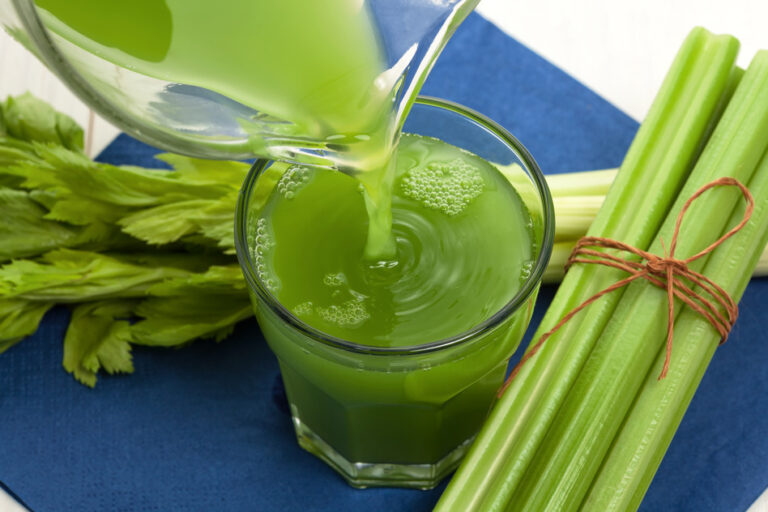
Celery Juice
The 16 oz morning celery juice habit is one of the best-known detox trends. Here is where it came from, what the research actually shows (no human trials of the juice itself), what is in a glass, and the allergy, sun-sensitivity, sodium, warfarin and lithium cautions.
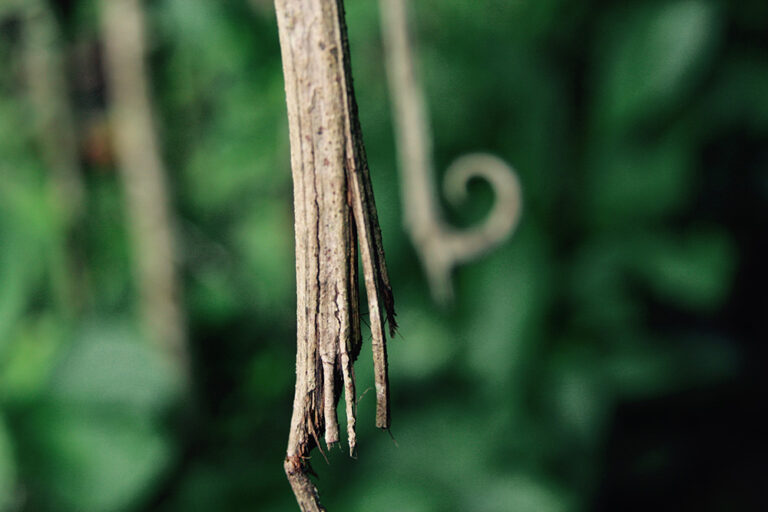
Cat’s Claw
A thorny vine from the Amazon rainforest, named for the curved hooks on its stems, that Peruvian peoples have boiled into a bitter bark tea for generations. Here's what tradition and research say about it, and who should be careful.
Sea Moss (Irish Moss)
A red seaweed from rocky North Atlantic shores that Irish families boiled into a soothing drink for coughs and colds, and that Caribbean kitchens turned into a thick, spiced milk drink for strength. Today it's a popular gel and gummy sold as a mineral-rich "superfood".
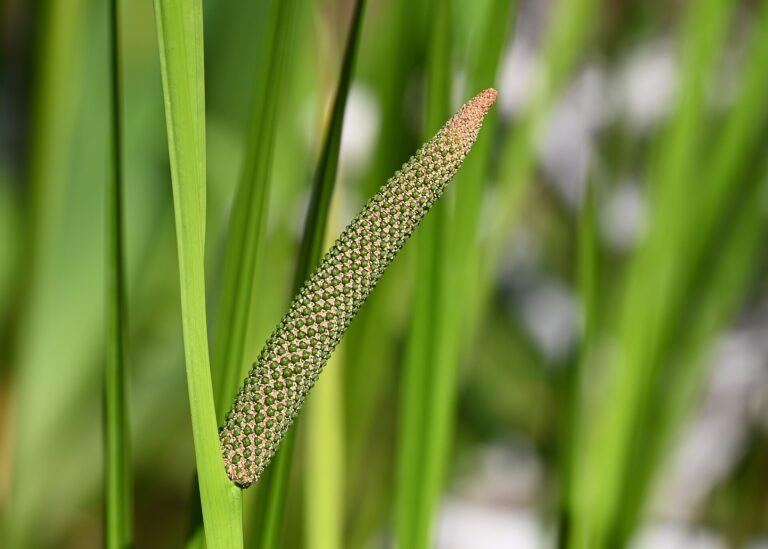
Calamus / Vacha (Safety Profile)
Sweet flag is an aromatic marsh plant with a long history in Ayurveda, Chinese medicine and Indigenous North American medicine. It's also one of the few herbs banned from food in the US, because its oil contains beta-asarone, which caused cancer in rodent studies.
Diatomaceous Earth (safety entry)
Food-grade diatomaceous earth is a fine white powder made from fossilized algae, sold for garden pests and stirred into water by some detoxers for "parasites" and "heavy metals". Members get the full entry: where the idea comes from, what the research actually shows (spoiler: very little in people), and the breathing risk that matters more than any claimed benefit.