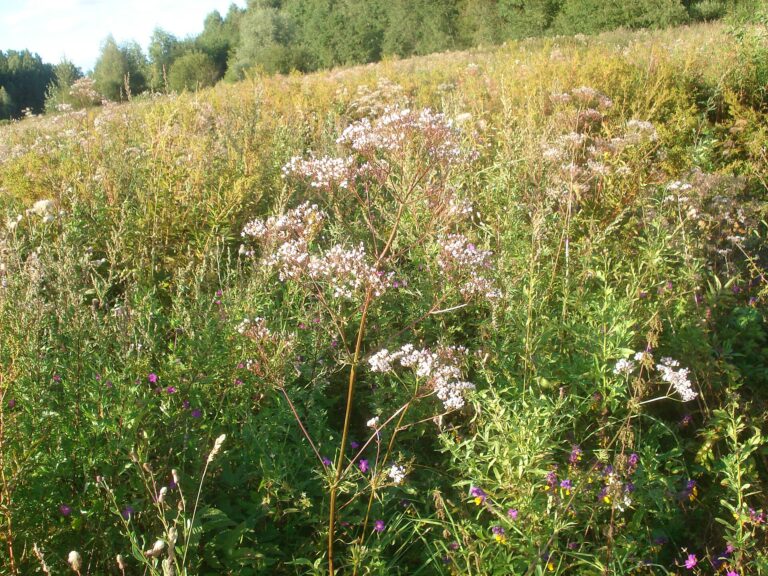
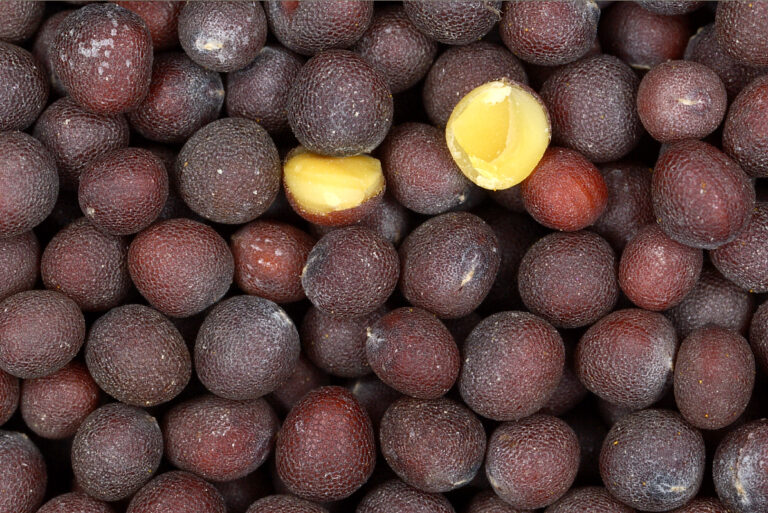
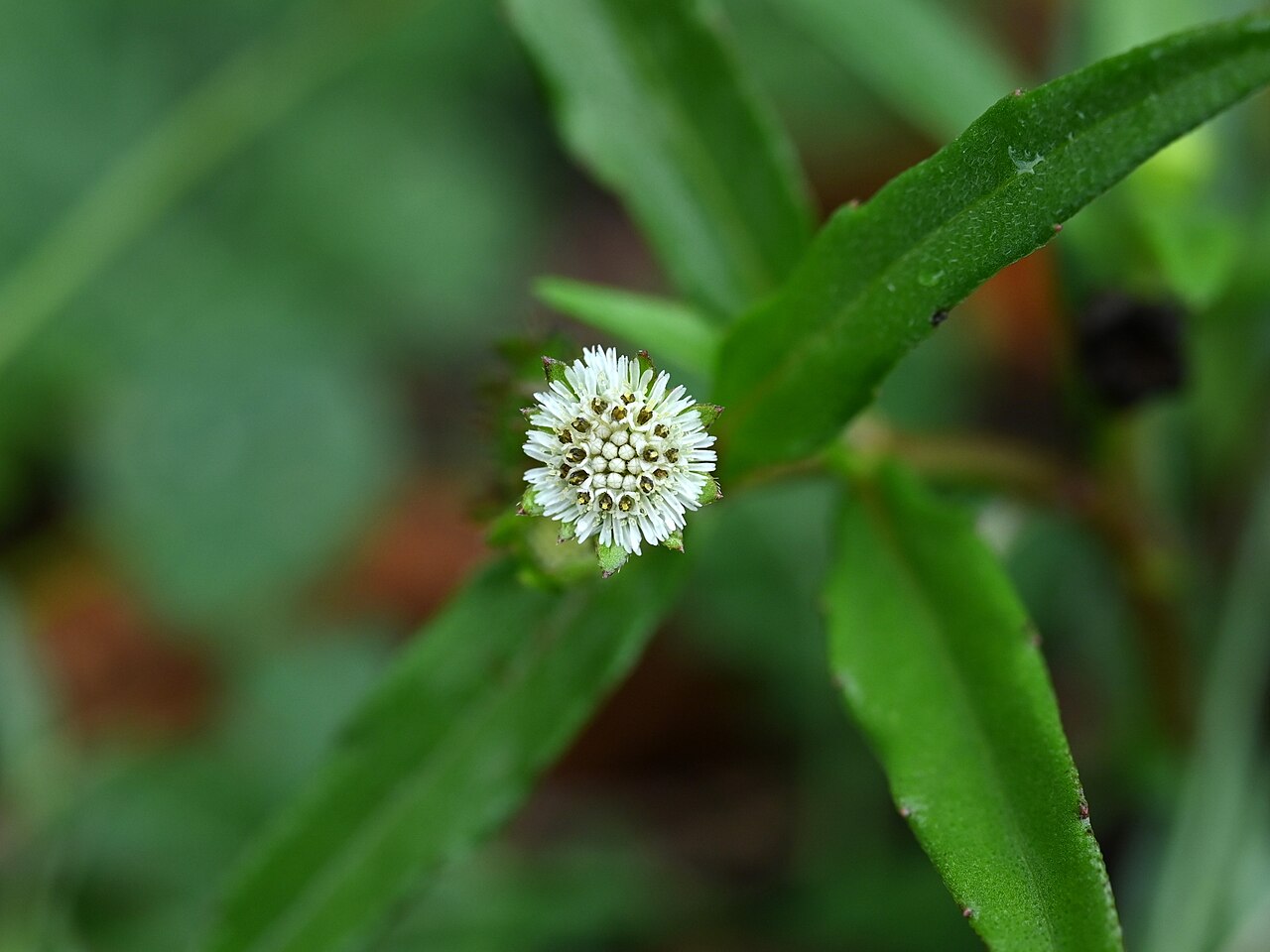
Bhringraj’s Sanskrit name means “king of hair”, and for centuries it has been cooked into oils for the scalp across India. Here’s what Ayurveda and Chinese medicine use it for, what the early lab research is looking at, and how to use it with care.
Similar Posts
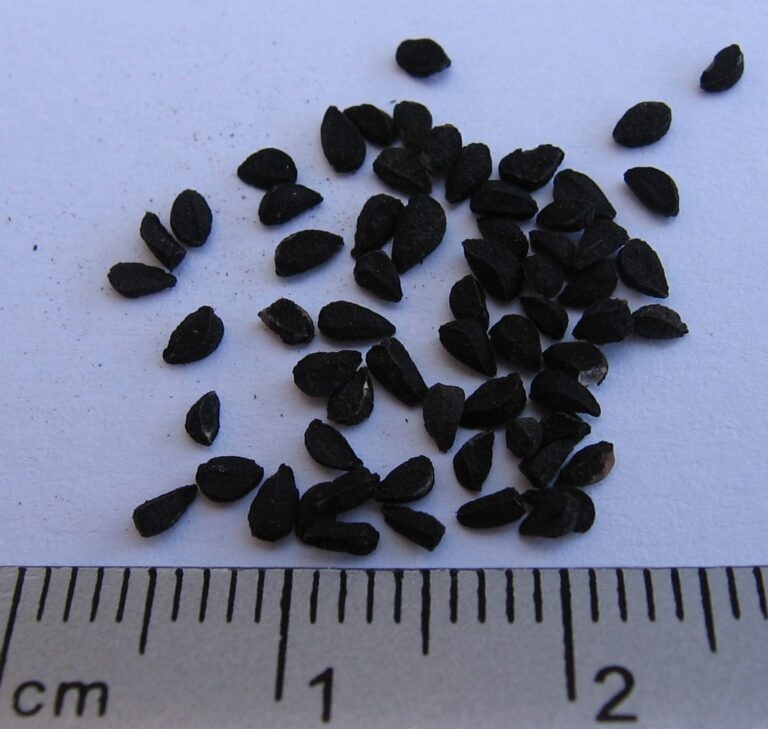
Black Seed Oil (Nigella sativa)
A small black seed that has been a kitchen spice and a household remedy across the Middle East, North Africa and South Asia for centuries. Members use the seeds and cold-pressed oil for digestion, breathing, skin and everyday wellness.
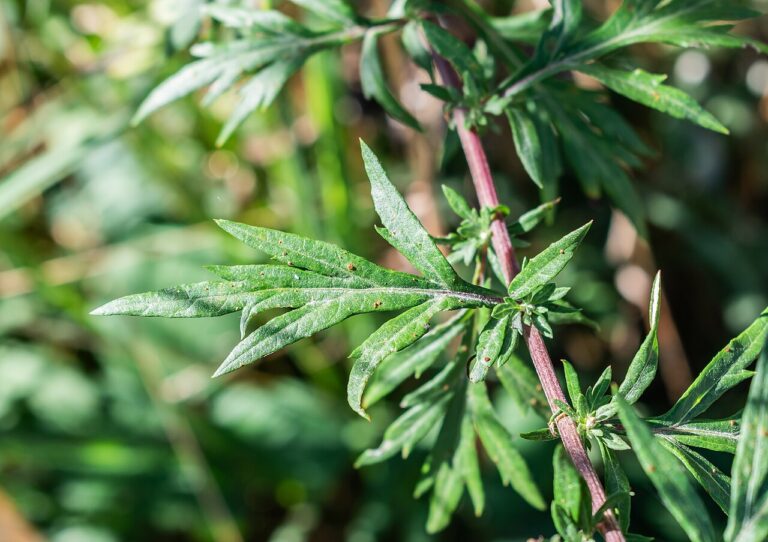
Wormwood
Wormwood is one of the bitterest herbs there is, and one of the three classic herbs in the traditional "parasite cleanse". Members can read what the research actually shows, the typical amounts from European and Canadian references, and the safety points that matter most with this strong herb.
B-Complex
A B-complex bundles the eight B vitamins your body uses to turn food into energy and keep nerves and blood healthy. Here's what each one does, who tends to run low, what the research on stress and energy shows, and why "more" on the label isn't always better.
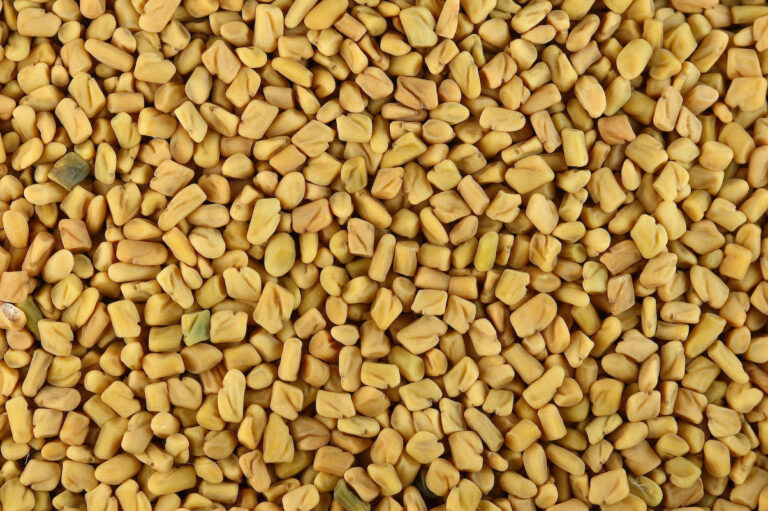
Fenugreek
A small golden seed that has flavoured curries and fed nursing mothers for thousands of years, from ancient Egypt to India. Its maple-syrup aroma is the same one that famously lingers on the skin of people who take it.
Valerian
Valerian has been the classic "sleep root" since the days of Hippocrates and Galen, and it's still one of the most-used herbs for restless nights and nervous tension. Here's how tradition uses it, what the research on sleep really shows, why it can take a few weeks to work, and who should skip it.
Mustard Seed
The seed in your mustard jar was once the go-to chest plaster and digestive spice. Here's how it was used, what the research says, and why mustard plasters can burn.