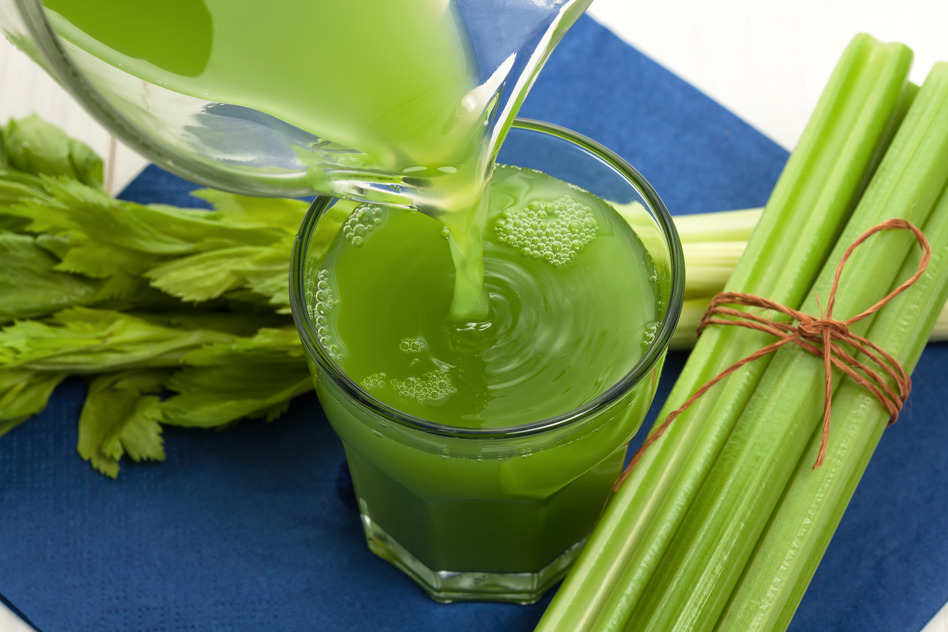
Cool, sharp and gingery — the green glass people sip when a migraine day leaves them drained, queasy and running on empty. Here’s how to make it, why people reach for it, and when a headache needs more than a juice.
Similar Posts
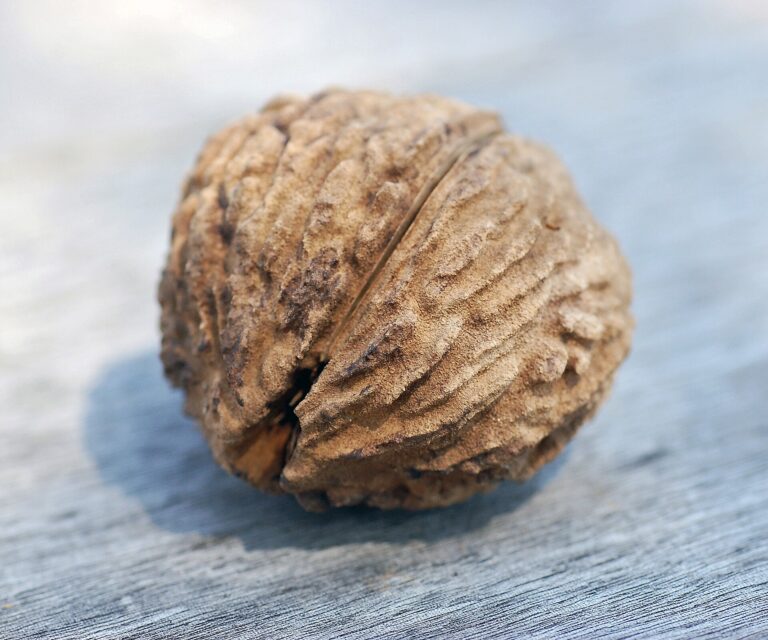
Black Walnut Hull
Black walnut hull is the bitter, dark-staining husk at the heart of the classic "wormwood, black walnut and clove" parasite cleanse. Members can read its traditional story, what the research does and doesn't show, and the safety points to know first.
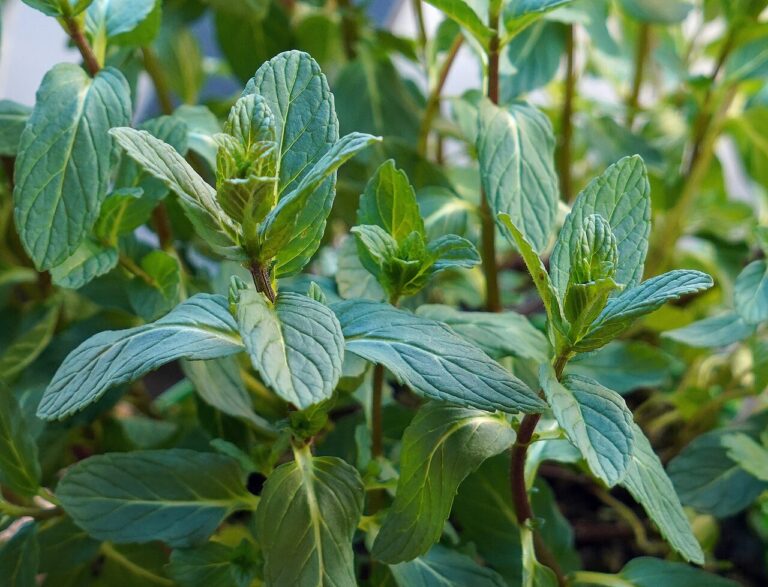
Spearmint
Spearmint is the gentle, sweet mint of Moroccan tea and the herb garden — and it has become the tea women with PMOS talk about. Members can read what it's traditionally used for, the hormone research, and how to drink it well.
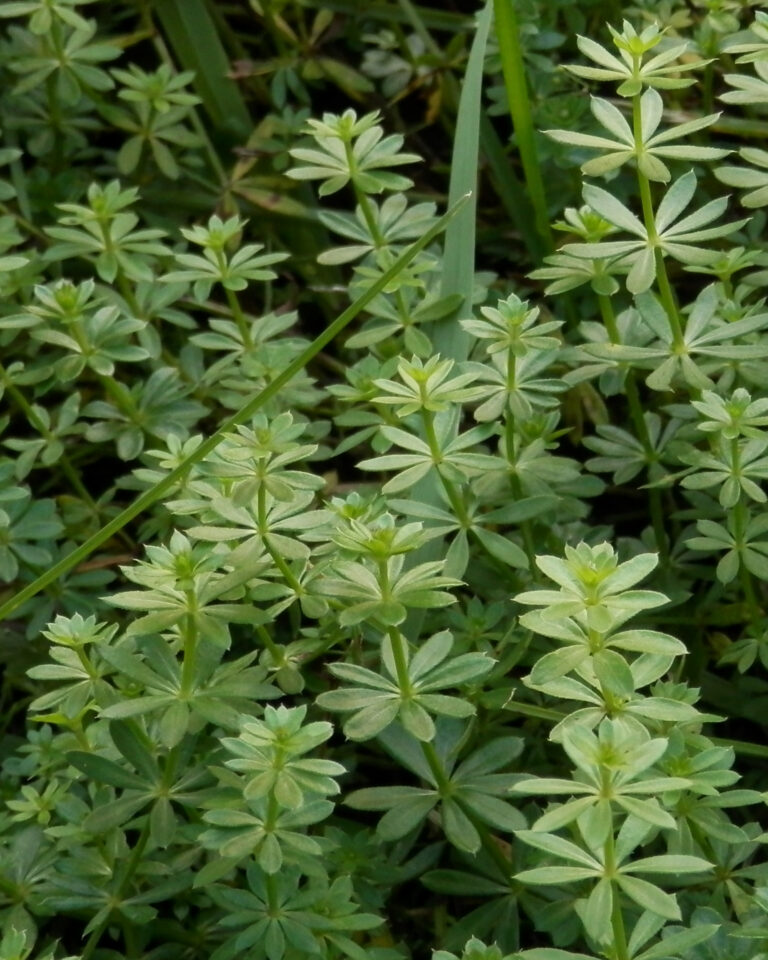
Red clover and cleavers tea (the lymph cup)
The two herbs Western herbalists have reached for longest when they are thinking about lymph, brewed as a simple spring tea. Members get the method, what people make it for, and the care list red clover comes with.
Ashwagandha (Withania somnifera)
One of Ayurveda's most prized rejuvenating roots, taken for centuries to build strength and help the body cope with stress. Members use it today for calm, sleep, energy and everyday resilience.
Ginger slices in raw honey (the jar on the counter)
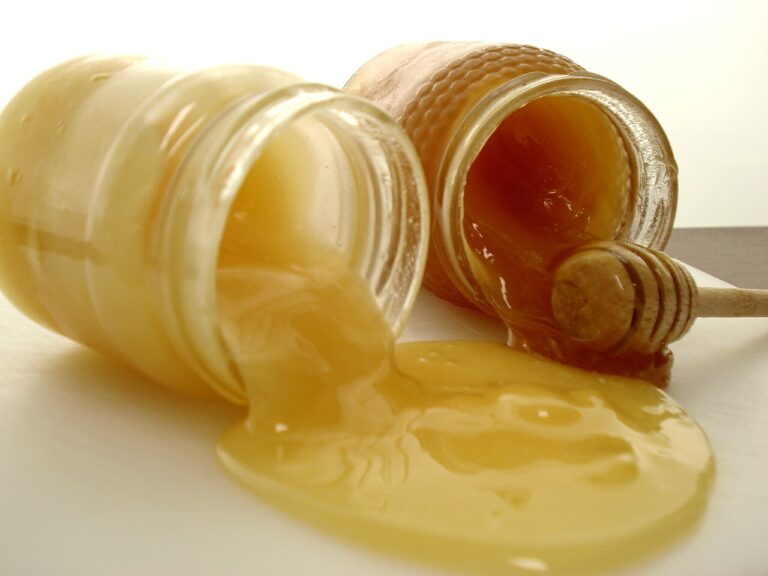
Thin ginger slices packed into raw honey and left in a jar: one of the oldest kitchen remedies there is, and one of the few with real research behind it. Members get the method, the honest story on honey and coughs, and the two kitchen rules that keep the jar good.
Rosehip
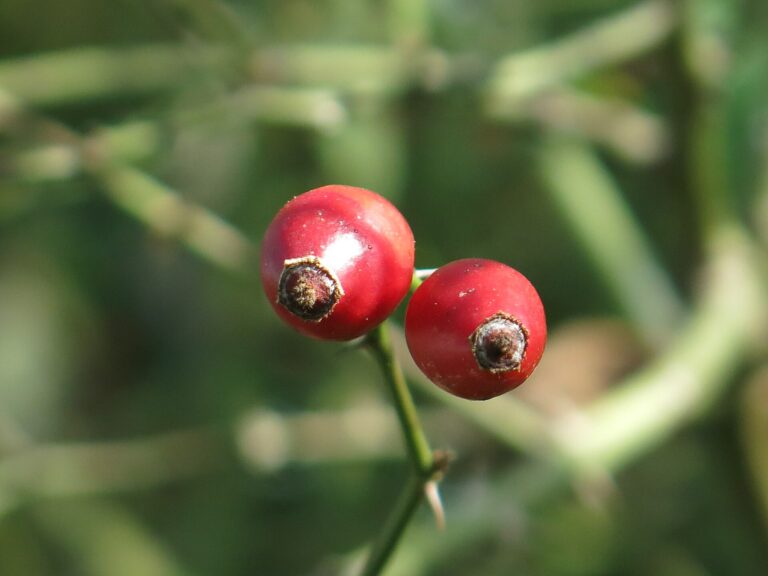
The bright red fruit left on wild roses after the petals fall has been brewed into a warming winter tea for generations, from Indigenous communities in British Columbia to European kitchens. This profile covers its traditional uses, the joint research that put rosehip powder on the map, and who should go easy on it.