Live cultures for the gut: what the research shows strain by strain — from antibiotic days to IBS and colic — how to read a label, and who should check first.
Similar Posts
Neem
Neem is a bitter Indian tree that Ayurveda has used for centuries, and it turns up in many parasite and candida cleanses today. Members get the full entry: what the lab and small human studies show, how people take the leaf, and why neem oil should never be swallowed.
St. John’s Wort
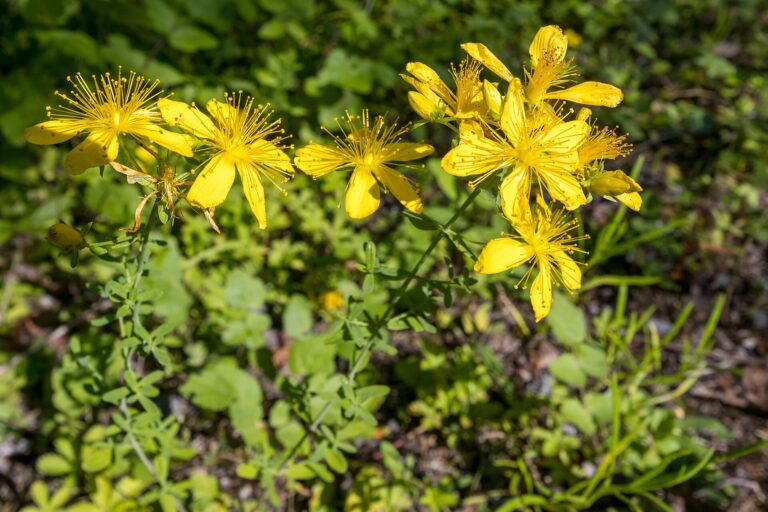
A bright yellow summer flower named after St. John, gathered around Midsummer and steeped in oil until it turns blood-red. Europe has used it for low spirits, nerves and skin for centuries, and today it's one of the most-studied herbs for mood. It also has more drug interactions than almost any other herb, so this page starts its Safety section there.
Omega-3 Fish Oil
Fish oil carries EPA and DHA, the long-chain omega-3 fats found in oily fish. Here's how folk medicine and naturopaths have used it, from cod liver oil for "aches and pains" to heart and brain support, and what the big trials found.
Soursop (Graviola)
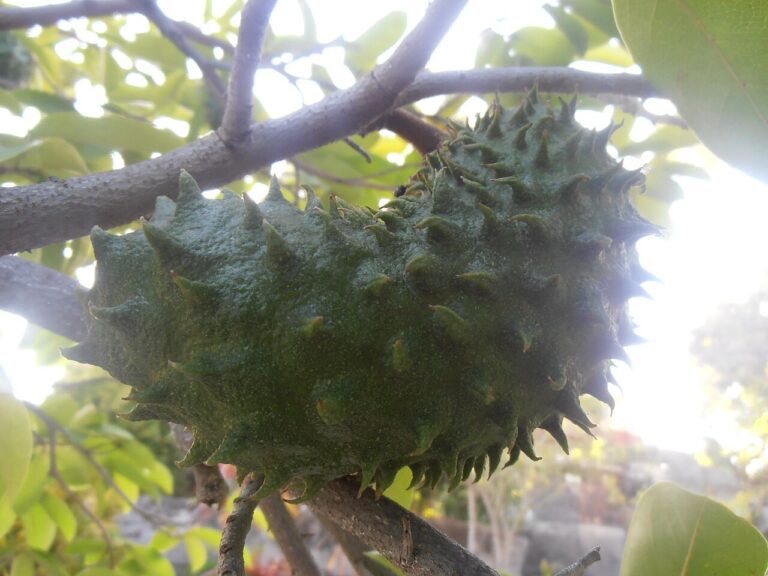
A tropical fruit tree whose leaves have been brewed as a folk tea across the Caribbean, Latin America and Africa for generations. Here's what tradition says, what the research has (and hasn't) shown, and the safety points every user should know first.
Constipation: natural options
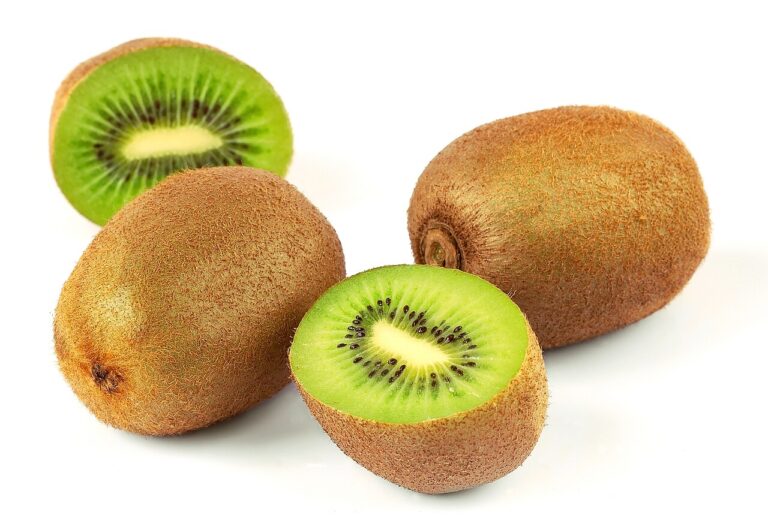
Kiwifruit, prunes, psyllium, mineral-rich water, magnesium, toilet posture and belly massage: the vault's full guide to the natural options people use for constipation, with each one labelled by how good the evidence is and the warning signs that mean see a doctor first.
Fennel
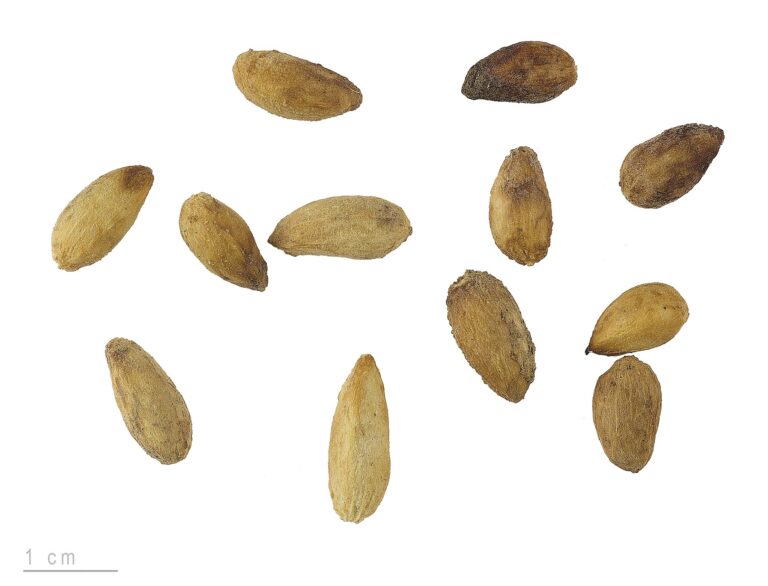
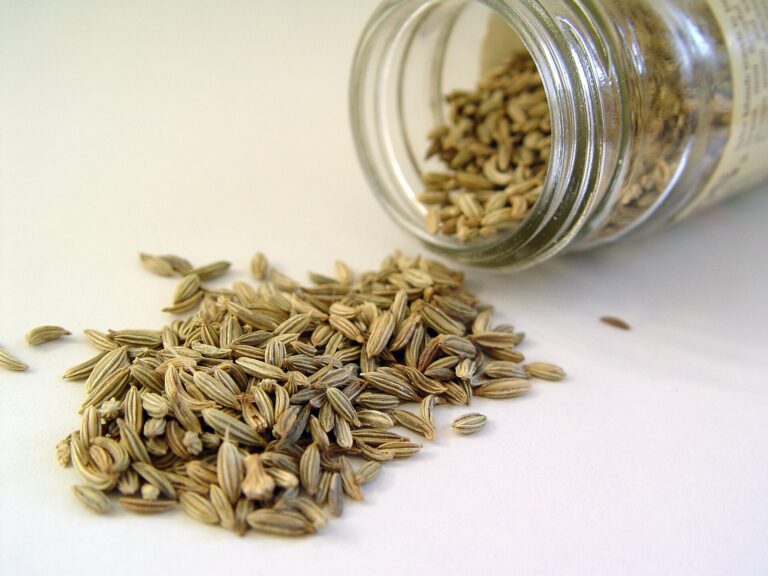
Fennel seed is the sweet, licorice-like seed behind many after-dinner teas, traditionally used to ease bloating and gas. Members can read what the research says, typical amounts from the official European monograph, and who should skip it.