One of the oldest and simplest comfort practices there is: a few inches of warm water and fifteen quiet minutes. Here’s why people have kept the sitz bath around for well over a century, how it’s done well, and when to call your doctor instead.

Similar Posts
Abhyanga (Ayurvedic Self Oil Massage)
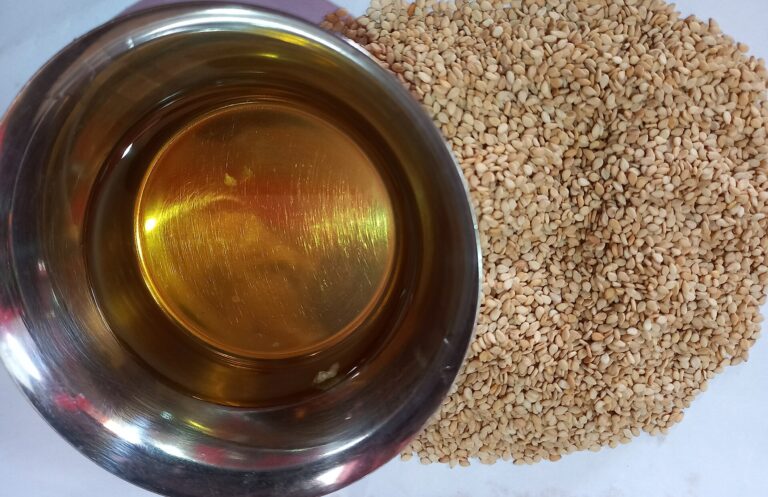
Abhyanga is the Ayurvedic habit of rubbing warm oil into your whole body, scalp to soles, before a shower. Classical texts list it as a daily routine for skin, sleep and steadiness, and two small trials found people felt less stressed after it. Here's how it's traditionally done, what the research does and doesn't show, and the safety points that matter most: slippery floors, skin allergies and babies' skin.
Pumpkin Seed
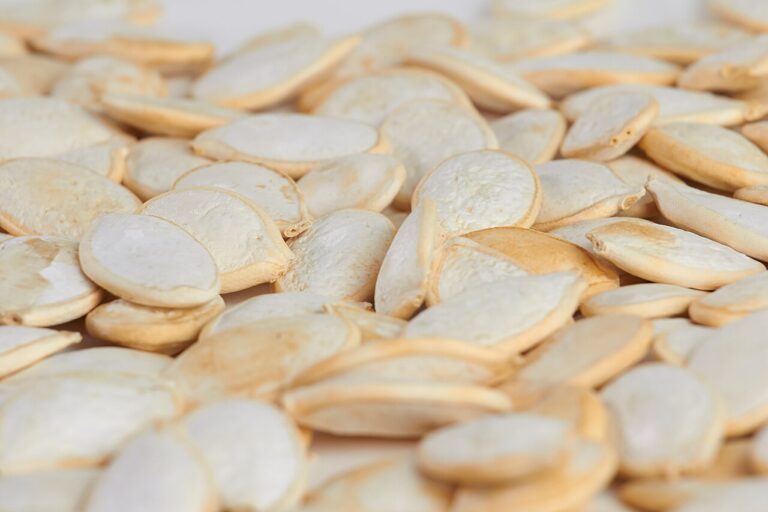
Pumpkin seed is one of the few everyday foods with an official European herbal monograph, for men's night-time bathroom trips and an overactive bladder. Members get the full profile: every traditional use, the large prostate trial and what it really showed, the official amounts, and who should check first.
Marshmallow Root
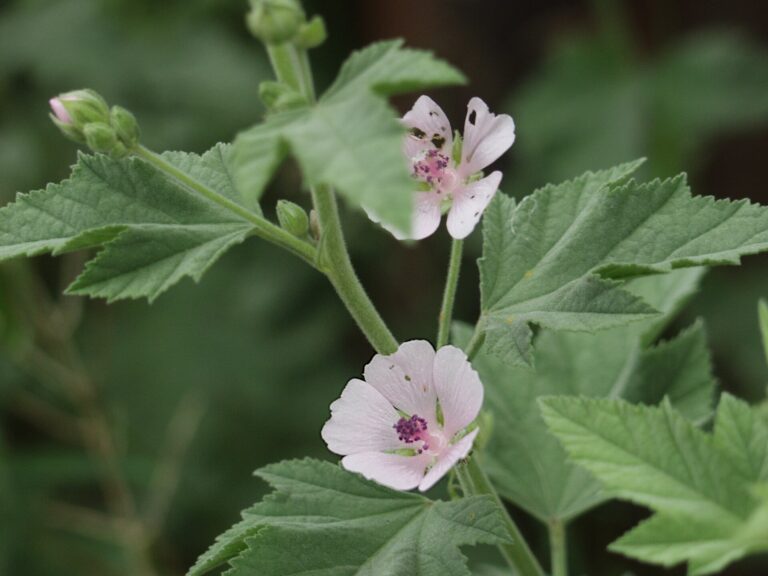
Marshmallow root (the plant, not the candy) is a soft root that turns slippery in water. Herbalists have used it for over 2,000 years to soothe the throat and an irritated gut. Members can read what the research really shows, the typical amounts in the European monograph, and the medicine-timing point to know first.
Chanca Piedra
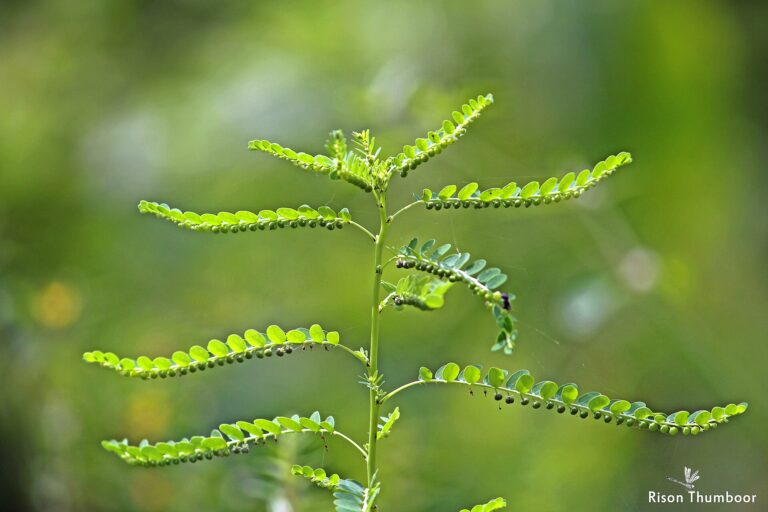
Chanca piedra, the "stone breaker" herb of Brazil and India, is a popular tea for kidney, urinary and liver support. Here is its history, what the small studies on kidney stones and hepatitis B actually found, typical amounts, and the cautions to know first.
Slippery Elm
Slippery elm is a North American tree bark that turns silky and gel-like in water, and it's a favourite gentle "soother" in gut-focused routines. Members can read its long history, what the (thin) research shows, and the timing and safety points to know first.
Berberine
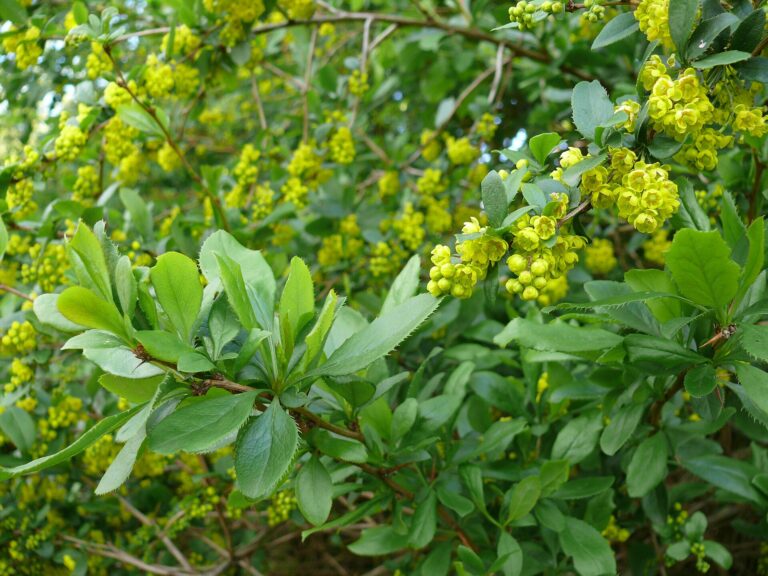
Berberine is the bright-yellow compound behind some of the oldest bitter remedies in Ayurveda and Chinese medicine, from Indian barberry to Chinese goldthread. Today it is one of the most-studied plant compounds for metabolic health, and one of the most interaction-prone, so it is worth reading the safety section first.