
One plant, three remedies: the soothing bath for itchy skin, the bowl for a healthy heart, and the milky green tops old herbalists gave to frazzled nerves.
Free remedies by email
Simple natural remedies and detox tips from Clif. Unsubscribe anytime.
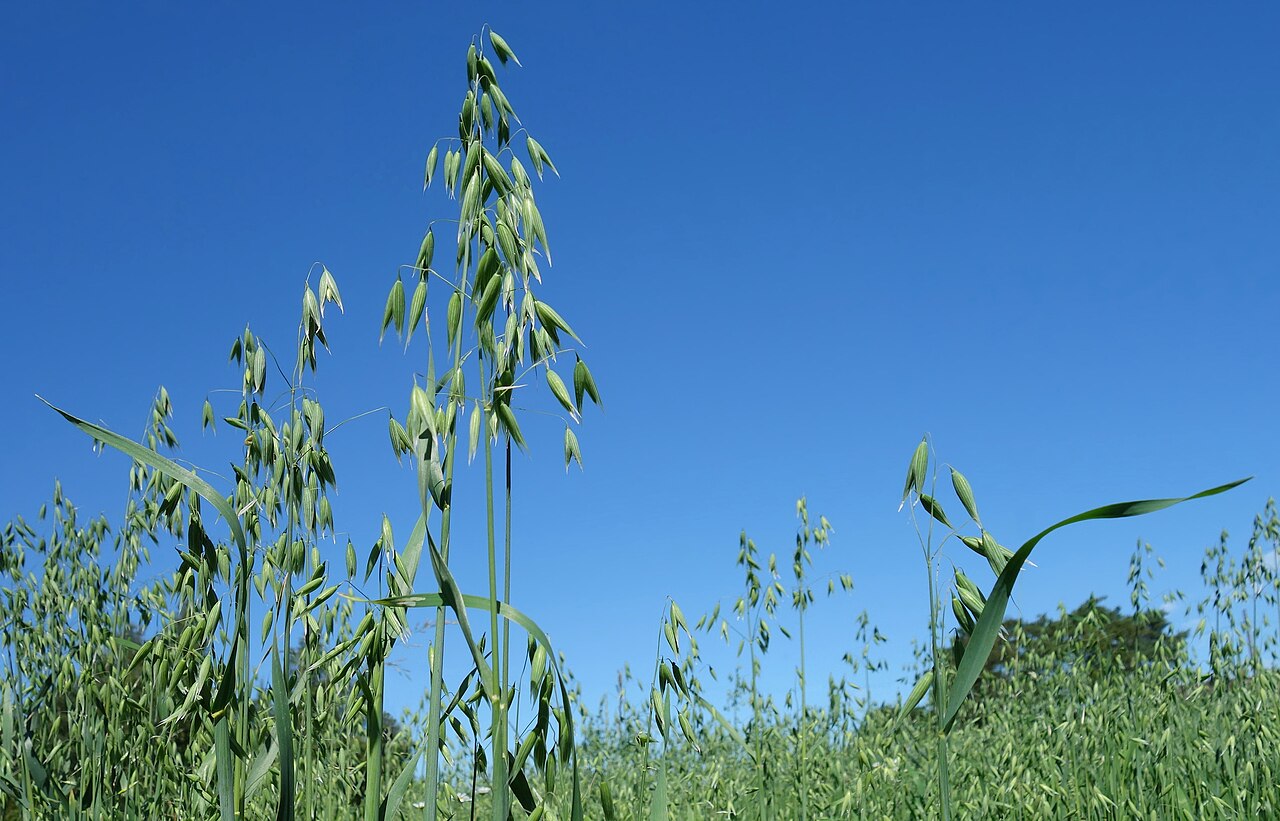
One plant, three remedies: the soothing bath for itchy skin, the bowl for a healthy heart, and the milky green tops old herbalists gave to frazzled nerves.
The full guide, with how to use it and the safety notes, is in the Remedies Vault.
Simple natural remedies and detox tips from Clif. Unsubscribe anytime.
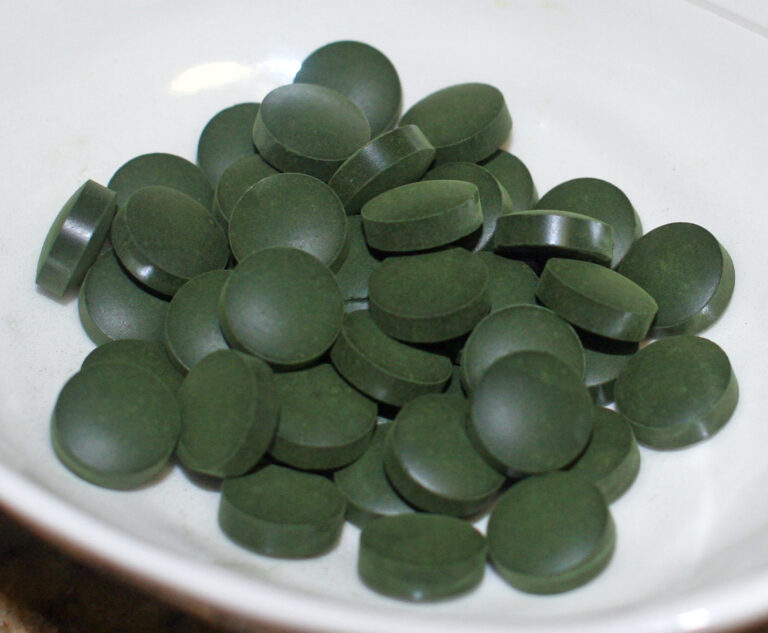
Spirulina is a deep blue-green algae powder that's been eaten as food for centuries, and many detoxers add it to smoothies during heavy-metal and liver routines. Members get the full entry: what the small studies found, typical amounts, and why where your spirulina comes from matters more than almost anything else.
The full guide, with how to use it and the safety notes, is in the Remedies Vault.
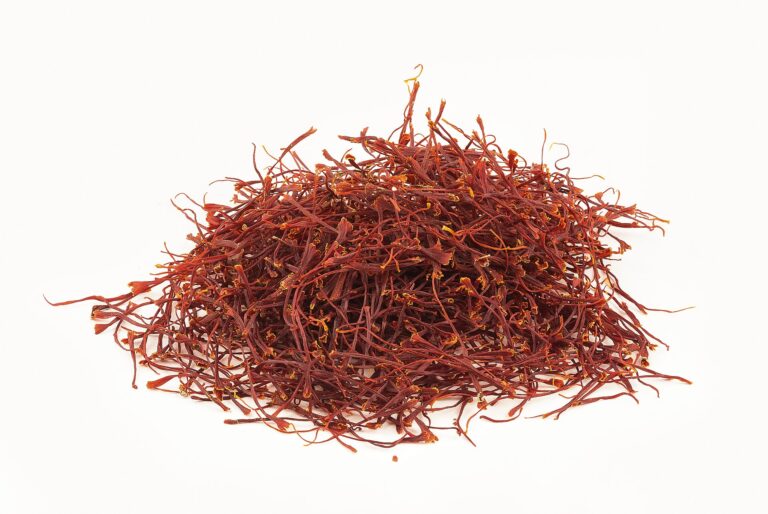
The world's most expensive spice is also one of the oldest mood herbs on record: Persian physicians called it a heart-gladdener, and modern trials have tested it for low mood and PMS. This profile covers how tradition uses it, what the research shows, and why "more" is not better with saffron.
The full guide, with how to use it and the safety notes, is in the Remedies Vault.
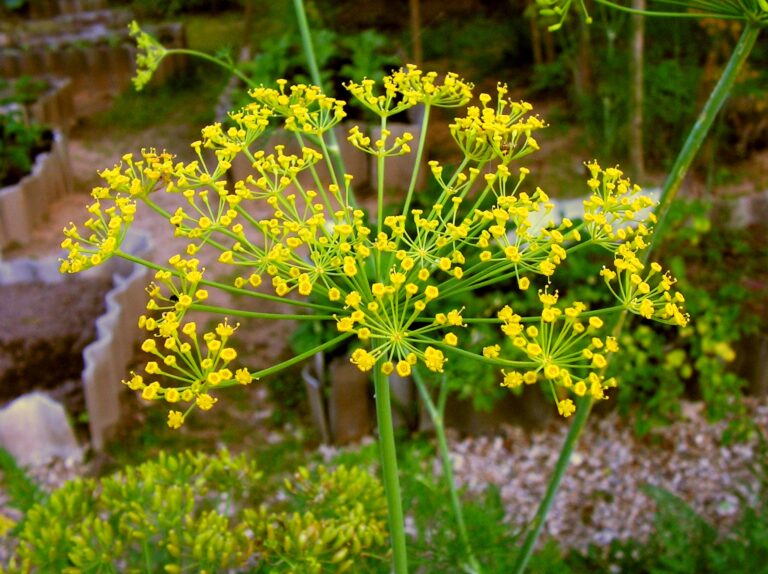
The feathery pickle herb is also one of the oldest "wind" seeds, brewed after meals, taken in Ayurveda for digestion and breast milk, and used as the original base of gripe water. Members can see what traditions use it for, what small studies show, and who should keep to kitchen amounts.
The full guide, with how to use it and the safety notes, is in the Remedies Vault.
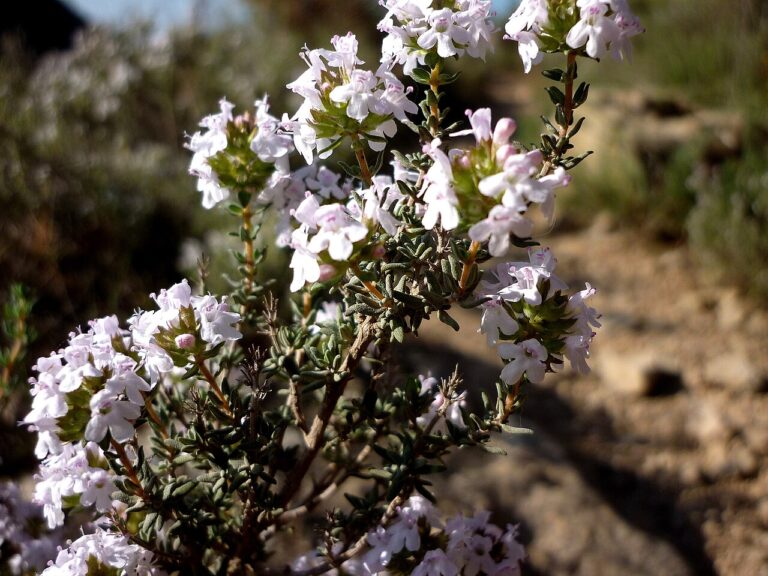
The kitchen herb behind many old-fashioned cough syrups and mouthwashes. Thyme has been used for chesty coughs, sore throats and digestion since ancient Greece, and it's still an approved traditional cough remedy in Europe.
The full guide, with how to use it and the safety notes, is in the Remedies Vault.
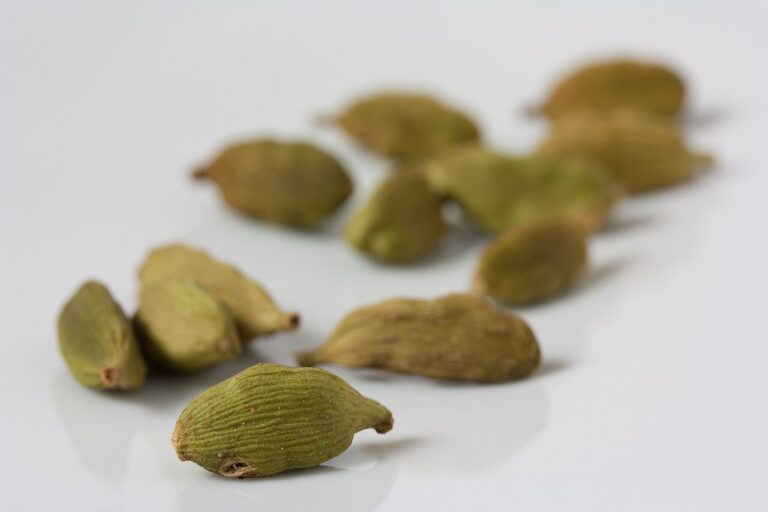
The cup people reach for right after a big meal — two kitchen spices with a long history of settling things down.
The full guide, with how to use it and the safety notes, is in the Remedies Vault.
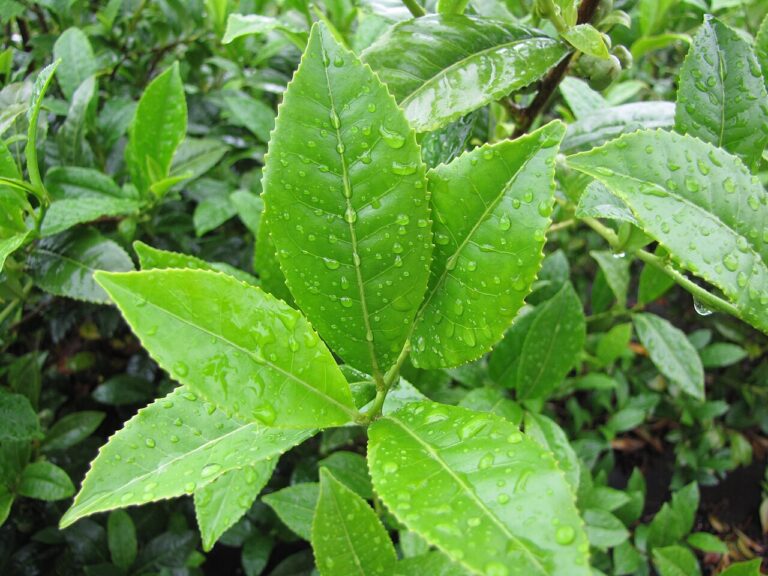
The tea plant was first grown in China thousands of years ago, and a Japanese monk wrote in 1211 that tea was a medicine for long life. Today green tea is one of the world's most-loved daily drinks, and its leaf and extracts are some of the most-studied plant compounds there are.
The full guide, with how to use it and the safety notes, is in the Remedies Vault.