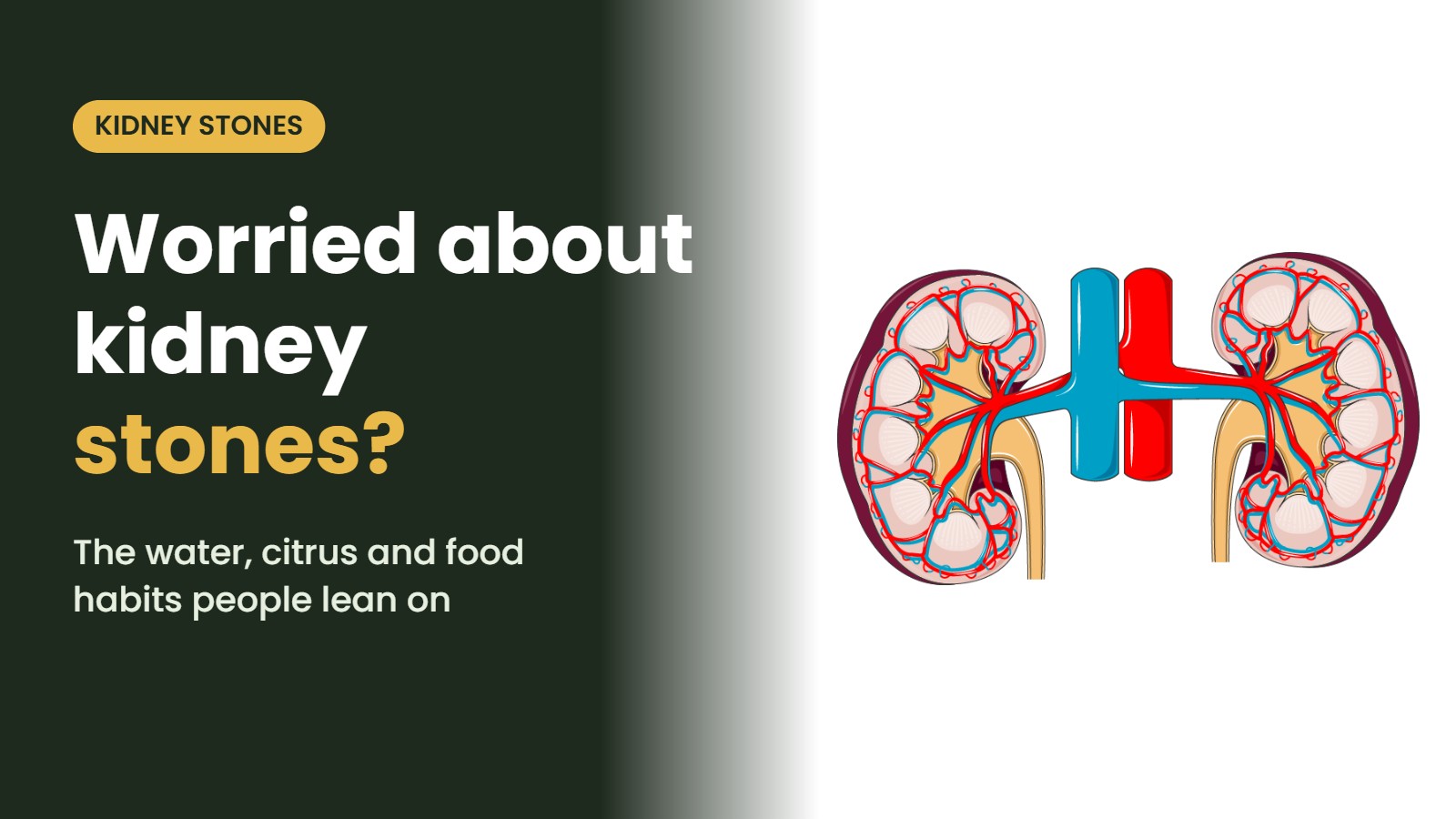
Anyone who has had a kidney stone remembers it. The pain often arrives out of nowhere, comes in waves, and has people pacing the floor at 3 a.m.
So it’s no wonder so many people go looking for natural remedies for kidney stones once the first one has passed. The big question is usually the same: what can I do at home so I’m not back here again?
The encouraging part is that most of what people lean on is simple: water, citrus, how you pair your foods, and a few traditional herbs. Here’s what each one is about, who should go easy, and the signs that mean a stone needs a doctor today. For the bigger picture, see our natural remedies for kidney health page in the Remedy Library.
Quick take
- Water comes first: people who’ve had a stone aim for enough fluid to make about 2 to 2.5 litres of pale urine a day.
- Lemon and lime bring citrate, and calcium-rich foods eaten with meals pair with oxalate in the gut.
- Chanca piedra, the “stone breaker” herb, has a long traditional history; the modern studies are small.
What a kidney stone is, and why people get them
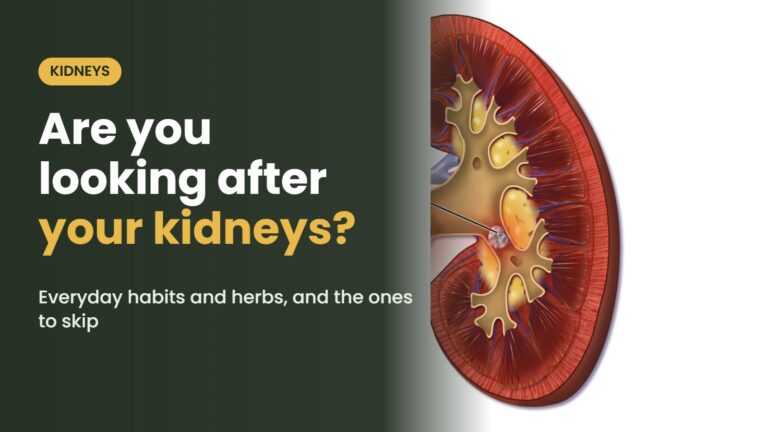
A kidney stone is a hard little crystal that forms when urine holds more minerals than it can keep dissolved. Roughly 1 in 10 people will have one at some point, according to the US National Institute of Diabetes and Digestive and Kidney Diseases (NIDDK).
Most are calcium oxalate. Others are made of uric acid, calcium phosphate, struvite (after some urinary infections) or, rarely, cystine. Knowing your type matters, because the food habits differ a little between them.
The things that tend to bring people to this topic:
- A sharp, cramping pain in the side or back, below the ribs, that can spread to the belly or groin
- Pain or burning when peeing, or needing to go often
- Pink, red or brown urine, or cloudy, strong-smelling urine
- Nausea that comes with the pain
- A past stone, a family history, or a doctor saying “you’ve got crystals”
Common reasons the odds go up: not drinking much (or sweating a lot in hot weather or hard work), a salty diet, a lot of meat, sugary drinks, carrying extra weight, gout, diabetes, bowel conditions like Crohn’s, and weight-loss surgery. Once you’ve had one stone, the chance of another goes up too.
Natural remedies for kidney stones people lean on first
Water, and plenty of it
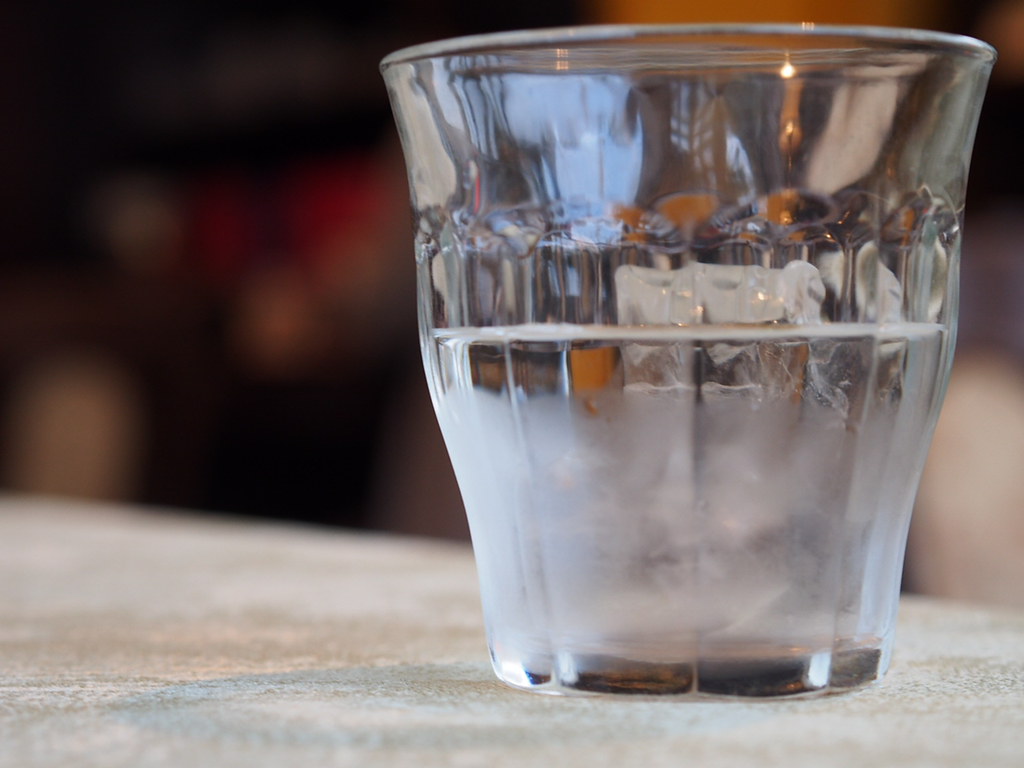
This is the habit nearly everyone agrees on. More fluid means more dilute urine, and minerals have a harder time clumping together.
The American Urological Association suggests people who’ve had stones drink enough to pass at least 2.5 litres of urine a day, and NIDDK gives a similar target. For many adults that works out to around 3 litres of fluid (about 12 cups) spread through the day, more in heat or with exercise. The Kidney Foundation of Canada gives the same kind of advice. A simple check people use: pale yellow urine most of the day.
Lemon, lime and a little citrate
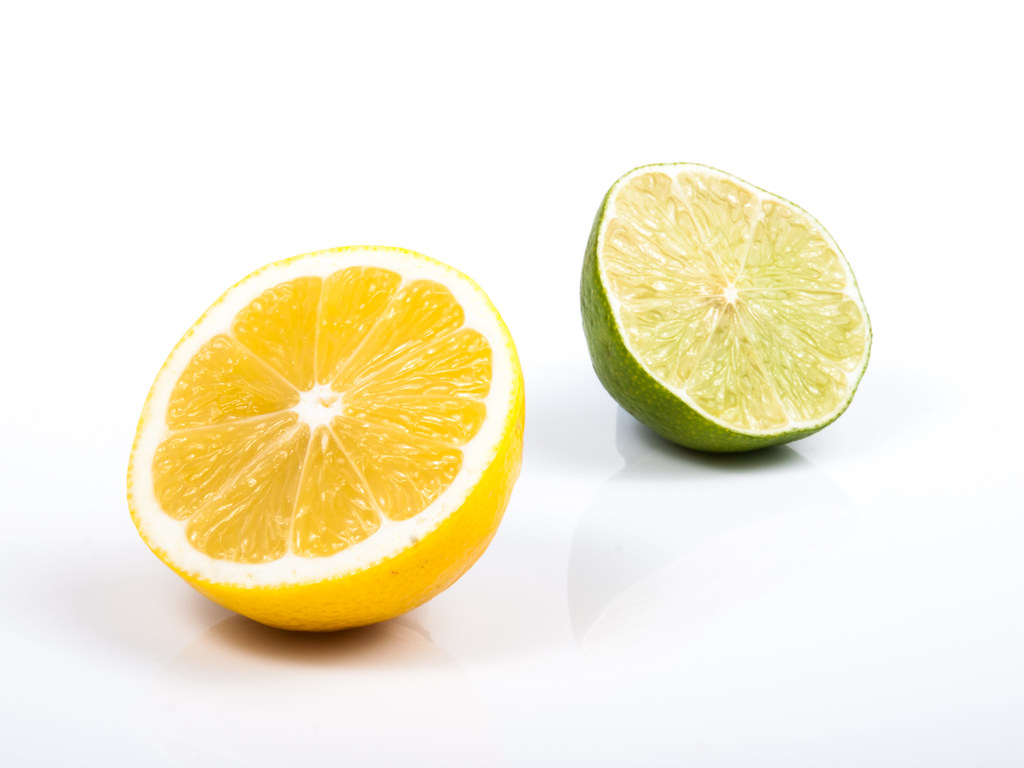
Citrate is a natural stone inhibitor in urine: it binds calcium and keeps crystals from growing. Lemons and limes are rich in it, which is why lemon water has become such a popular kidney habit.
Some kidney stone clinics suggest about half a cup (4 oz) of lemon or lime juice a day, mixed into water and sipped through the day, without added sugar. Check with your doctor first, especially if you have reflux, and drink it through a straw or rinse with water afterwards to go easy on your tooth enamel. Doctors sometimes prescribe potassium citrate when the urine is low in citrate; that’s a medicine, so it’s their call.
Most of what people do about kidney stones happens at the kitchen tap and on the dinner plate.
The food habits that go with it
Keep calcium in, and eat it with meals
It sounds backwards, but cutting calcium tends to make calcium oxalate stones more likely. Calcium from food meets oxalate in the gut and leaves with it, instead of reaching the kidneys.
The daily amount for most adults is 1,000 mg, or 1,200 mg for women over 50 and everyone over 70 (NIH Office of Dietary Supplements; Canada uses the same values). People usually get it from dairy, fortified plant milks, canned salmon or sardines with bones, and tofu made with calcium. If you take a calcium supplement, ask your doctor whether it fits, and take it with food.
Pair high-oxalate foods, rather than fear them
Spinach, rhubarb, beets, almonds, cashews, sweet potatoes and strong black tea are all high in oxalate. Unless your doctor has told you to cut them, many people simply eat them alongside a calcium food, like spinach with cheese or almonds with yogurt, and keep portions sensible.
Ease up on salt, sugary drinks and big portions of meat
- Salt: more sodium means more calcium in the urine. The Dietary Guidelines for Americans say under 2,300 mg a day, and Health Canada uses the same limit. Most of it comes from packaged and restaurant food. Our blood pressure foods and habits post has easy swaps.
- Meat, fish and eggs: large portions raise uric acid and lower citrate. A plant-forward plate (the DASH pattern) is what many stone clinics point people to.
- Sugary drinks: sodas and sweetened juices high in fructose have been tied to more stones in large studies.
- High-dose vitamin C: supplements of 1,000 mg or more have been linked to more stones in men, because the body turns some vitamin C into oxalate. Food sources are fine.
Chanca piedra and the traditional herbs
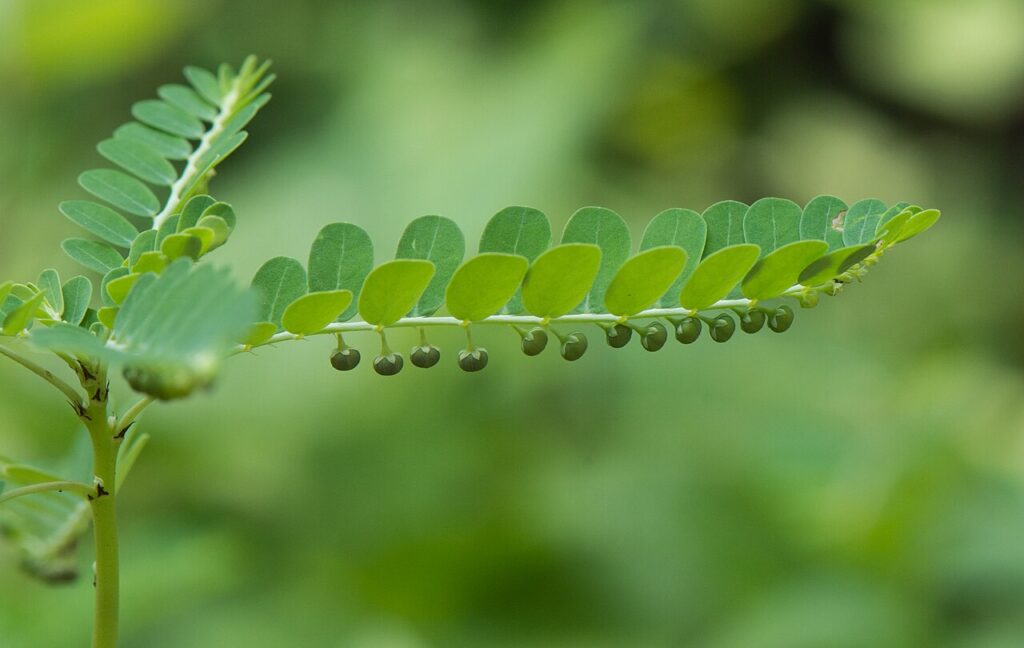
Chanca piedra (Phyllanthus niruri) means “stone breaker” in Spanish. It’s a small leafy plant used for generations in the Amazon and in Ayurveda (where it’s called bhumyamalaki), traditionally taken as a tea for kidney and bladder stones and for the liver.
It’s being studied for how it may affect crystal formation, and a few small trials in people with stones looked at urine minerals and how stones passed. The research is still small and early, so it’s best seen as a traditional option to talk over with your doctor.
US note: the FDA doesn’t approve herbal products or set doses for them, and Health Canada hasn’t published an official dose for chanca piedra either. Amounts vary by product; follow the label and check with your doctor first.
Who should skip it or ask first: pregnancy or breastfeeding, anyone on diabetes medicine (it may lower blood sugar), blood pressure medicine, lithium or water pills, and blood thinners.
Gentle diuretic teas such as dandelion leaf and nettle leaf are other traditional kidney favourites; we cover them in kidney support: the everyday habits and herbs traditionally used.
Also available: a kidney health program
If you like having everything in one place, there’s a step-by-step kidney health program, a guide rather than a supplement, sold by an outside company. It covers kidney health in general, not stones alone, and it’s meant to sit alongside your doctor’s care, not replace it.
Sponsored link. If you buy through it, Clif may earn a commission at no extra cost to you. The claims on the seller’s page are theirs, not ours, and haven’t been checked by us. It’s not a substitute for seeing your doctor.
Who should go easy
- Kidney disease or heart failure: you may have a fluid limit or a potassium limit, so ask before drinking much more or adding citrate.
- Reflux or sensitive teeth: go gently with lemon juice, dilute it well, and use a straw.
- On prescribed medicine for stones: keep taking it; these habits sit alongside it.
- Children and pregnancy: stones need a doctor’s guidance, not home herbs.
When to see a doctor
Get help the same day, or go to the emergency department, if you have:
- Severe pain in your side or back that won’t settle, or pain so bad you can’t sit still
- Fever or chills with the pain (a stone plus infection is an emergency)
- Vomiting so you can’t keep fluids down
- Trouble peeing, or very little urine
- Blood in your urine, or pain with only one working kidney
Once things calm down, it’s worth asking your doctor to send any stone you pass (a simple strainer catches it) for analysis, and about a 24-hour urine test. Those two results show which of the habits above matter most for you.
Questions people ask
What is the best natural remedy for kidney stones?
Water, by a long way. Drinking enough to make about 2 to 2.5 litres of pale urine a day is the habit nearly every guideline starts with. Citrus, calcium with meals, less salt and a plant-forward plate come next.
Does lemon water help with kidney stones?
Lemon and lime juice add citrate, which helps keep calcium from forming crystals, and the extra water helps too. Some clinics suggest about half a cup of juice a day diluted in water. Check with your doctor first if you have kidney disease or reflux.
Try this today
Fill a large bottle with water, squeeze in half a lemon, and keep it in sight. Finish it by lunch, refill it for the afternoon, and check that your urine is pale yellow by evening.
Go deeper in the Vault
Start with our natural remedies for kidney health page, then see the Kidney & Urinary Comfort Protocol. Members get the full Kidney Health guide with the herb, supplement and recipe profiles behind it. See what’s in the Vault.
Educational only, not medical advice. This information has not been evaluated by the FDA or Health Canada and is not intended to diagnose, treat, cure, or prevent any disease. Talk to your healthcare provider before starting any remedy, supplement, or detox, especially if you are pregnant, nursing, taking medication, or managing a health condition. Read our full Medical Disclaimer.