
Type 2 diabetes is a long-term condition where the body doesn’t use insulin well, so blood sugar runs too high. It’s very common and very manageable, with daily habits, regular check-ups and, for many people, medication. This page is about living well alongside your medical care, not instead of it. For everyday blood sugar habits, see Blood Sugar.
Get medical help first if…
- someone with diabetes is confused, can’t stay awake, or can’t swallow safely. Call 911.
- you have chest pain, shortness of breath, or signs of a stroke (face drooping, arm weakness, trouble speaking). Call 911. People with diabetes can have heart attacks with milder or unusual symptoms.
- you’re vomiting, breathing fast, very thirsty, or your readings stay much higher than your target. Contact your care team the same day.
- you have a foot sore, blister or cut that isn’t healing, or a red, warm, swollen area. Get it seen promptly.
- your vision changes suddenly
Everyday steps with the best support
- Follow your care plan and know your targets (A1C, blood pressure, cholesterol). Ask your doctor what they are for you.
- Use the plate method: half the plate non-starchy vegetables, a quarter protein, a quarter whole-grain or starchy food, with water to drink.
- Move most days (about 150 minutes a week) plus strength exercise twice a week. Check with your doctor first if you have heart, eye or foot problems.
- Check your feet every day for cuts, blisters or colour changes, and wear shoes that fit.
- Keep up yearly checks: eye exam, kidney tests, foot exam and dental visits.
- Don’t smoke, and keep alcohol low. Alcohol can cause low blood sugar, especially on an empty stomach.
- Learn the signs of low blood sugar (shaky, sweaty, hungry, confused) and how to treat it, especially if you take insulin or a sulfonylurea.
Remedies people traditionally use
People with diabetes often ask about herbs. Research on them is limited or mixed, and several can push blood sugar too low when combined with diabetes medicine. Only try one with your care team’s OK, and never in place of prescribed treatment.
- Cinnamon: fine as a food spice; evidence for supplements is mixed. “Cassia” cinnamon contains coumarin, which can harm the liver in large amounts.
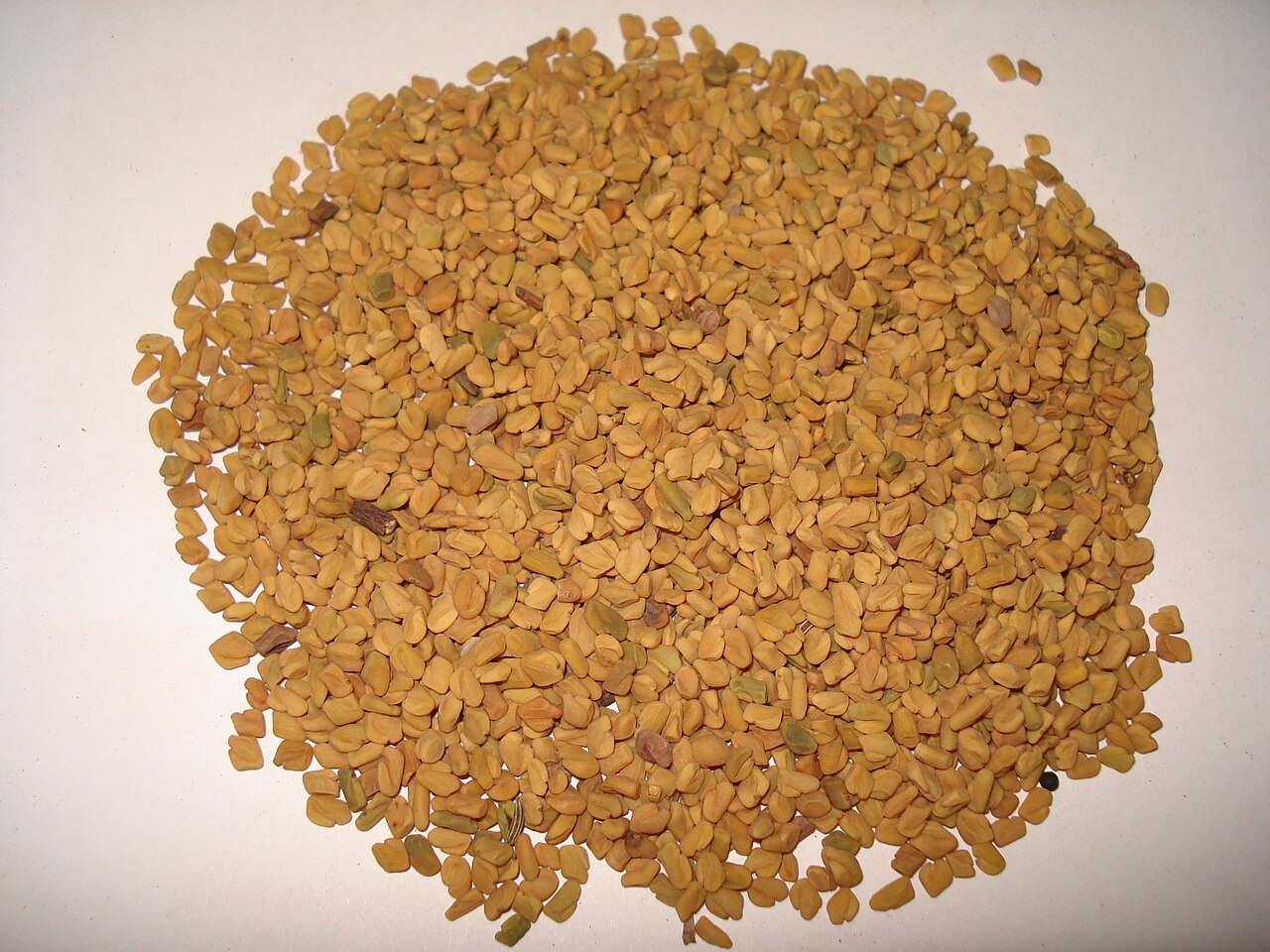
- Fenugreek: traditional seeds high in fibre. Avoid in pregnancy; can add to the effect of diabetes medicine.
- Bitter melon: a traditional food-remedy with limited evidence. It can lower blood sugar alongside medication and isn’t for pregnancy.
- Berberine: well studied compared with most herbs, but it interacts with many medicines. Only with your doctor or pharmacist’s input.
Worth knowing: never stop or cut back insulin or diabetes pills on your own, even if your readings improve. Talk to your care team, because doses often need to change together with diet and activity changes. Diabetes supplement products that promise to “reverse” or “cure” diabetes should be treated with caution.
Check with your doctor or pharmacist before starting anything new, especially if you’re pregnant, nursing, on medication or managing a health condition.
Related
Sources
- NIDDK: Type 2 Diabetes
- NIDDK: Low Blood Glucose
- Diabetes Canada
- NCCIH: Diabetes and Dietary Supplements
Affiliate notice: this page contains affiliate links. If you buy through them we may earn a commission at no extra cost to you. How we choose products.
Educational only, not medical advice. This information has not been evaluated by the FDA or Health Canada and is not intended to diagnose, treat, cure, or prevent any disease. Talk to your healthcare provider before starting any remedy, supplement, or detox, especially if you are pregnant, nursing, taking medication, or managing a health condition. Read our full Medical Disclaimer.