Itchy at night. Bloated for weeks. A stomach that hasn’t felt right since that trip. Sooner or later, a lot of people type the same question into a search bar: could it be parasites?
Then comes the next one: what can I eat? Kitchens around the world have answers ready. Pumpkin seeds. Papaya seeds. Garlic. Cloves. Pineapple, coconut and carrots.
Here’s what each is traditionally used for, what research has looked at, and when a stool test beats guessing.
Quick take
- Pumpkin seeds, papaya seeds, garlic, cloves, pineapple, coconut and carrots are the foods people reach for most when they’re worried about parasites.
- Pumpkin and papaya seeds have a few small human studies behind them; the rest lean on tradition and lab work.
- Cooking, washing and safe water come first, and a stool test tells you what you’re actually dealing with.
Why people start wondering about parasites
Usually something nudges people here:
- Bloating, gas or loose stools that come and go for weeks
- An itchy bottom at night, especially in a child
- A stomach that changed after travel, camping, or drinking from a stream or well
- Tiredness, cravings or weight changes with no clear reason
- A new puppy or kitten in the house, or a child in daycare
- A late-night social media post that made a lot of sense
Some of these have nothing to do with parasites; some do. In the US, the CDC notes pinworm is the most common worm infection, and Giardia, a one-celled parasite often picked up from untreated water, is a common cause of drawn-out diarrhea. The Public Health Agency of Canada lists the same two as everyday culprits.
Pumpkin seeds: the classic
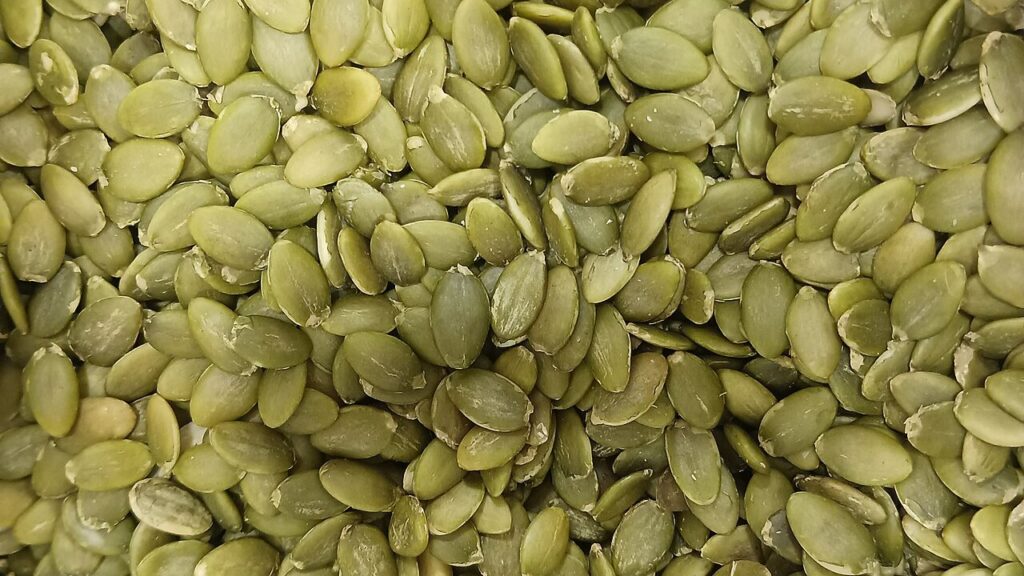
If one food is tied to parasites in folk medicine, it’s pumpkin seeds. Healers in the Americas, Europe and China all used them for intestinal worms.
People point to cucurbitine, an amino acid in the seeds that seems to slow worms down in lab and animal work, which is why old recipes paired the seeds with a laxative.
One human study keeps getting cited: in China in 2012, about 115 people with tapeworm were given pumpkin seeds plus areca nut extract, and most passed the worm. Interesting, but areca nut isn’t a safe home ingredient (it’s linked to mouth cancer), and the study can’t show what pumpkin seeds do alone.
How people use them: a small handful of raw or lightly toasted pepitas a day, often in the morning, whole or ground into yogurt or a smoothie.
Papaya seeds: the peppery one
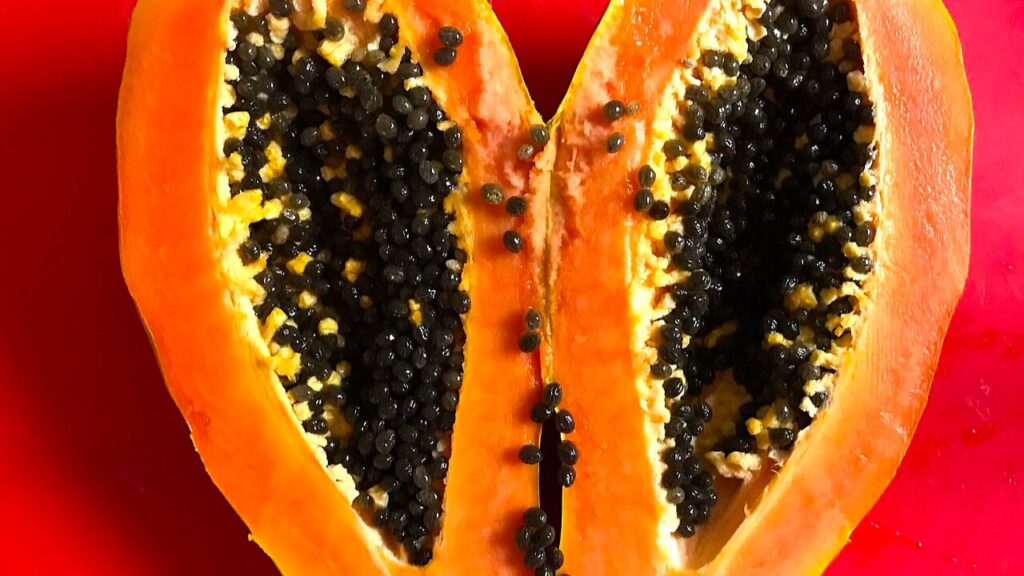
Most of us compost papaya seeds. In parts of Africa, Asia and Latin America they’re kept and chewed as a home remedy for worms. They taste sharp and peppery, like mustard cress.
They hold the enzyme papain and a compound called benzyl isothiocyanate, both studied in the lab against worms and their eggs.
The best-known human study is small. In Nigeria in 2007, 60 children with parasites in their stool got either an elixir of air-dried papaya seeds and honey or honey alone. About three in four in the papaya group had parasite-free stool tests a week later, compared with about one in six on honey. Small, but more than most kitchen remedies have.
How people use them: about a teaspoon of fresh seeds, chewed or blended with honey, starting small. Dried and ground, they’re used like pepper.
Food can be part of the picture. A stool test tells you what the picture actually is.
Garlic and cloves: the kitchen pair
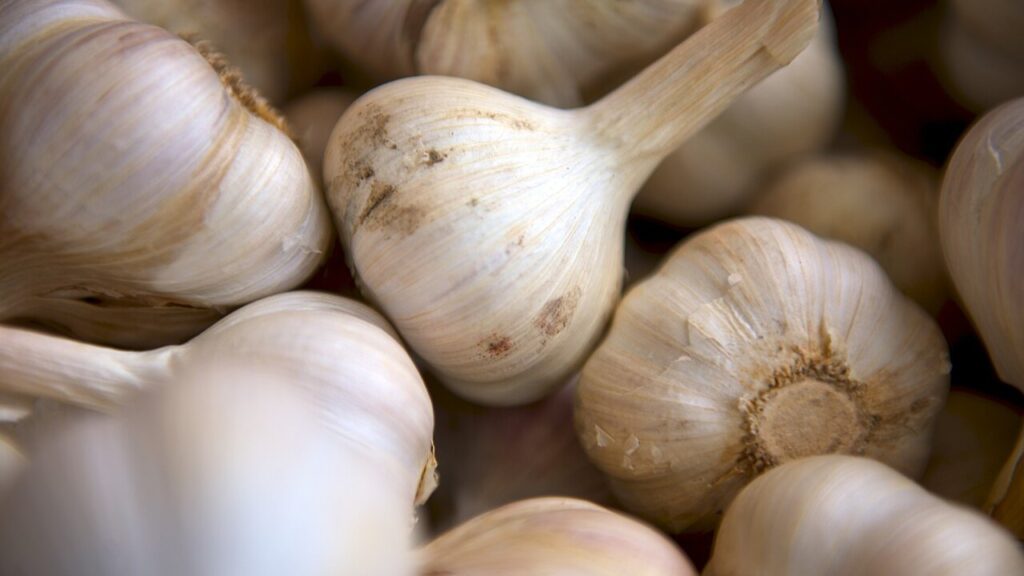
Garlic
Garlic may be the oldest gut remedy here. Crushing a raw clove releases allicin, the sharp compound behind its smell. Garlic extracts have been studied in the lab against Giardia and some worms, and naturopaths often add raw garlic to a gut-support plan. Human studies are scarce, so think of it as a supportive food.
How people use it: one or two raw cloves a day, crushed and left to sit for 10 minutes, then stirred into food (on an empty stomach it can burn).
Cloves
Cloves are the third herb in the famous parasite cleanse trio with black walnut and wormwood (we explain that trio in our parasite cleanse trio post). Their main compound, eugenol, has been studied in the lab against parasite eggs. In the kitchen, people use whole cloves in tea or clove water; see our clove water post for how, and why clove oil is never swallowed.
Pineapple, coconut and carrots
Pineapple
Fresh pineapple carries bromelain, protein-digesting enzymes that, like papain, have shown interesting early results against worms in lab and animal studies. Fresh matters: canning heats the enzymes away.
Coconut
Coconut and coconut oil turn up in South Asian and Pacific home remedies for worms. Lauric acid, its main fat, has been looked at in the lab against Giardia; studies in people are close to none, so this one rests on tradition.
Carrots
Grated raw carrot on an empty stomach is an old European folk habit for children with pinworm: rough fibre plus vitamin A, which the gut lining needs. No studies, but no downside either.
What about tequila, lemon and salt?
This one made the rounds on social media. Lemon and salt show up in plenty of traditional drinks, but there’s no sign a shot of tequila reaches worms or Giardia, and alcohol can leave an unsettled stomach feeling worse. Enjoy it for what it is.
Typical amounts
In the US: the FDA doesn’t approve supplements before they’re sold or set official doses for herbs, so there’s no US standard amount. The amounts above are ordinary food portions. For a capsule or extract, choose one with a USP or NSF seal, follow its label, and check with your doctor or pharmacist first. In Canada: look for an 8-digit NPN, which means Health Canada has reviewed the label.
Food safety comes first
The least exciting part does the most work. Most parasites picked up in North America come in through food, water or hands.
- Cook meat through. The USDA’s safe minimums: 145°F for whole cuts of beef, pork and lamb (then rest 3 minutes), 160°F for ground meat, 165°F for poultry. Health Canada’s chart is similar and a little stricter for some meats (for example, pork and ground meat to 71°C, poultry pieces to 74°C).
- Raw fish: the FDA’s food code calls for fish served raw to be frozen first (for example −4°F/−20°C for 7 days). Buy from a source you trust.
- Wash produce under running water, especially greens and berries.
- Treat or boil water from streams, lakes or untreated wells.
- Wash hands after the bathroom, diapers, gardening and pets; keep kids’ nails short if pinworm is going around.
- Deworm pets on your vet’s schedule.
Cleanse or test?
Some people try foods first; some go straight to an herbal cleanse. Naturopaths often suggest finding out what’s there before either. Parasite symptoms overlap with IBS and food intolerances, and a stool test (often several samples) points you in the right direction. We walk through it in Think you might have parasites? When to get tested.
If you and your doctor decide a traditional herbal cleanse is worth trying, some readers ask about The Parafy Kit, a ready-made kit built around those traditional herbs. If you’re planning one, our post on binders during a cleanse covers timing and what people pair with it.
Also available: a ready-made herbal parasite kit
The Parafy Kit is sold by an outside company. Read the label for exactly which herbs it contains and check them against the cautions below. Skip it if you’re pregnant or breastfeeding or buying for a child, and ask your doctor or pharmacist first if you take any medicine.
Sponsored link. If you buy through it, Clif may earn a commission at no extra cost to you. The claims on the seller’s page are theirs, not ours, and haven’t been checked by us. It’s not a substitute for seeing your doctor.
Who should go easy
- Pregnant or trying to conceive: skip papaya seeds and unripe papaya (they’ve affected fertility and pregnancy in animal studies); keep garlic to food amounts.
- Blood thinners or surgery coming up: large amounts of garlic or bromelain may add to bleeding risk; stop extras 2 weeks before surgery.
- Children: stick to normal food portions and talk to your child’s doctor before any cleanse product.
- Allergies: skip any food you react to; pineapple can cross-react with latex allergy.
- Sensitive stomachs or reflux: raw garlic and papaya seeds can be harsh; start small.
When to see a doctor
Get checked rather than waiting it out if you notice:
- Diarrhea lasting more than a week or two, or coming back again and again
- Blood in your stool, or black, tarry stools
- Fever, severe belly pain, or signs of dehydration (very little urine, dizziness)
- Worms or segments you can see in your stool
- Gut symptoms after travel abroad, camping, or drinking untreated water
- Unexplained weight loss
- Night-time itching in a child (a pharmacist can recommend an over-the-counter pinworm medicine in both the US and Canada, and often the whole household is treated)
For sudden severe pain, vomiting blood, or fainting, call 911 (US and Canada).
Try this today
Next time you cut a papaya or a pumpkin, save the seeds: taste a pinch of fresh papaya seeds, or toast the pumpkin seeds with a little salt. Then do the boring-but-mighty part and wash every bit of produce before it goes in the bowl.
Go deeper in the Vault
Members get the full Parasites hub, detailed entries on pumpkin seeds and papaya seeds, herb profiles for garlic and clove, and the free overview of the Parasite Cleanse Protocol. See what’s inside the Vault.
Educational only, not medical advice. This information has not been evaluated by the FDA or Health Canada and is not intended to diagnose, treat, cure, or prevent any disease. Talk to your healthcare provider before starting any remedy, supplement, or detox, especially if you are pregnant, nursing, taking medication, or managing a health condition. Read our full Medical Disclaimer.
Free remedies by email
Simple natural remedies and detox tips from Clif. Unsubscribe anytime.