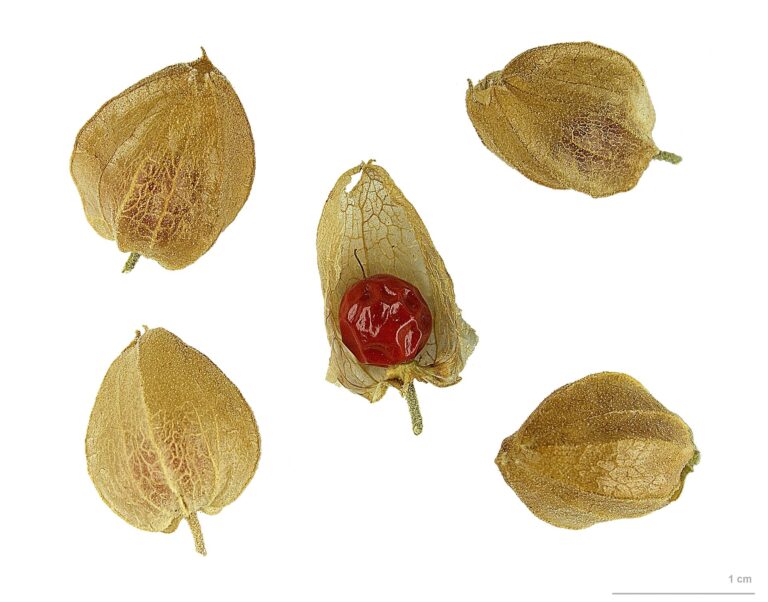
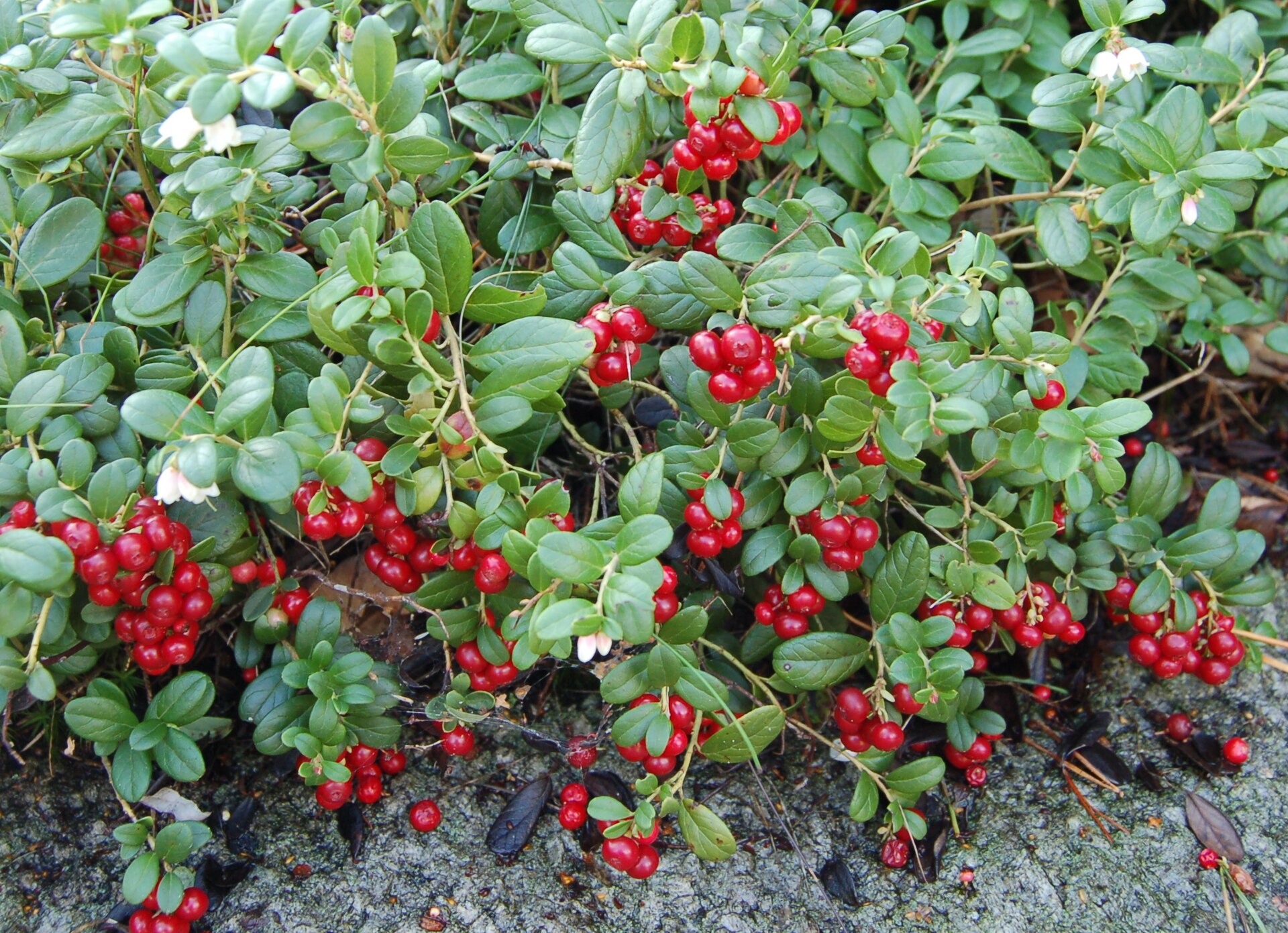
The tart red berry of Nordic kitchens and Newfoundland “partridgeberry” jam is also a folk urinary remedy, and its juice, blended with cranberry, is in some of the best-known bladder-infection trials. Here’s what it’s used for, what the studies show, and why the berry and the leaf are two very different safety stories.
Similar Posts
Constipation: natural options
Kiwifruit, prunes, psyllium, mineral-rich water, magnesium, toilet posture and belly massage: the vault's full guide to the natural options people use for constipation, with each one labelled by how good the evidence is and the warning signs that mean see a doctor first.
Diarrhea: natural options
A bout of diarrhea usually passes within a week, and the most important remedy is the simplest: fluids and salts. This entry sorts rehydration drinks, bland foods, tannin teas, fibre, zinc and probiotics by how well they're backed, and lists the signs that mean see a doctor.
Mimosa Pudica Seed
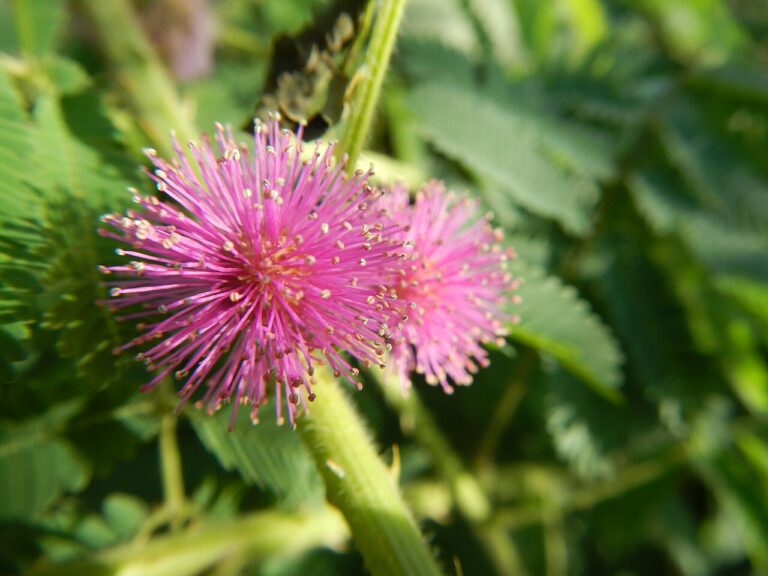
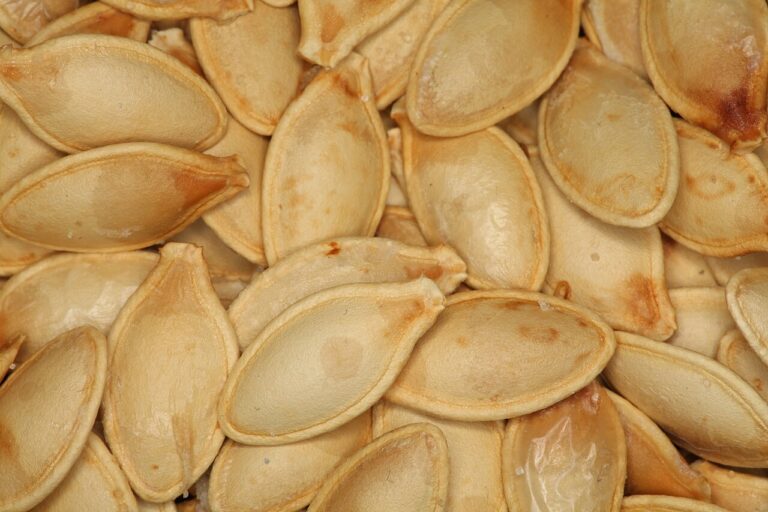
Mimosa pudica, the "sensitive plant" whose leaves fold shut when touched, has become one of the most talked-about parasite-cleanse seeds online. Members get the full entry: its Ayurvedic and folk history, what the lab studies do and don't show, what labels list, and the safety gaps to know before trying it.
Ashwagandha (Withania somnifera)
One of Ayurveda's most prized rejuvenating roots, taken for centuries to build strength and help the body cope with stress. Members use it today for calm, sleep, energy and everyday resilience.
Magnesium
In 1618 an English farmer found that cattle on Epsom Common wouldn't drink from a bitter pool. The salt left behind became one of the best-known home remedies of the next 350 years. Here's how people use magnesium today for sleep, muscles, headaches and regularity, what the studies found, and the safety limits that matter.
Olive Leaf
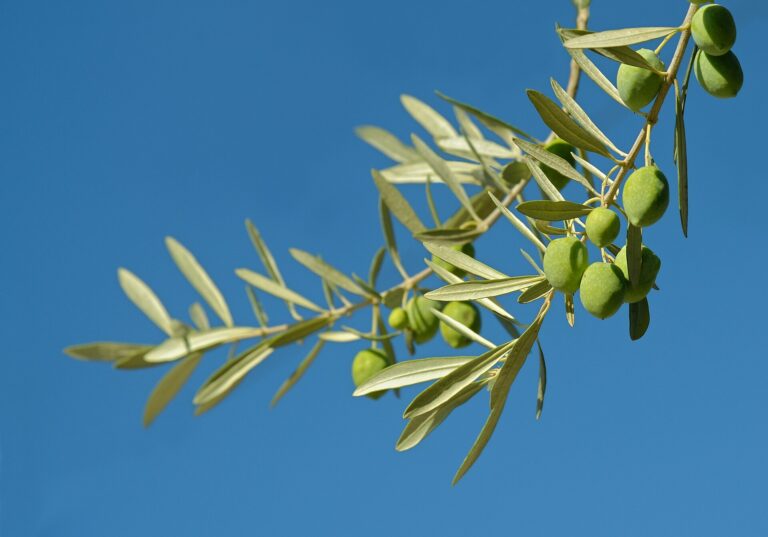
The silver-green leaves of the olive tree, one of the oldest cultivated trees on earth, have been brewed into a bitter tea around the Mediterranean for centuries. Here's what tradition and research say about them, and who should be careful.