
Licorice-note seed tea (fennel and anise)
A warm, sweet-spiced cup built on two seeds that taste like licorice and have followed meals around the world for centuries: fennel and anise.
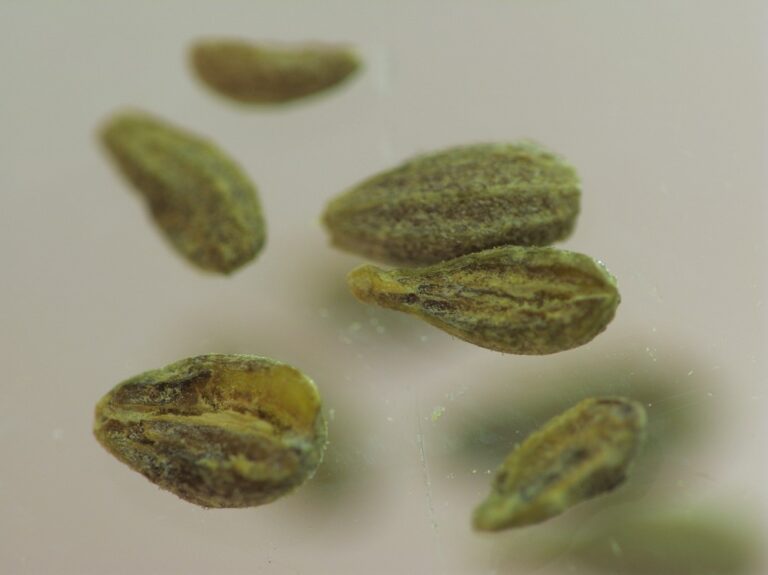
A warm, sweet-spiced cup built on two seeds that taste like licorice and have followed meals around the world for centuries: fennel and anise.
The full guide, with how to use it and the safety notes, is in the Remedies Vault.
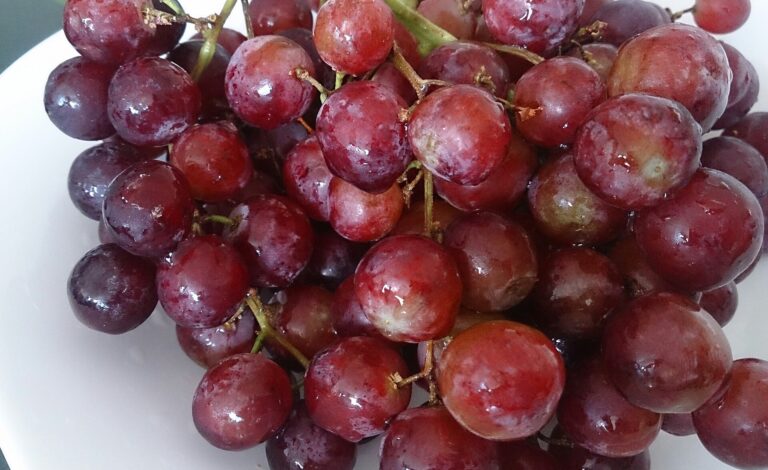
Eating nothing but grapes for a week is one of the oldest "cleanse" traditions there is, going back to the spas of 19th-century Germany. Here's where the idea comes from, why people still try it, and the safety points that matter before you plan even a few days on one fruit.
The full guide, with how to use it and the safety notes, is in the Remedies Vault.
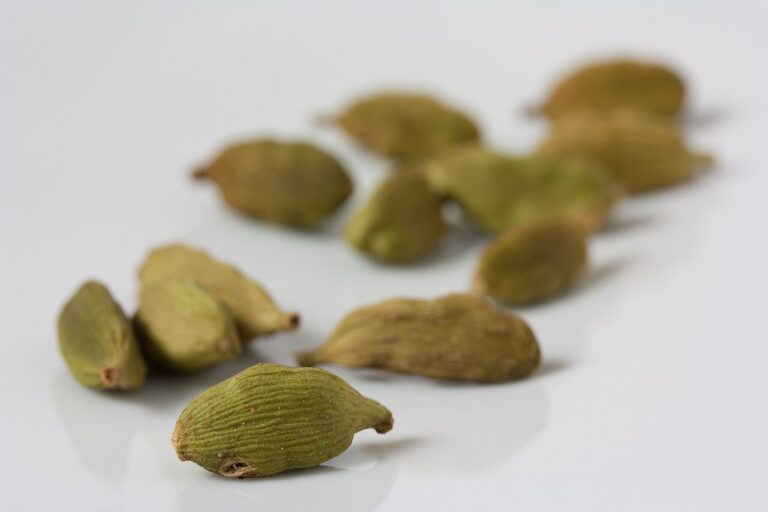
The cup people reach for right after a big meal — two kitchen spices with a long history of settling things down.
The full guide, with how to use it and the safety notes, is in the Remedies Vault.
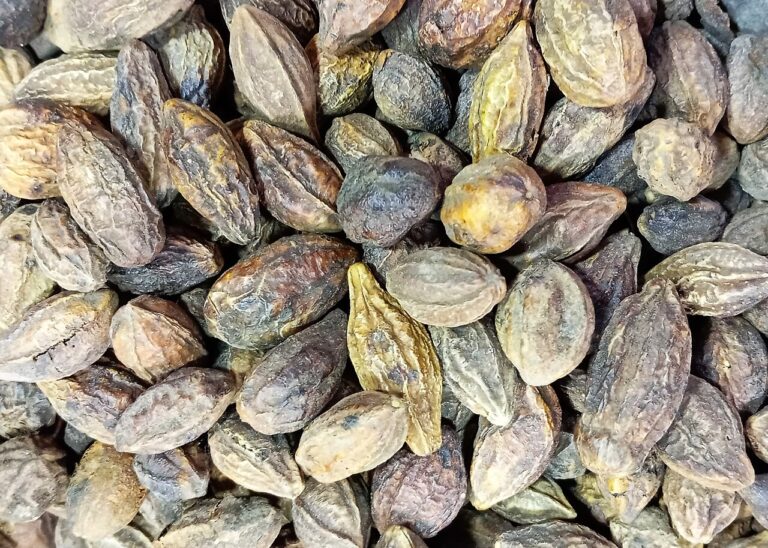
Triphala, "three fruits", is one of the best-known formulas in Ayurveda: a simple blend of three dried Indian fruits taken for generations as a gentle daily tonic for digestion and regularity. Here's what it's traditionally used for, what researchers are looking at, and how to use it well.
The full guide, with how to use it and the safety notes, is in the Remedies Vault.
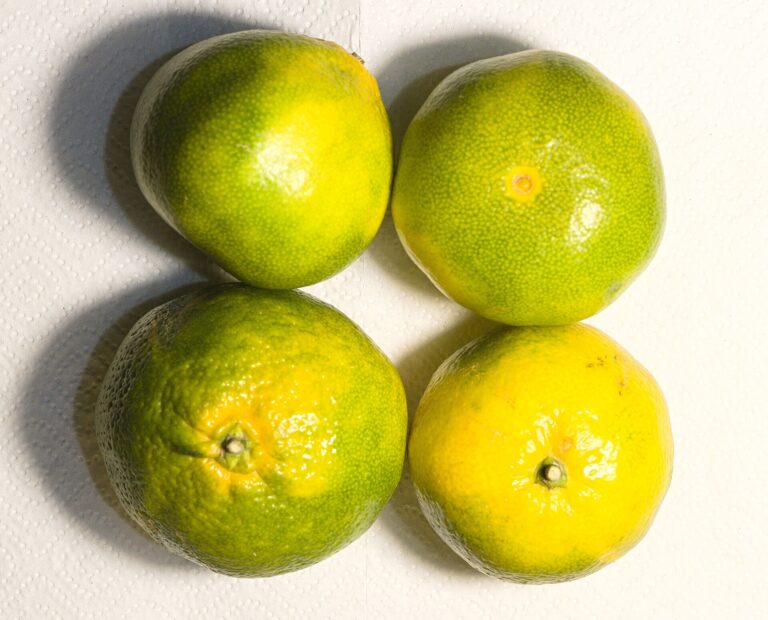
Chinese medicine makes two herbs from the same little tangerine: the gentle ripe peel and the sharper green peel picked early. Qing pi is the one practitioners reach for when tension, fullness and that "stuck" feeling under the ribs won't shift.
The full guide, with how to use it and the safety notes, is in the Remedies Vault.
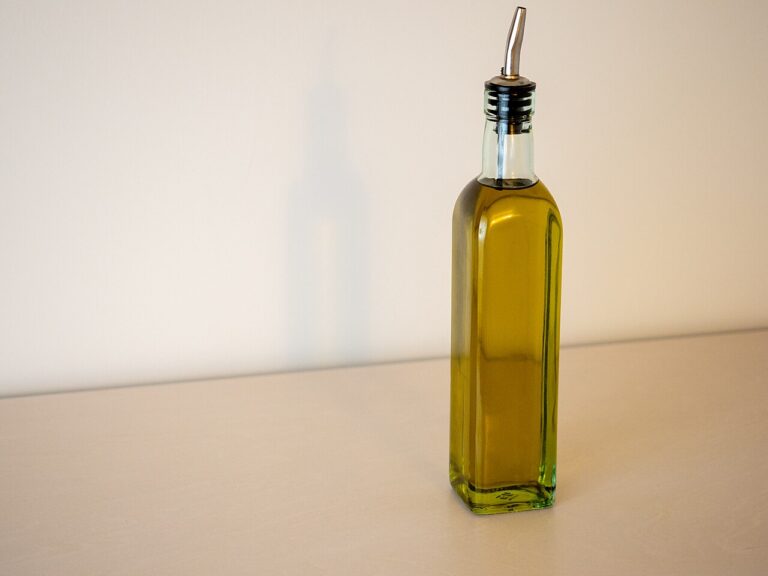
One of the best-known home cleanses in natural health, done by people who want their liver and gallbladder to feel lighter and work better. Members can read where it came from, what the "stones" turned out to be, how to keep yourself safe, and the gentler options that support the same organs.
The full guide, with how to use it and the safety notes, is in the Remedies Vault.
An old cleansing practice, now done with modern equipment, that people turn to when they want to feel lighter and "start clean", especially during a parasite cleanse. Members ask about it often, so here is the whole picture: where it came from, what's known, the safety points, and the gentler options.
The full guide, with how to use it and the safety notes, is in the Remedies Vault.
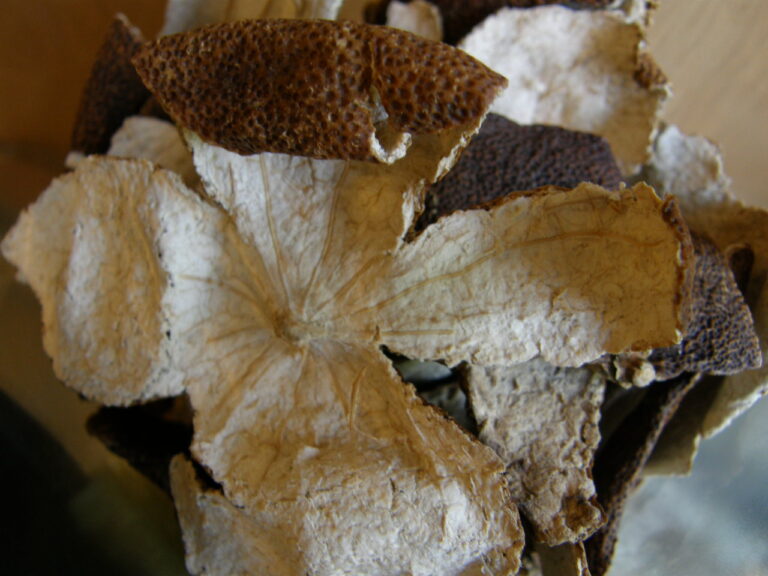
For centuries Chinese families have kept a jar of sun-dried tangerine peel in the kitchen, and the older it gets, the more prized it becomes. It's the peel people reach for when a meal sits heavy, when phlegm won't shift, or when a cold settles in the chest.
The full guide, with how to use it and the safety notes, is in the Remedies Vault.
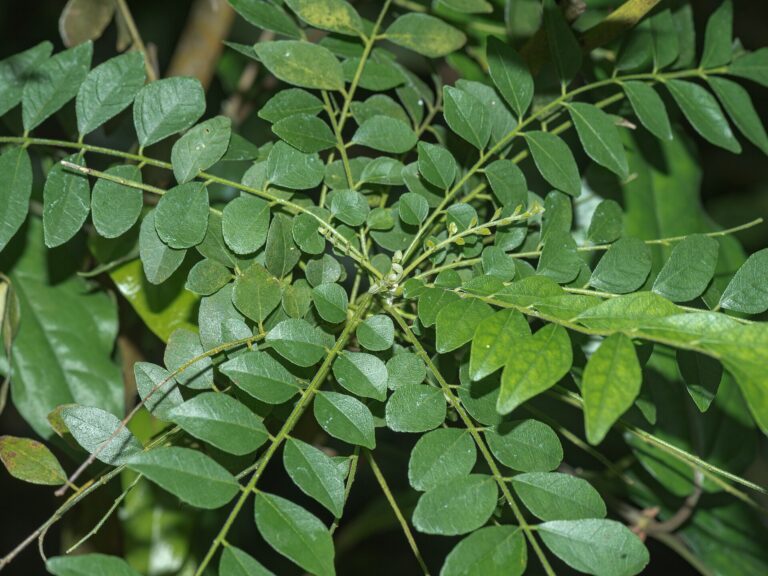
The glossy, fragrant leaf that crackles in hot oil at the start of so many South Indian and Sri Lankan dishes. Here's what Ayurveda and kitchen tradition use it for, from a settled stomach to the old hair oil.
The full guide, with how to use it and the safety notes, is in the Remedies Vault.
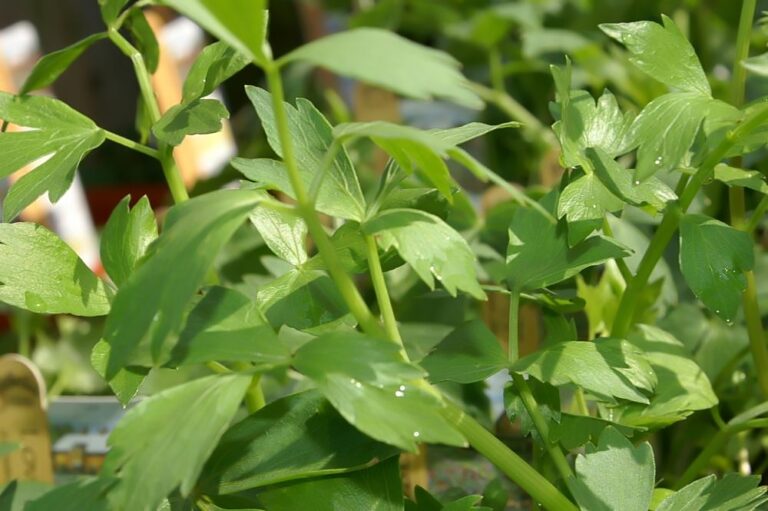
A tall, celery-scented garden herb that has been in European kitchens and medicine chests since the Greeks. Here's how it's used for the waterworks and the stomach, and what to know before you brew the root.
The full guide, with how to use it and the safety notes, is in the Remedies Vault.