You don’t have to work in a factory to be exposed to heavy metals.
They’re in old paint. Tap water from old pipes. Certain fish. Rice. Cookware. Cigarette smoke. Even some cosmetics.
Most of it is in small amounts. But small amounts, over years, can add up, and your body doesn’t always clear them as fast as they come in.
Quick take
- Small exposures add up: old pipes, big fish, rice, cookware and smoke.
- Binders like chlorella and modified citrus pectin are used to help carry metals out through the gut.
- Never mobilize without a binder, and never try prescription chelation on your own.
Where heavy metals hide

Lead
- Older homes with lead paint, especially during renovations
- Old plumbing and some tap water
- Imported spices, ceramics and some traditional remedies
Mercury
- Large predatory fish like tuna, swordfish, king mackerel and shark
- Older “silver” dental fillings, which contain mercury
Cadmium
- Cigarette smoke, including second-hand
- Some chocolate and leafy crops grown in contaminated soil
Arsenic
- Rice and rice products, especially brown rice
- Well water in certain regions
Aluminum
- Some antiperspirants, antacids and baking powders
- Cooking acidic foods in aluminum pans or foil
Signs people associate with heavy metal buildup
These overlap with a lot of other things, so they’re clues, not a diagnosis:
- Brain fog and poor memory
- Fatigue that doesn’t make sense
- Headaches
- Tingling or numbness in the hands and feet
- Mood swings, anxiety or irritability
- Metallic taste in the mouth
- Digestive upset
If you’re concerned, ask your doctor about testing. Blood tests show recent exposure. Hair and urine tests are used by many integrative practitioners for a longer view, though doctors differ on how to read them.
The natural binders people use
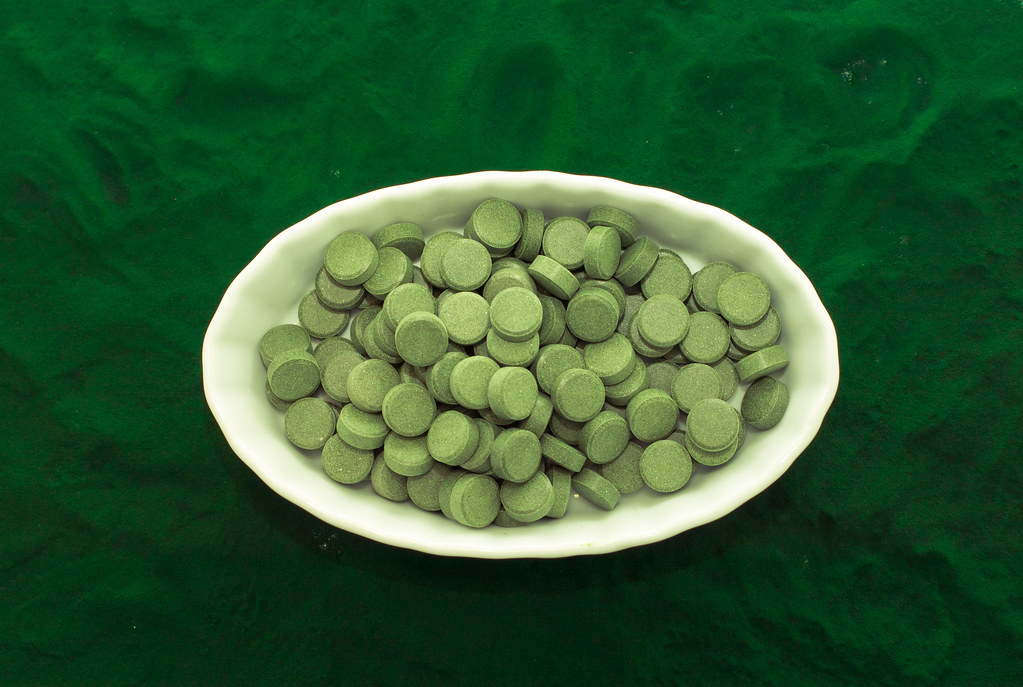
The idea behind a natural heavy metal detox is simple: help the body grab hold of metals and carry them out, mostly through the bowels.
Chlorella
A green algae with a tough cell wall that’s been studied for its ability to bind to metals in the gut. One of the most popular binders in natural health. Start low. It can cause bloating at first.
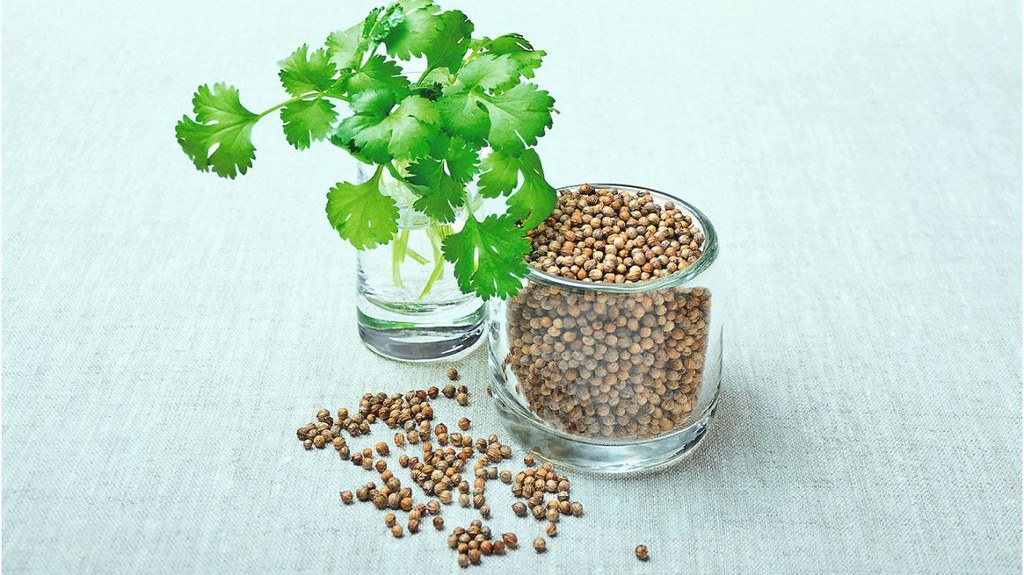
Cilantro
Traditionally used as a “mobilizer,” meaning it’s believed to help loosen metals from tissue. That’s why it’s almost always paired with a binder like chlorella. Mobilizing without binding is how people end up feeling worse.
Modified citrus pectin
Made from the pith of citrus peels. Used by many integrative practitioners because it’s gentle and binds in the gut.
Sulfur-rich foods
Garlic, onions, eggs, broccoli and cabbage give your body the raw material for glutathione, its own built-in detox molecule.
Sweating
Sauna and exercise have been used across many cultures to push waste out through the skin. Rinse off afterwards so it doesn’t sit on you, and replace your minerals.
The cheapest, safest heavy metal detox there is: stop taking more in.
The two biggest mistakes
1. Mobilizing before your exits are open. If you’re not going to the bathroom every day, metals stirred up by something like cilantro can redistribute instead of leaving. Read why most detoxes backfire before starting.
2. Trying prescription chelation on your own. Drugs like DMSA and EDTA are powerful tools that should only ever be used under a doctor’s supervision. Same goes for removing mercury fillings: that needs a dentist trained in safe removal, because drilling them out carelessly can raise your exposure.
Cut the source first
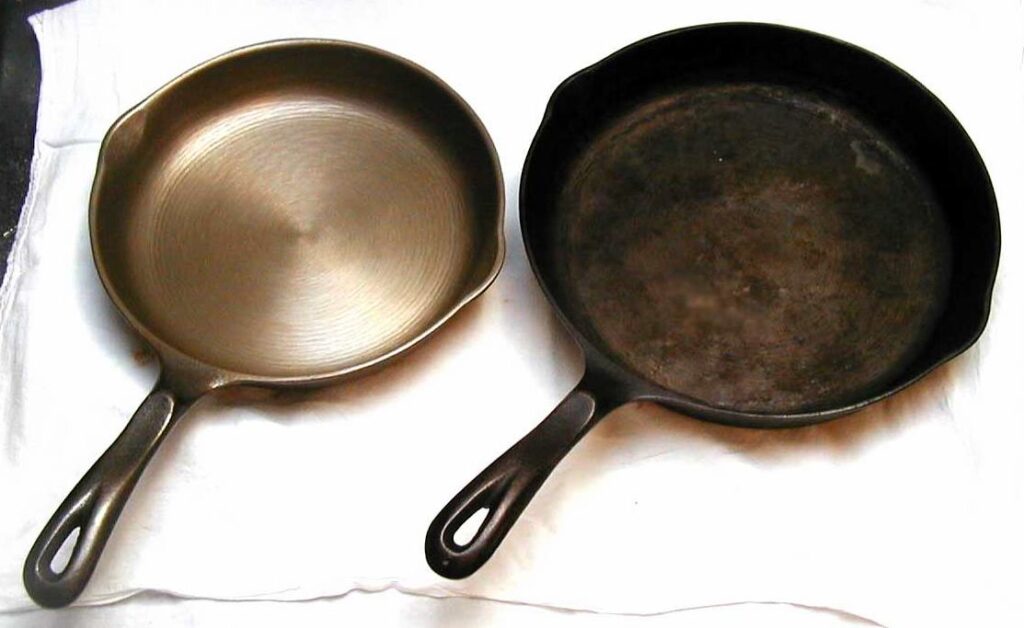
The cheapest, safest heavy metal detox there is: stop taking more in.
- Filter your drinking water
- Choose smaller fish like sardines, salmon and anchovies
- Cook rice like pasta in extra water and drain it
- Swap aluminum cookware for stainless steel or cast iron
- Read the labels on deodorants and antacids
Try this today
Swap one tuna meal this week for sardines or salmon, and cook your next pot of rice in extra water, then drain it.
Go deeper in the Vault
Full binder entries, how people pair them, and the complete heavy metal detox protocol are all in the Vault. Heavy Metals in the Vault →
Educational only, not medical advice. This information has not been evaluated by the FDA or Health Canada and is not intended to diagnose, treat, cure, or prevent any disease. Talk to your healthcare provider before starting any remedy, supplement, or detox, especially if you are pregnant, nursing, taking medication, or managing a health condition. Read our full Medical Disclaimer.