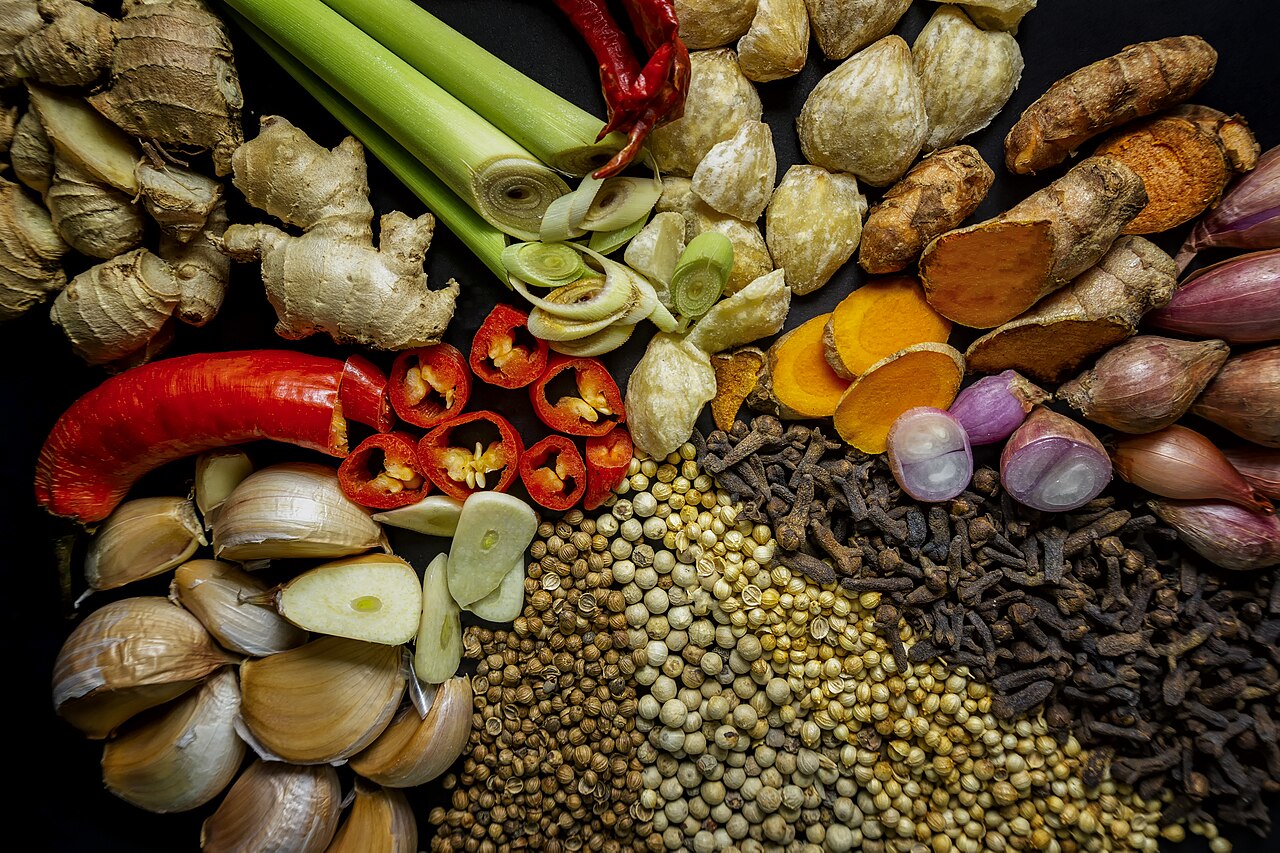
Your spice rack might be the most underrated shelf in your house.
Long before anyone sold a capsule, people reached for roots, bulbs and leaves when their joints ached or their body felt “hot” and run down.
Turmeric in India. Ginger across Asia. Garlic almost everywhere.
Here’s what these kitchen herbs are traditionally used for, what the research is looking at, and who should be careful with them.
Quick take
- Short bursts of inflammation are normal. The long, low-grade kind is what naturopaths focus on.
- Turmeric, ginger, garlic, rosemary and cinnamon are the classic kitchen herbs traditionally used to support the body here.
- Cooking with them is low-risk for most people. Concentrated supplements are a different story, so check with your doctor first.
Inflammation: the fire you actually need
Inflammation isn’t the bad guy.
Cut your finger and the redness, warmth and swelling are your body sending repair crews. A few days later, it switches off. That’s the system working.
The trouble starts when it doesn’t switch off.
Researchers call it chronic, low-grade inflammation. It’s quiet. It doesn’t always hurt. And it’s being studied for its links to stiff joints, tired days, heart health and blood sugar problems.
Naturopaths look at what keeps feeding that slow burn: ultra-processed food, poor sleep, stress, not moving, and an overloaded liver and gut. (If the gut-and-liver order matters to you, read why most detoxes backfire.)
Kitchen herbs sit on top of that foundation. Not in place of it.
Turmeric and black pepper: the golden pair
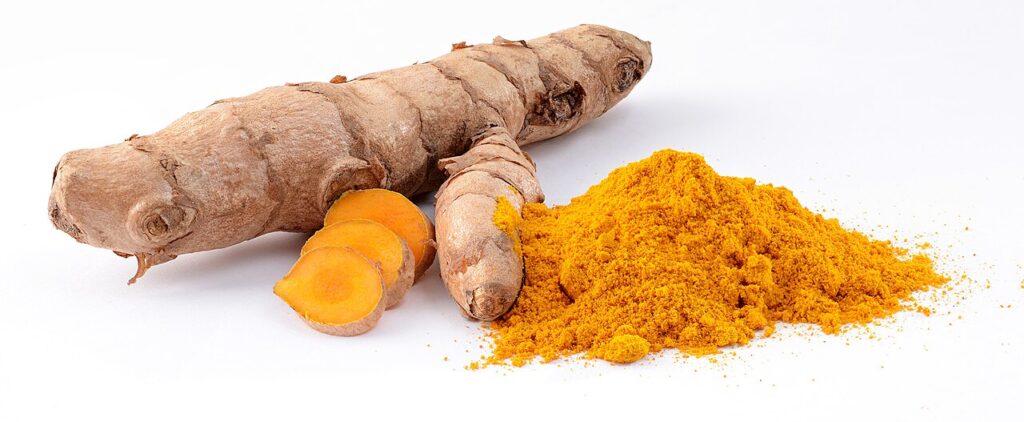
Turmeric has been part of Ayurvedic and traditional Chinese practice for thousands of years. It was traditionally used for aching joints, digestion, skin and wounds.
Its best-known compound is curcumin. Curcumin is being studied for joint stiffness and for the body’s inflammation signals. Some human trials look encouraging; many are small and short.
One catch: curcumin on its own is poorly absorbed. That’s why traditional recipes cook turmeric with fat and black pepper. Pepper’s compound, piperine, is known to raise how much curcumin reaches the blood.
- In food: a teaspoon or so in curries, soups, eggs or golden milk, with a pinch of pepper and some oil.
- As a supplement: amounts vary by product; follow the label and check with your doctor first.
Worth knowing: there are reports of liver injury linked to concentrated turmeric and curcumin supplements, especially the high-absorption kind. Cooking with the spice hasn’t shown the same pattern. If you already have liver concerns, these signs your liver may need support are worth a read first.
Ginger: the warming root
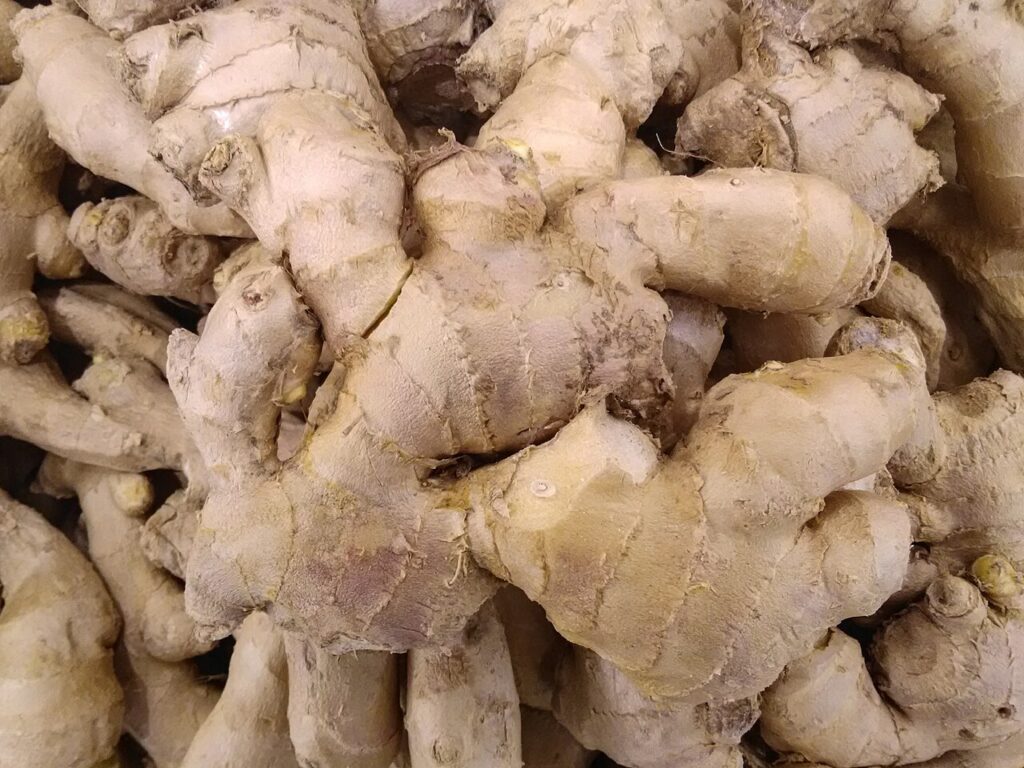
Ginger is one of the most widely used roots on earth.
Traditional Chinese medicine calls it “warming.” It was traditionally used for cold hands and feet, sluggish digestion, nausea and sore muscles.
Today ginger is best studied for nausea. Its compounds (gingerols and shogaols) are also being studied for muscle soreness after exercise and for joint discomfort.
- Fresh tea: a few thin slices simmered for 10 minutes, with lemon.
- In cooking: grated into stir-fries, soups and smoothies.
The herbs work best on top of good habits, never in place of them.
Garlic, rosemary and cinnamon: the supporting cast
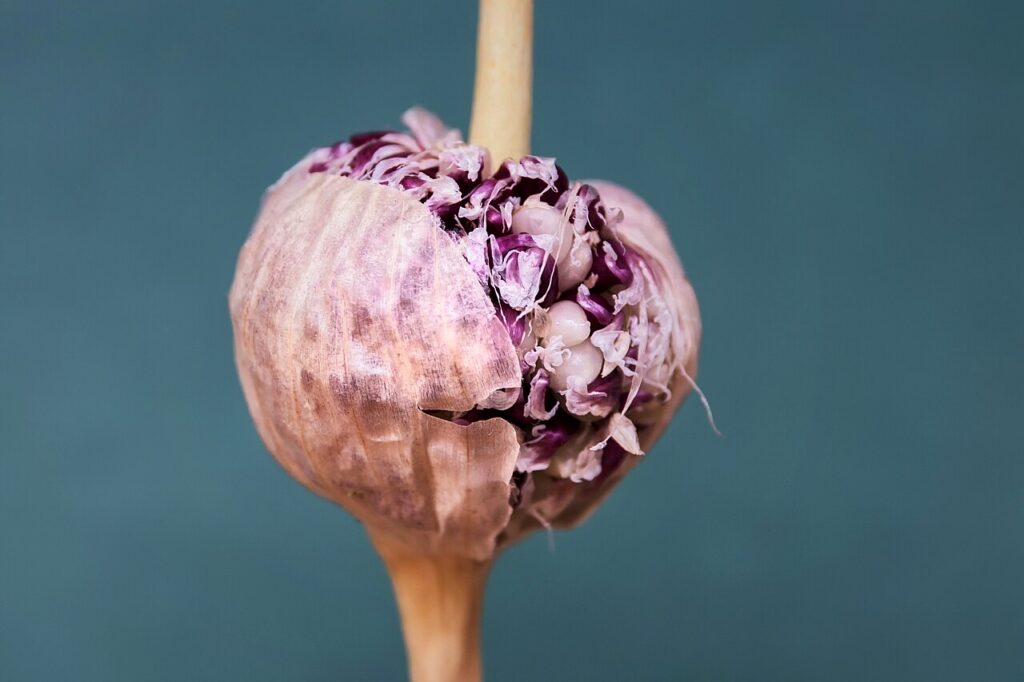
Garlic
Garlic has been used as food and medicine since ancient Egypt. Traditionally it was a go-to for colds, circulation and “cleansing” the blood.
Crush or chop it and let it sit for 10 minutes before cooking. That’s when allicin, the compound most studied, forms. Garlic is being studied for heart health and blood pressure.
Rosemary
A Mediterranean staple. Rosemary was traditionally used for circulation, memory and tired muscles. It’s rich in compounds like carnosic and rosmarinic acid, which are being studied in the lab for their antioxidant effects.
A sprig in roasted vegetables or tea is the traditional way to use it.
Cinnamon
Traditionally used as a warming digestive spice, cinnamon is now being studied for blood sugar balance.
Tip: everyday supermarket cinnamon is usually cassia, which is high in coumarin. Large daily amounts of cassia may strain the liver. Ceylon (“true”) cinnamon is much lower in coumarin if you use a lot.
Habits that matter more than any spice
Here’s the honest part.
No herb can out-work a diet built on sugar and seed-oil-fried food, five hours of sleep and constant stress.
The basics naturopaths come back to again and again:
- Whole foods: vegetables, berries, oily fish, olive oil, nuts and beans.
- Sleep: 7 to 9 hours, as regular as you can make it.
- Movement: daily walking counts. You don’t need a gym.
- Less sugar and alcohol: two of the biggest everyday drivers people can change.
- Stress relief: breathing, time outside, people you like.
Then add the spices. Every day, in real food.
Who should be careful
Normal cooking amounts are fine for most people. Concentrated supplements are where caution matters. Check with your doctor or pharmacist first if you:
- Take blood thinners (like warfarin) or aspirin daily. Turmeric, ginger and garlic supplements may add to bleeding risk.
- Have surgery coming up. Stop supplements ahead of time, as your surgeon advises.
- Have gallstones or liver problems (turmeric and cassia cinnamon in particular).
- Take medicine for diabetes or blood pressure. Some of these herbs may add to the effect.
- Are pregnant or breastfeeding, or are buying for a child.
When to see a doctor
Spices are for everyday support, not for warning signs. See a doctor if you have:
- A joint that is hot, red and swollen, especially with a fever
- Pain or stiffness that lasts more than a few weeks, or wakes you at night
- Morning stiffness lasting over an hour
- Unexplained weight loss, ongoing fatigue or night sweats
- Yellowing skin or eyes, or dark urine, after starting any supplement (stop it and get checked)
Try this today
Make a simple golden drink: warm a cup of milk (or a plant milk), stir in half a teaspoon of turmeric, a few slices of fresh ginger and a pinch of black pepper. Simmer 5 minutes, strain, and sip.
Go deeper in the Vault
The Vault brings everything on pain and inflammation together in one place, including the herb profiles for turmeric, ginger and more. Pain & Inflammation in the Vault →
Also available: a turmeric supplement (affiliate)
If you’d rather take turmeric as a capsule, one is sold by an outside company. Read the turmeric safety notes above and check with your doctor or pharmacist first.
Sponsored link. If you buy through it, Clif may earn a commission at no extra cost to you. The claims on the seller’s page are theirs, not ours, and haven’t been checked by us. It’s not a substitute for seeing your doctor.
Educational only, not medical advice. This information has not been evaluated by the FDA or Health Canada and is not intended to diagnose, treat, cure, or prevent any disease. Talk to your healthcare provider before starting any remedy, supplement, or detox, especially if you are pregnant, nursing, taking medication, or managing a health condition. Read our full Medical Disclaimer.