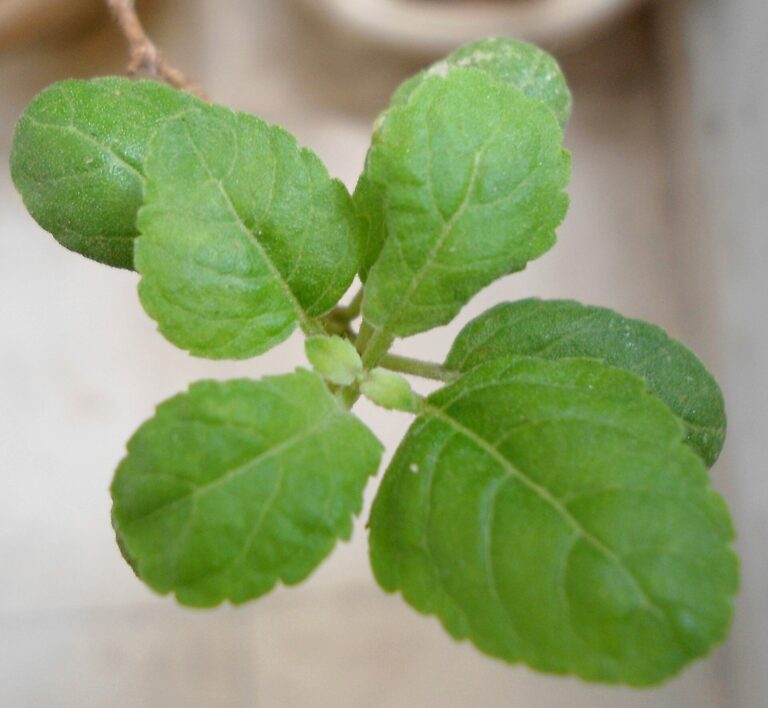
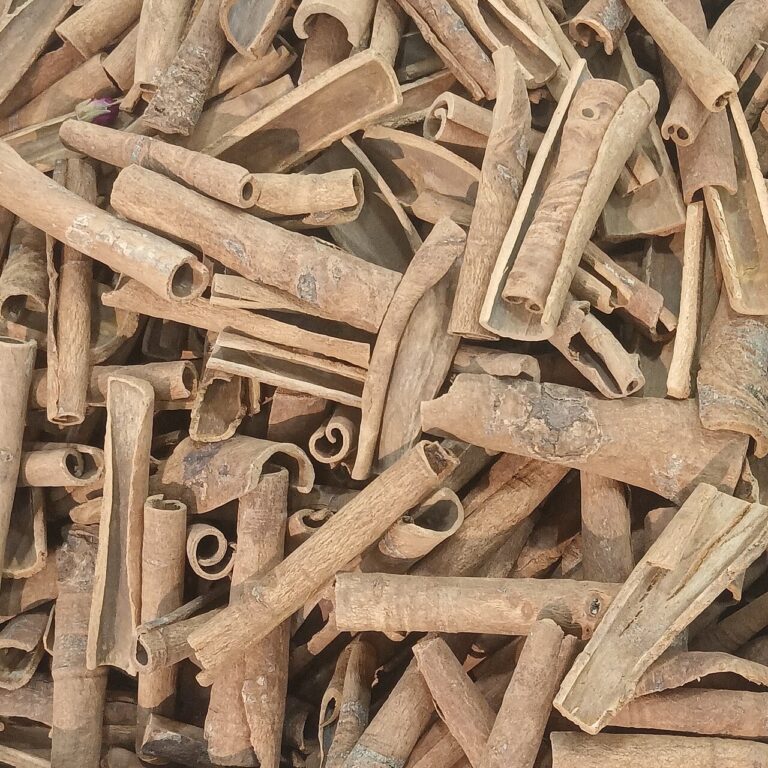
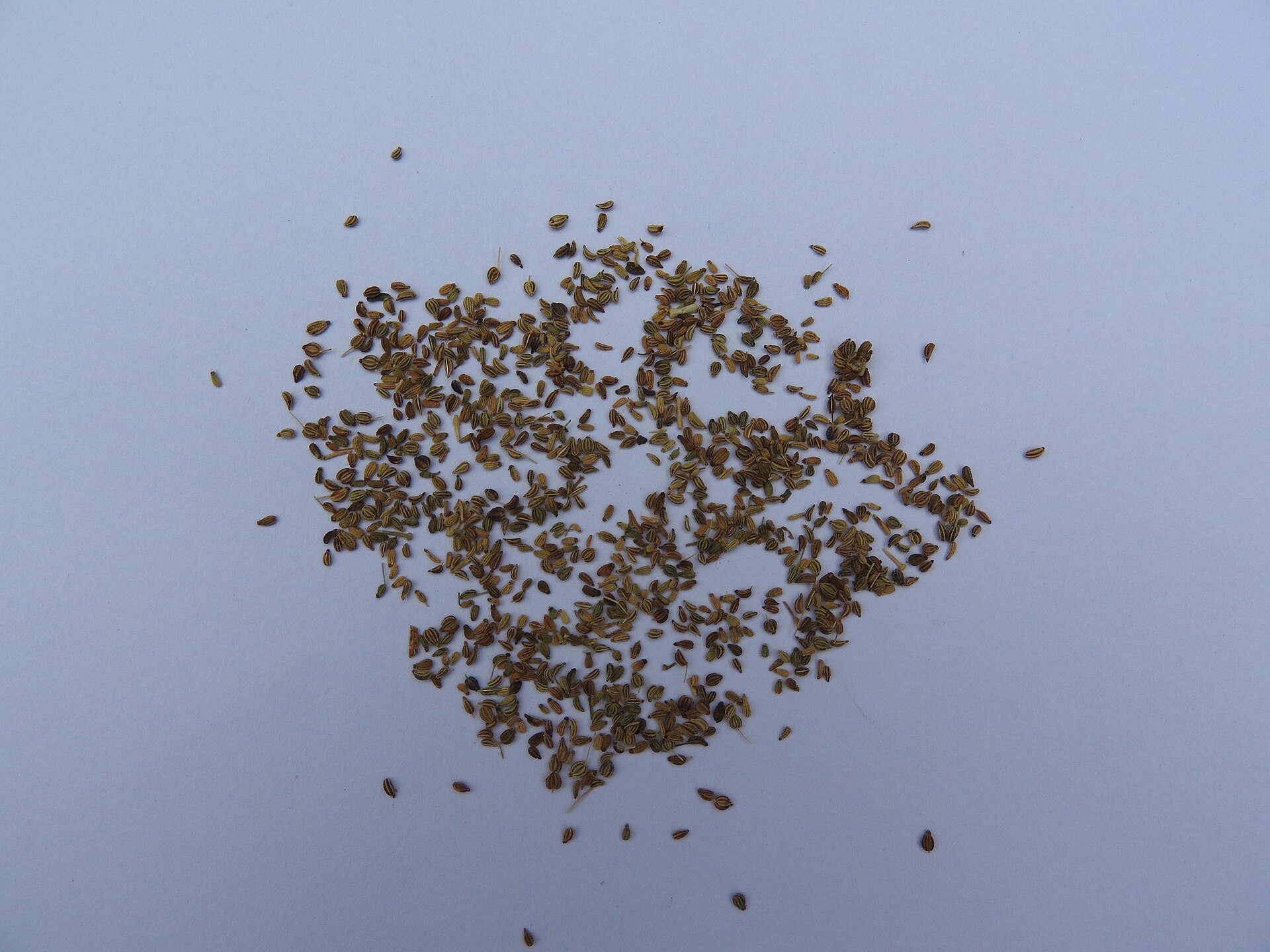
Ajwain is the tiny, thyme-scented seed that goes into Indian breads, pakoras and bean dishes, and it’s one of Ayurveda’s and Unani medicine’s best-known kitchen remedies for wind and indigestion. Here’s what those traditions use it for, what little research there is, how it’s taken, and why it’s a firm no in pregnancy.
Similar Posts
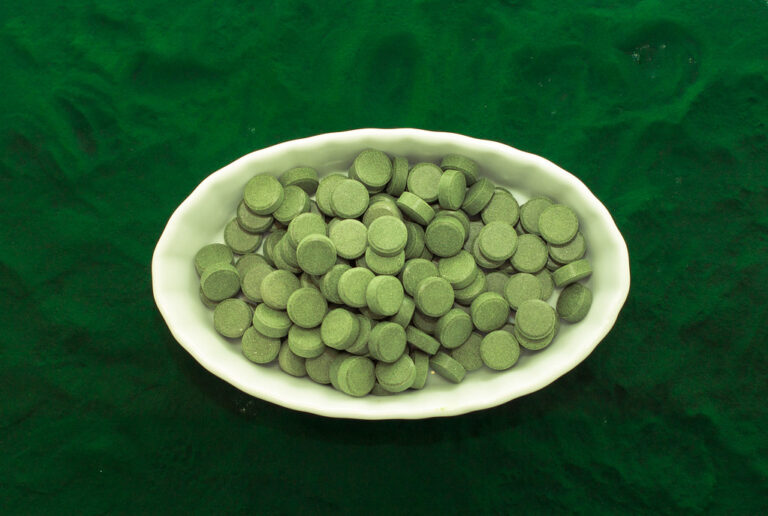
Chlorella
Chlorella is a single-celled freshwater green alga that many detoxers take as a daily "green binder." Members get the full entry: what the research does and doesn't show, typical amounts, and who should skip it.
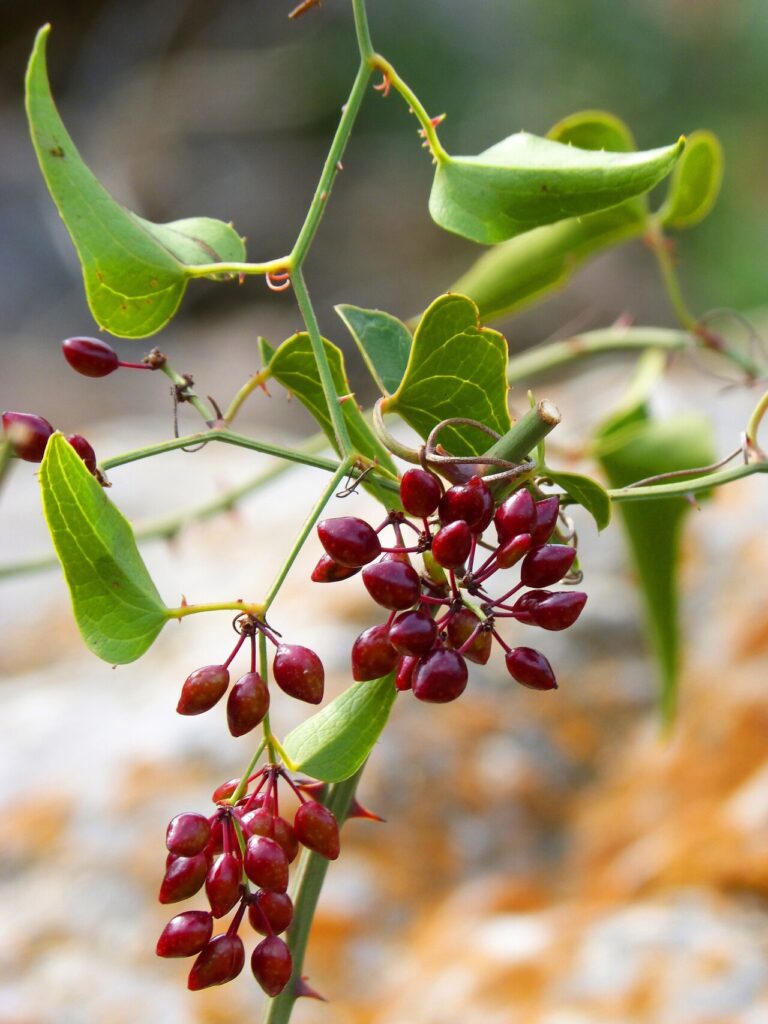
Sarsaparilla
Sarsaparilla root was one of the most famous "blood purifiers" of European and American medicine for about three centuries, and it still turns up in blood-cleanse, skin and men's tonic blends. Members get the full entry: its history, why doctors doubted it as early as the 1850s, what the research does and doesn't show, and its digoxin, lithium and kidney cautions.
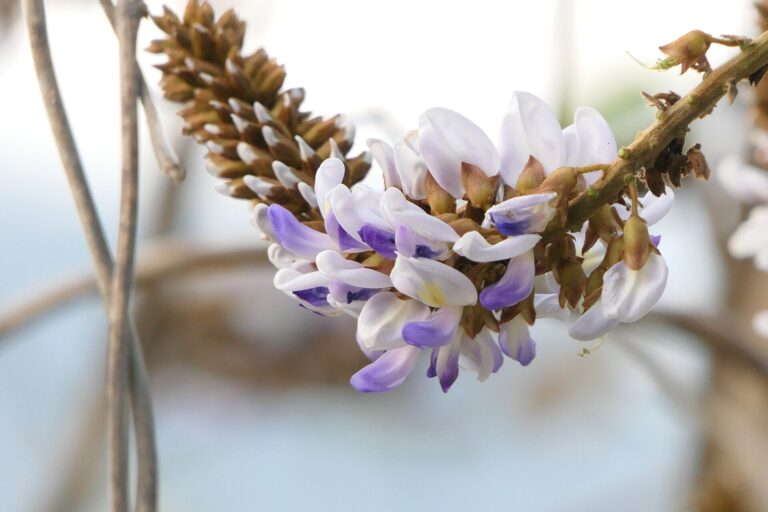
Vidari (Indian Kudzu)
Vidari is a sweet, cooling Ayurvedic root used as a strength-building rejuvenative, a traditional aid for new mothers' milk, and a pitta-soothing herb in acid-indigestion regimes. Here's what the tradition says, the (mostly animal) research on its isoflavones, why it's often mixed up with other "vidari" roots, and who should skip it.
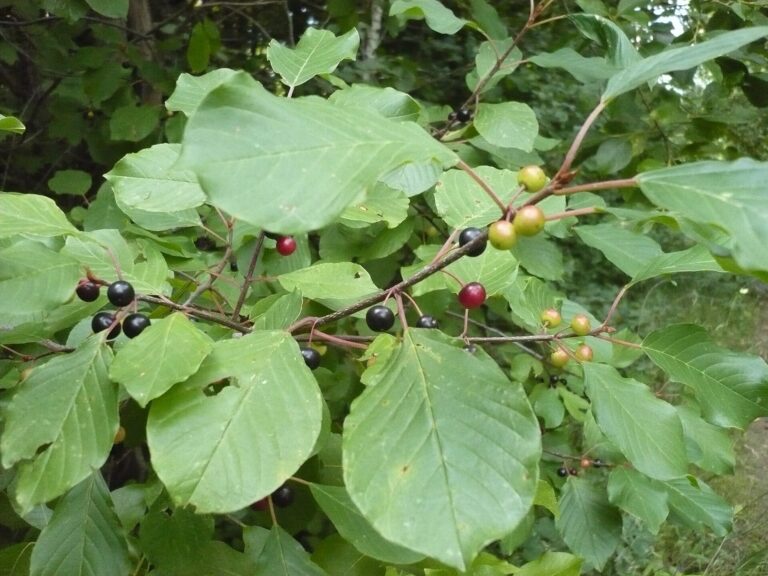
Frangula (Alder Buckthorn)
Frangula, or alder buckthorn bark, is a strong stimulant laxative herb used in Europe since the 1500s. It's for short-term use only, and the bark has to be properly aged first; here's what to know before reaching for it.
Holy Basil (Tulsi)
Sacred in Hindu tradition and called the "elixir of life" in Ayurveda, tulsi has been a daily tonic in India for thousands of years. Here's what tradition uses it for, what the modern studies show, and who should be careful with it.
Cinnamon
One of the oldest spices in the world, cinnamon was traded from Asia to Egypt as far back as 2000 BC. Ayurveda, Chinese medicine and Persian medicine all use it as a warming herb for digestion, circulation and the womb, and modern researchers are studying it for period pain and metabolic health.