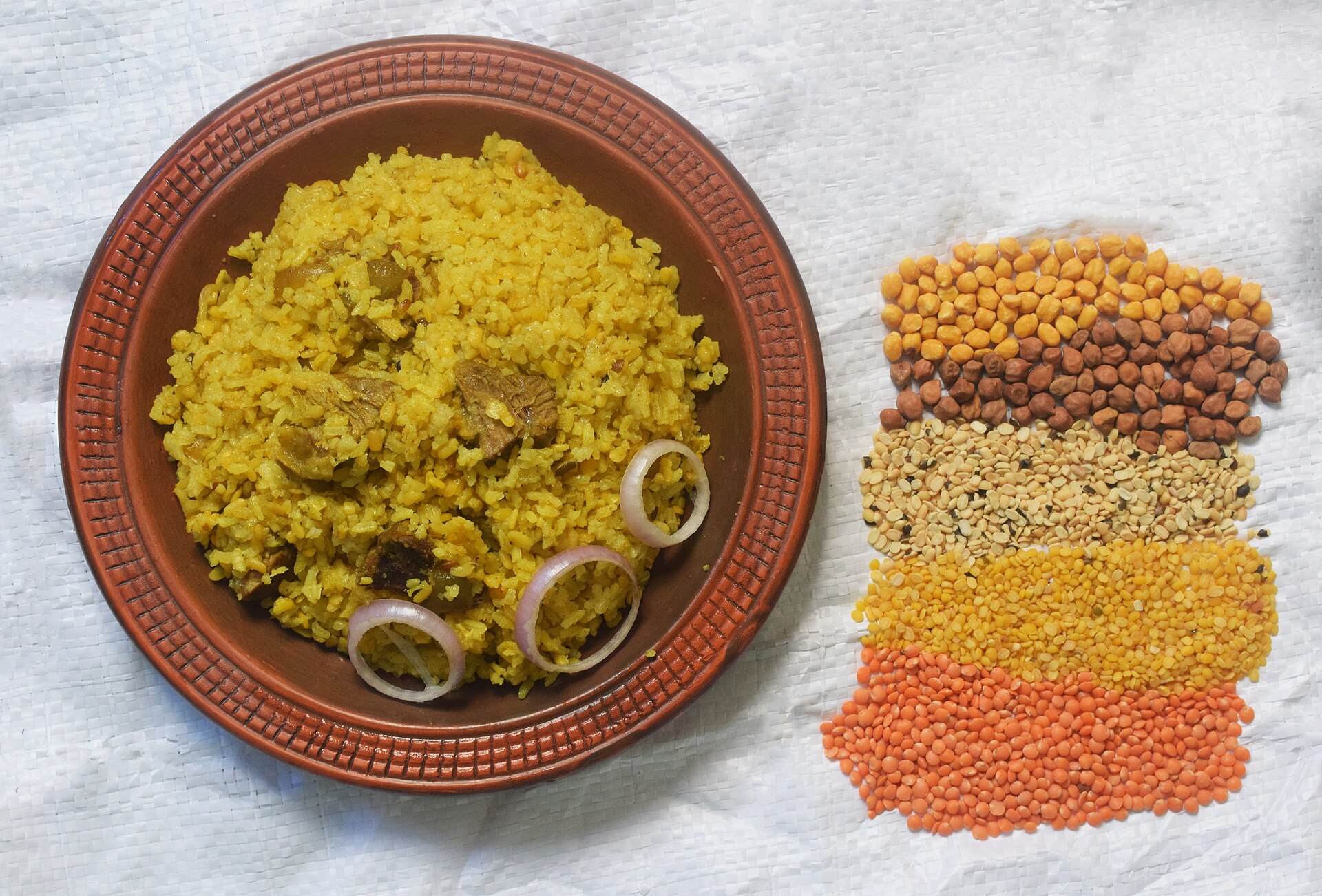
Kitchari is India’s comfort food: rice and yellow mung dal simmered soft with cumin, turmeric and ginger. Ayurveda uses it as the go-to meal for a gentle cleanse or a sore stomach, and two old hospital trials in children with diarrhoea fed it alongside rehydration drinks. Here’s how it’s traditionally made, what it can and can’t do, and who should keep a kitchari cleanse short.
Similar Posts
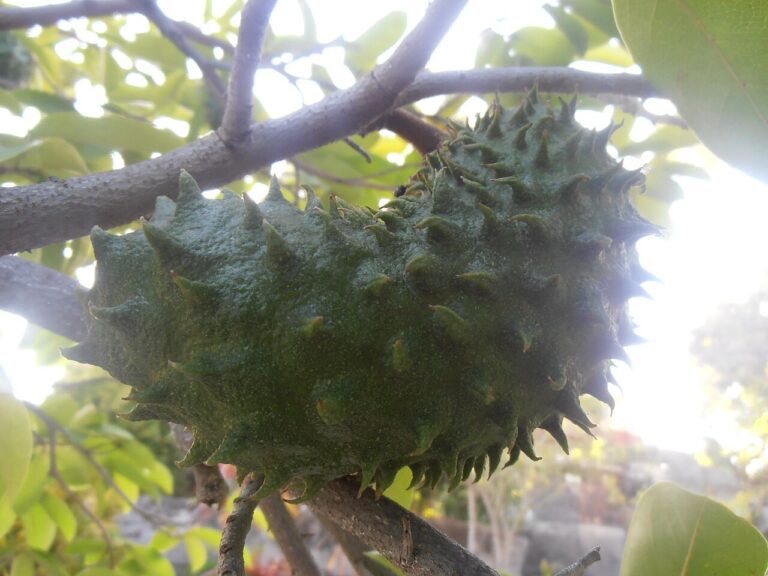
Soursop (Graviola)
A tropical fruit tree whose leaves have been brewed as a folk tea across the Caribbean, Latin America and Africa for generations. Here's what tradition says, what the research has (and hasn't) shown, and the safety points every user should know first.
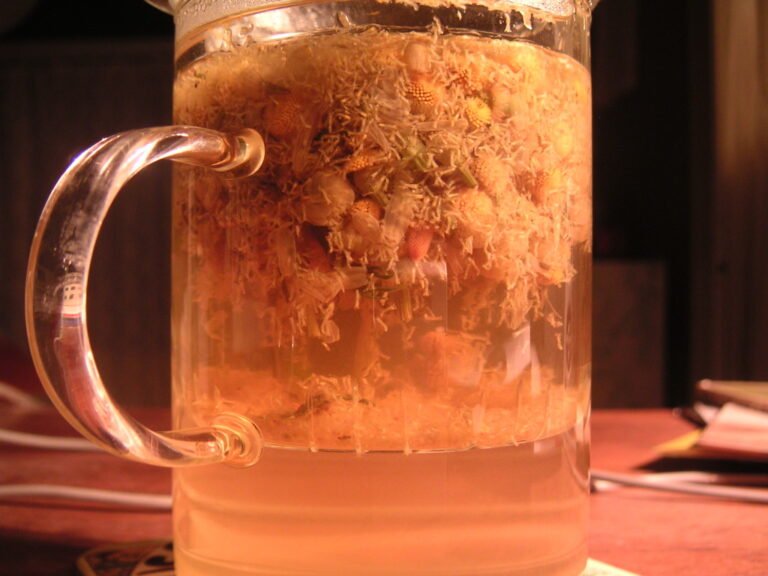
Heartburn and reflux: natural options
Heartburn is one of the most common gut complaints, and many of the best-supported fixes are free: meal timing, sleep position and raising the head of the bed. This entry sorts the teas, soothing herbs, kitchen remedies and breathing practices people use for reflux by how well they're backed, and flags when heartburn needs a doctor.
Tongue Scraping
Tongue scraping is one of Ayurveda's oldest morning habits, and many people now keep a scraper next to their toothbrush. Here's what the tradition says, what dental research has actually found, and how to do it gently and safely.
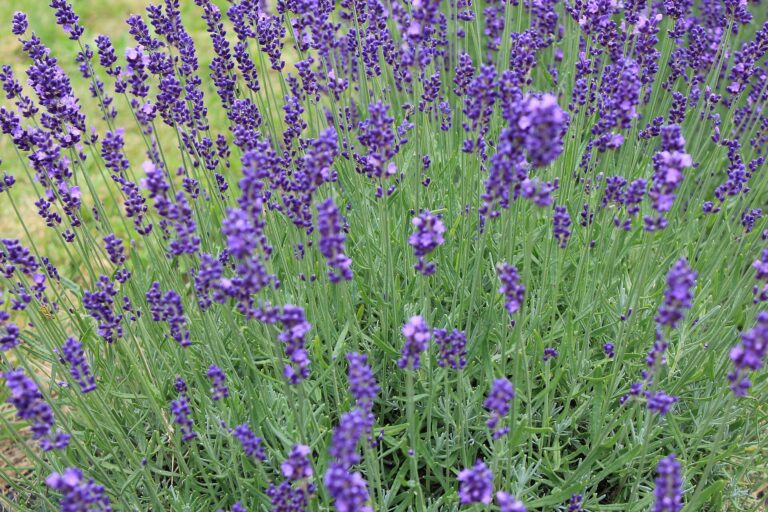
Lavender
Lavender is the classic calming flower, sipped as a gentle evening tea, added to baths and breathed in from the oil. In Europe the flower tea is an approved traditional remedy for mild stress and to help with sleep.
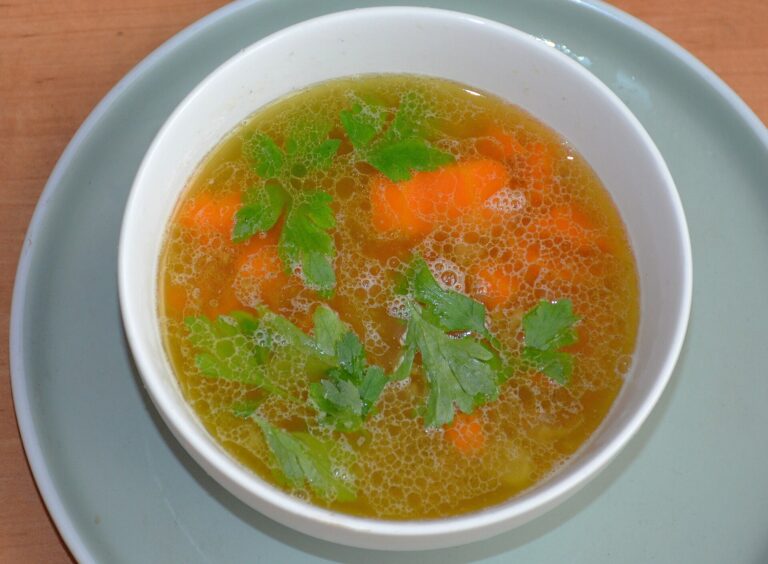
Bone Broth
Grandmothers, Maimonides and Ayurvedic cooks all reached for long-cooked broth when someone was ill or run down. Here's what's known about bone broth today: what's really in the pot, what the research does and doesn't show, and how to make and store it safely.
Steam Inhalation
Breathing warm, moist air over a bowl of hot water is a family remedy for stuffy noses and sinus trouble. Here's what the trials show, how people do it, and why burns units warn against bowl steaming with children.