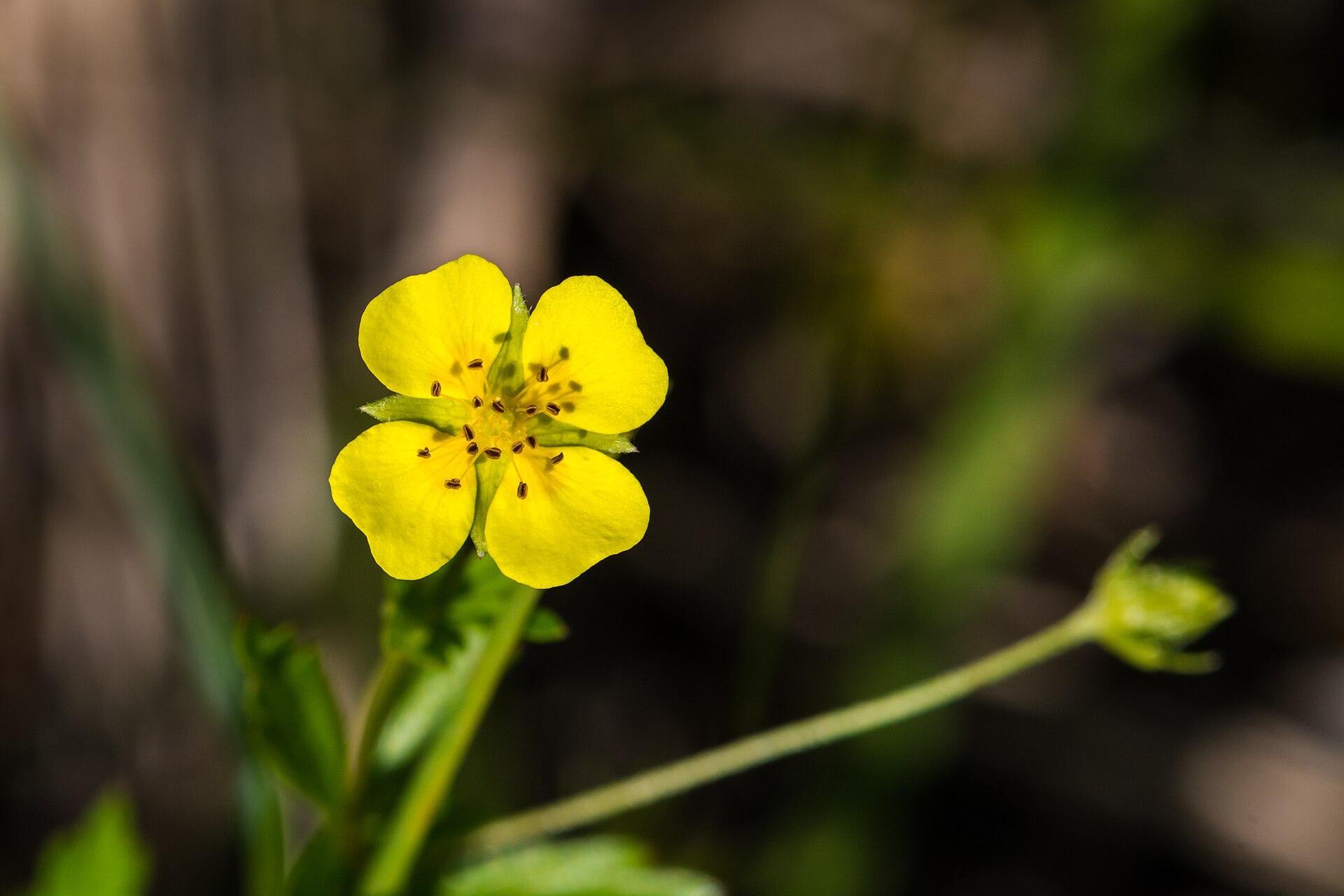
Tormentil is a small yellow-flowered moorland plant whose red, tannin-rich root has been a European standby for loose stools and sore mouths for centuries. Here’s what tradition and the EU monograph say, and how to use it carefully.
Similar Posts
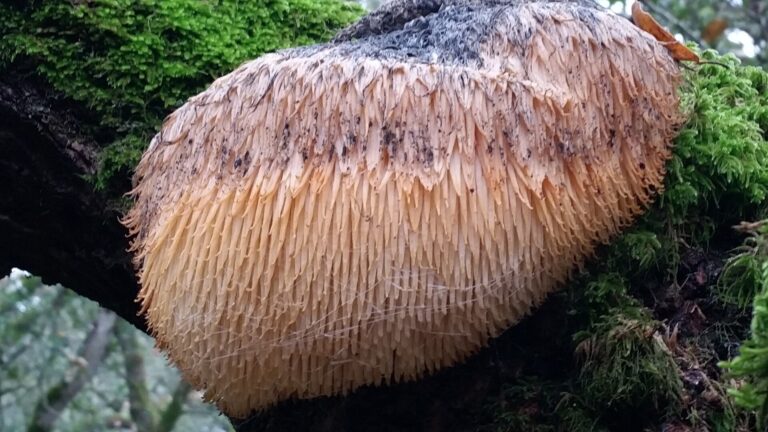
Lion’s Mane Mushroom
Lion's mane is the shaggy white "monkey head" mushroom of Chinese and Japanese tradition, eaten as a delicacy and used for centuries to support the stomach and, more recently, memory and mood. Here's what tradition says, what the early research shows, and who should be careful with it.
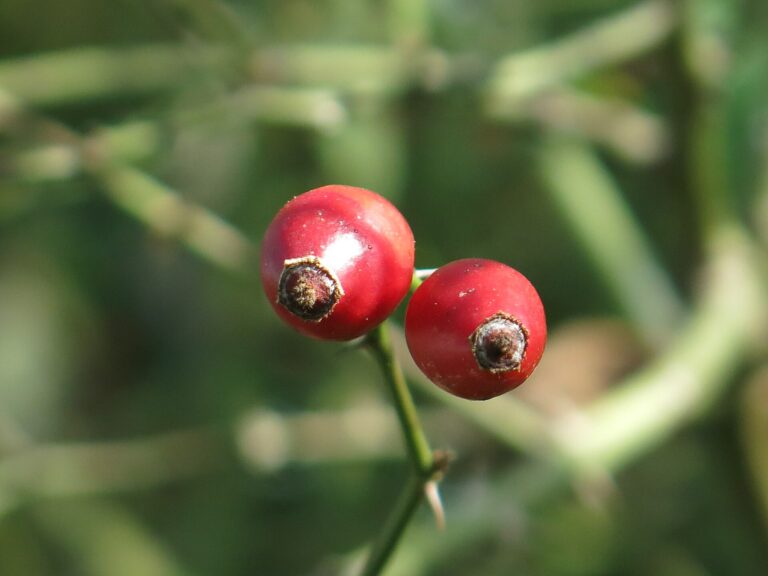
Rosehip
The bright red fruit left on wild roses after the petals fall has been brewed into a warming winter tea for generations, from Indigenous communities in British Columbia to European kitchens. This profile covers its traditional uses, the joint research that put rosehip powder on the map, and who should go easy on it.
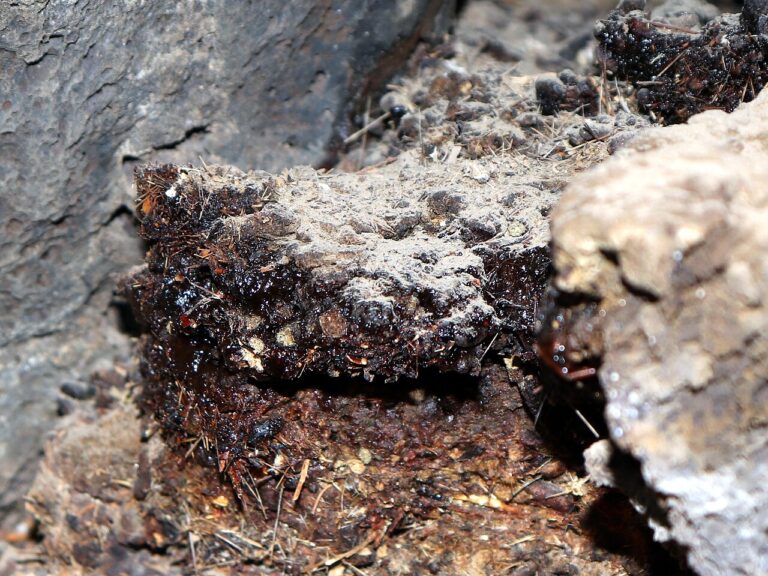
Shilajit
A dark mountain resin that Ayurveda has treated as a prized rejuvenating tonic for centuries, now sold worldwide for energy and men's vitality, and one of the supplements most likely to be contaminated.
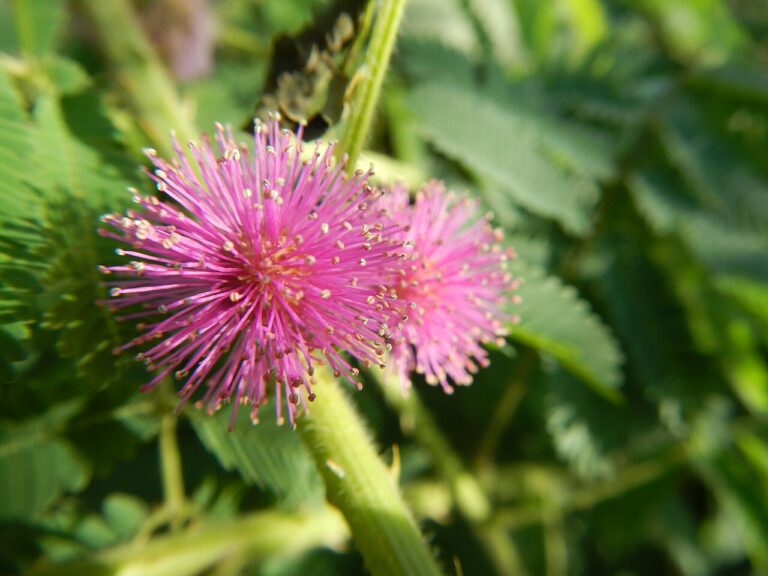
Mimosa Pudica Seed
Mimosa pudica, the "sensitive plant" whose leaves fold shut when touched, has become one of the most talked-about parasite-cleanse seeds online. Members get the full entry: its Ayurvedic and folk history, what the lab studies do and don't show, what labels list, and the safety gaps to know before trying it.
Sea Moss (Irish Moss)
A red seaweed from rocky North Atlantic shores that Irish families boiled into a soothing drink for coughs and colds, and that Caribbean kitchens turned into a thick, spiced milk drink for strength. Today it's a popular gel and gummy sold as a mineral-rich "superfood".
Quercetin
Quercetin is the most common flavonoid in the human diet, the yellow pigment behind onion skins and apple peels. Here's how naturopaths use it, the traditional herbs that are rich in it, and what the research shows.