Pomegranate is a well-loved fruit and an old Ayurvedic remedy for loose stools, worms and acidity. Here’s what’s known about the juice, the extract and the rind, and why the root and peel need care.

Similar Posts
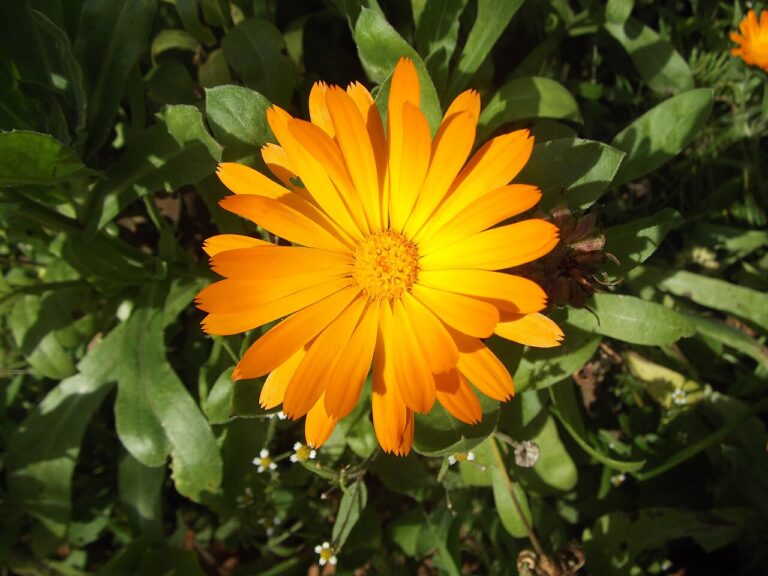
Calendula
The bright orange "pot marigold" of cottage gardens, used for centuries to soothe sore skin and dress wounds. Today it's one of the best-known herbs in creams, salves and baby balms.
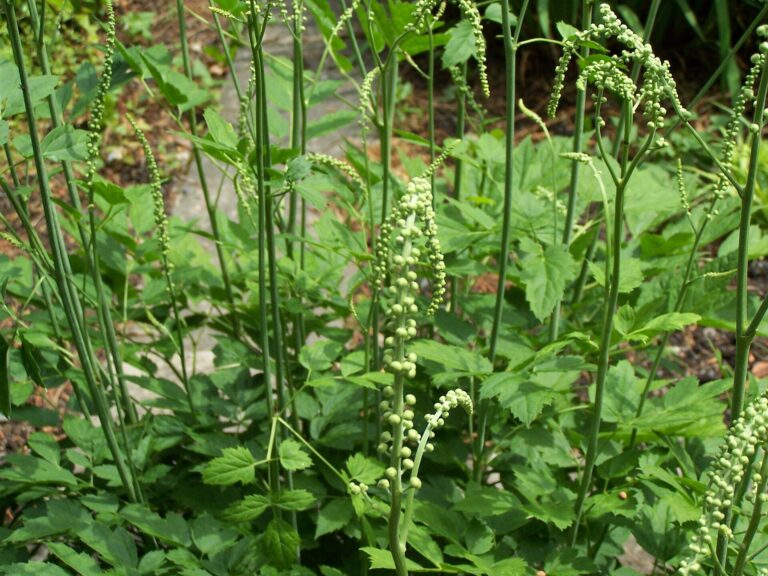
Black Cohosh
A tall woodland plant with white flower spikes, used by Indigenous peoples of eastern North America and by 19th-century Eclectic doctors, and now one of the best-known herbs for hot flushes. Here's what the tradition used it for, what the menopause studies really show, the EU amounts, and why its rare liver warning matters.
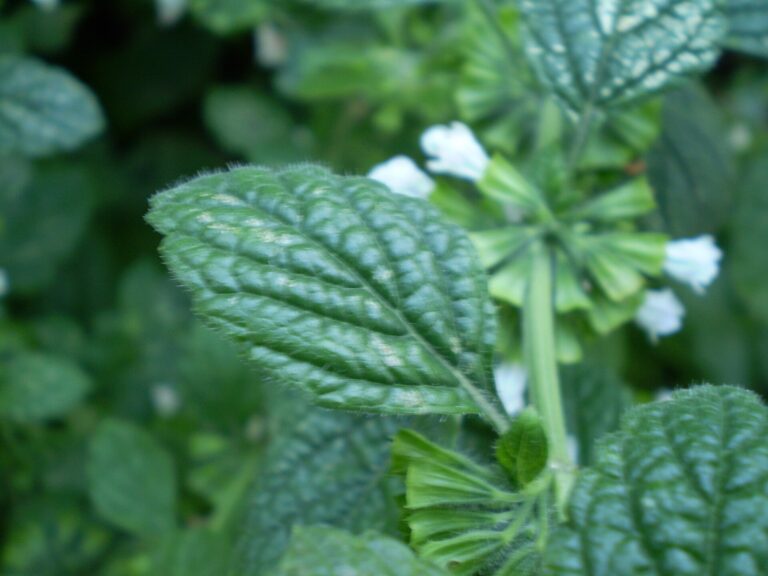
Peppermint
Peppermint has settled stomachs and freshened breath since ancient Egypt, and today it's one of the few herbs with solid research behind it, especially for an irritable gut. Here's how tradition uses the leaf and the oil, what the studies show, and who should skip it.
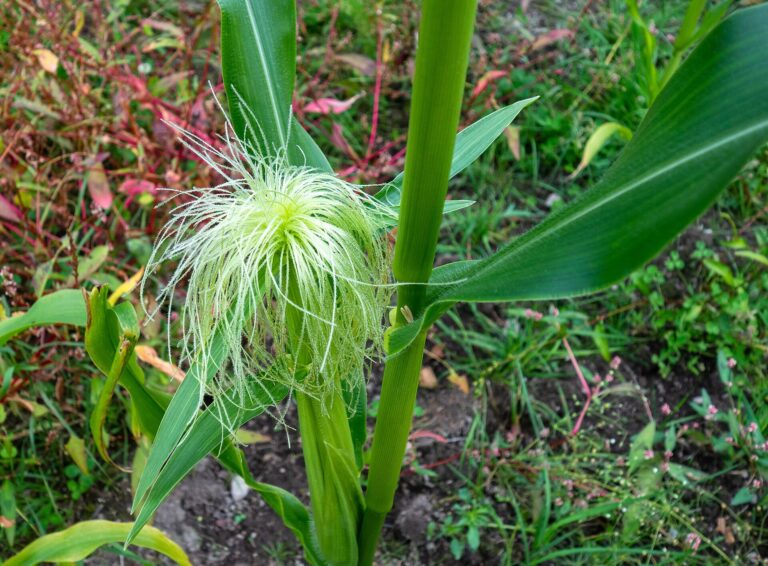
Corn Silk
Corn silk, the fine threads at the top of an ear of corn, is a gentle traditional tea for the bladder and puffiness in Chinese and Native American medicine. Here is its history, the draft EU monograph amounts, what the evidence does and does not show, and the potassium and medicine cautions.
Parsley
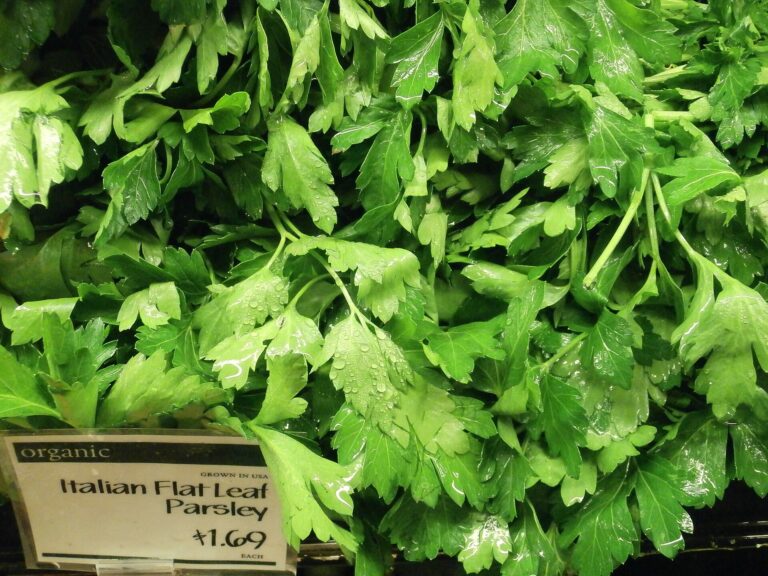
Parsley is the kitchen herb detoxers turn into "kidney flush" teas, parsley water and green juices. Here is its traditional "water herb" use, what the evidence does and does not show, why it does not dissolve kidney stones, and the pregnancy, oxalate and medicine cautions.
Nausea: natural options
Ginger, wrist acupressure, a sniff of an alcohol swab, cold sips and dry crackers: some nausea remedies have real trials behind them and others are mostly tradition. This entry sorts them by evidence and lists the signs that mean nausea needs a doctor, not a cup of tea.