Every detox tradition starts with water, and for good reason: it’s how the body carries waste out through urine, sweat and the bowels. Members can read how much people need, how the traditions drink it, and the one time more isn’t better.

Similar Posts
Modified Citrus Pectin
Modified citrus pectin is a citrus-peel fibre that's been broken into smaller pieces, and detoxers use it as a gentle binder. Members can read what the small studies found, how people take it, and the safety points to know first.
Papaya Seeds
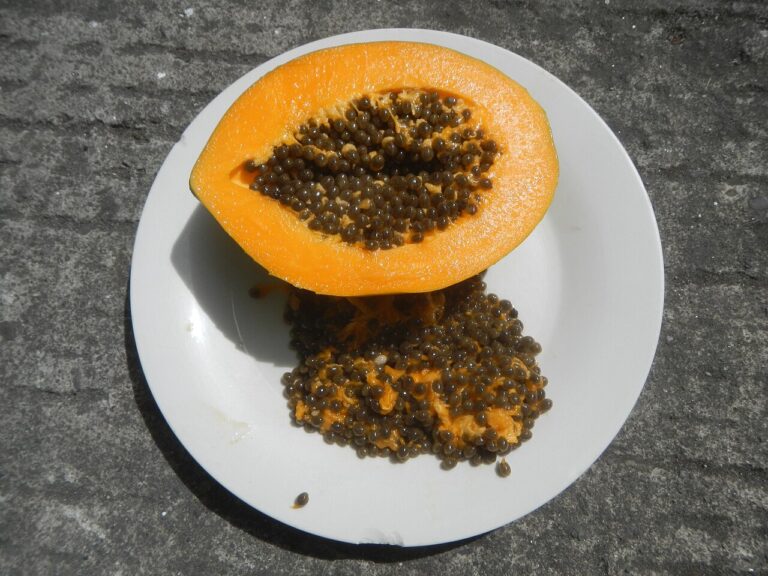
Those small black seeds you scoop out of a papaya have a long folk reputation as a worm remedy, and they've lately become a social-media "parasite cleanse". Members get the full entry: where the idea comes from, the two small studies in children behind it, typical amounts used in research, and the fertility and pregnancy cautions to know first.
Uva Ursi
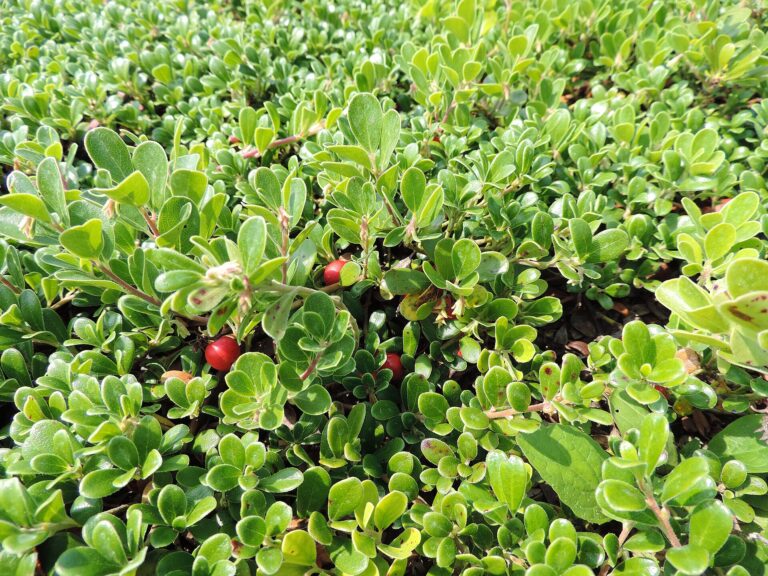
Uva ursi, or bearberry, is one of the best-known traditional bladder herbs, and one with the strictest limits. Here is its history from Welsh physicians to kinnikinnick, what the EU monograph and a 382-woman trial say, the one-week amounts, and who should not use it.
Hawthorn
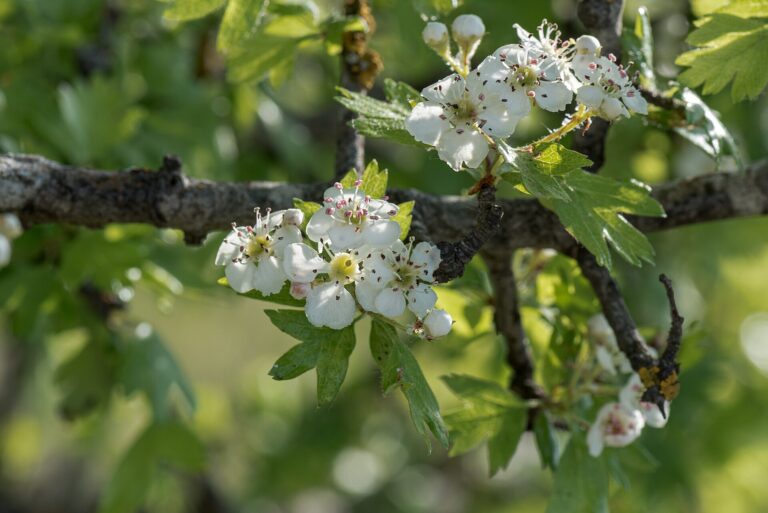
For nearly 2,000 years hawthorn has been Europe's best-known heart herb, and in Chinese medicine its tart red fruit is a classic digestive. Here's what tradition uses it for, what the studies show, and why anyone on heart medicine needs to check before taking it.
Flaxseed
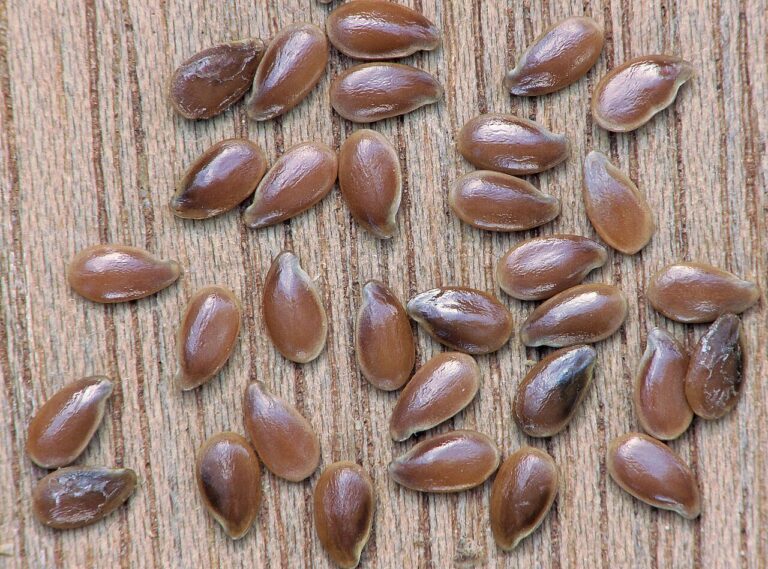
The small brown or golden seed behind linseed tea, old-fashioned linseed poultices and today's breakfast sprinkle. Flax has been a food, fibre and folk remedy for thousands of years and is now one of the better-studied seeds for the bowels and blood pressure.
Zeolite (Clinoptilolite)
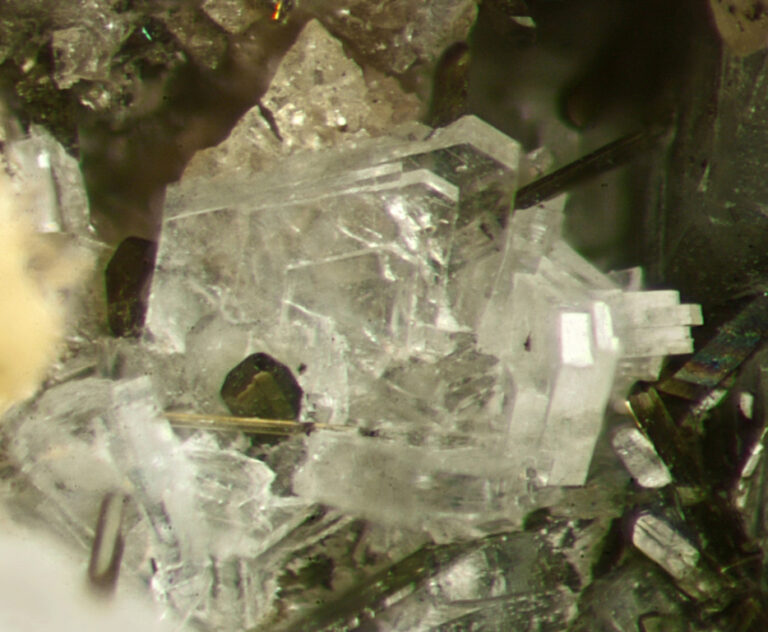
Zeolite is a volcanic mineral with a honeycomb of tiny pores, and people take the purified form as a binder during a detox. Members get the full entry: what the (still small) research shows, common forms, typical amounts and who should steer clear.