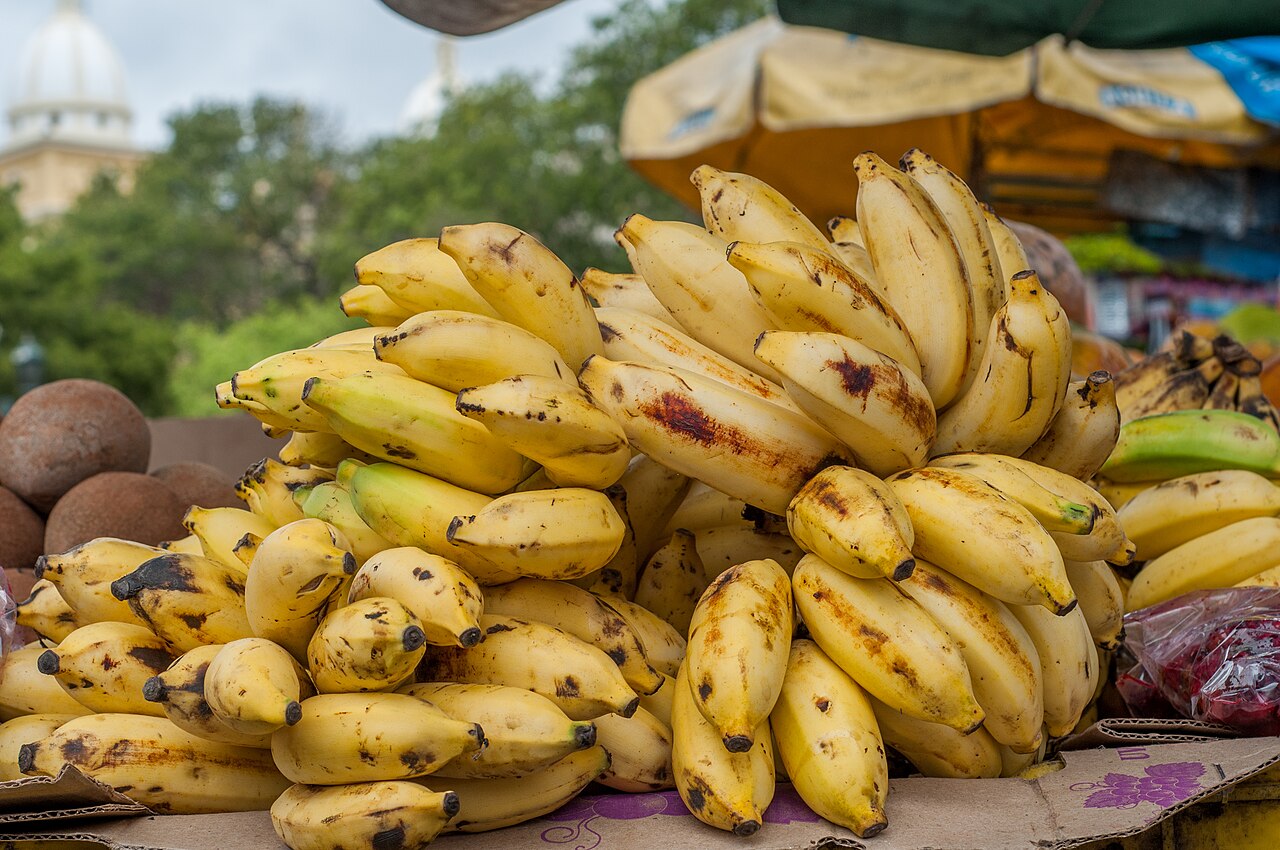
Potassium is the mineral most of us eat too little of — and the one behind the electrolyte drinks, powders and salt substitutes on every shelf. Here’s what it does, who runs low, the foods richest in it, and why the supplement aisle caps it at 99 mg.
Similar Posts
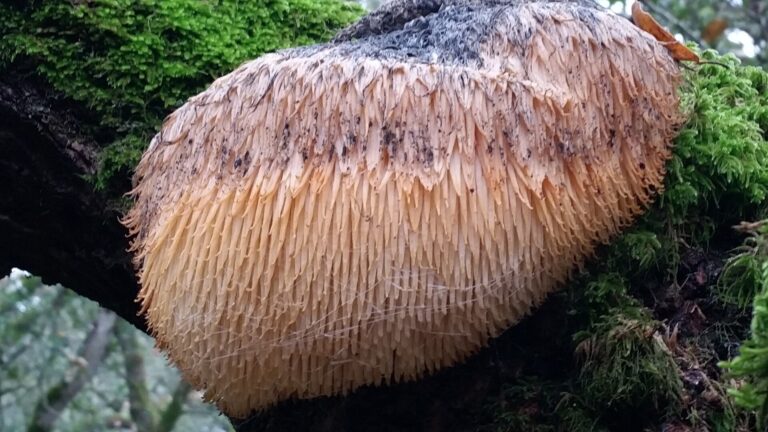
Lion’s Mane Mushroom
Lion's mane is the shaggy white "monkey head" mushroom of Chinese and Japanese tradition, eaten as a delicacy and used for centuries to support the stomach and, more recently, memory and mood. Here's what tradition says, what the early research shows, and who should be careful with it.
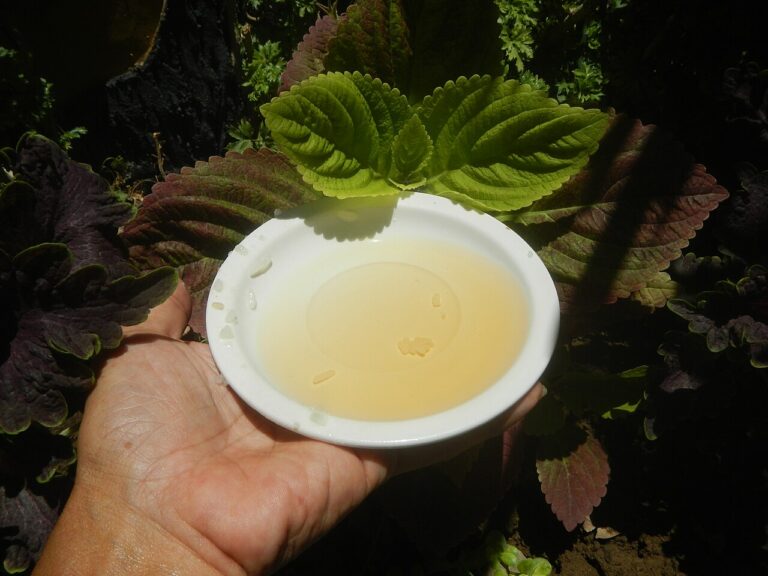
Apple Cider Vinegar
People have used vinegar as a kitchen remedy for thousands of years, from Hippocrates' wound care to the honey-and-vinegar tonics of Persian medicine. Here's what tradition says, what the small modern studies found, and how to take it without hurting your throat.
TUDCA and Ox Bile
TUDCA and ox bile are bile-acid supplements sold for "liver detox", bile flow and fat digestion, especially after gallbladder removal. Here's what the research on the related drug ursodiol shows, what's missing for supplements, and who must get checked first.
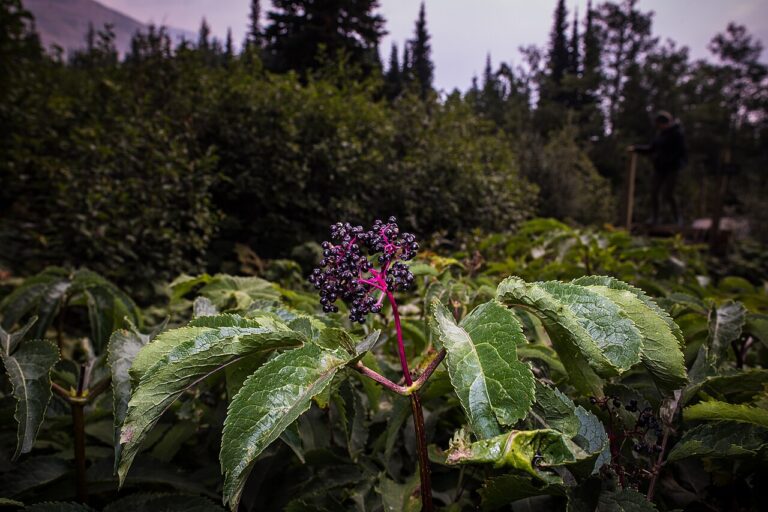
Elderberry (Sambucus nigra)
A dark purple berry that European households have cooked into syrups for generations at the first sign of a cold. Today it's one of the most popular herbal supports for the cold and flu season.
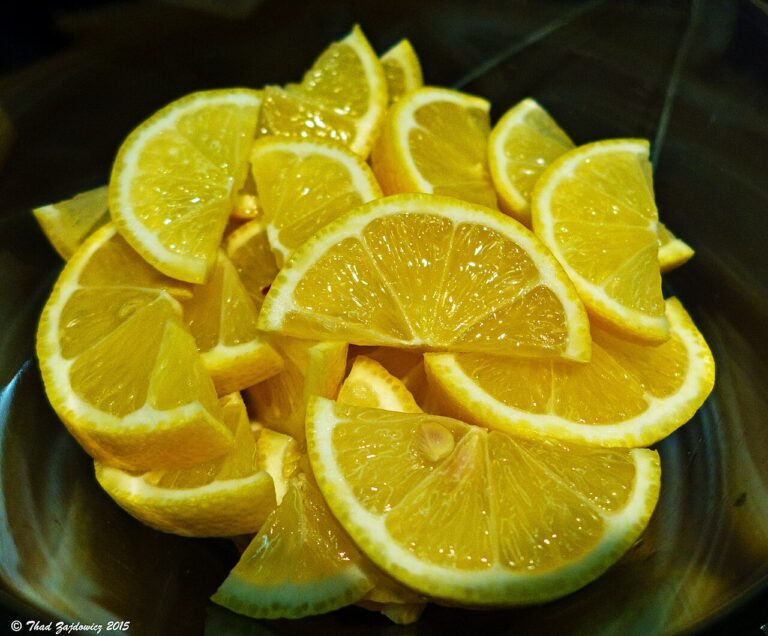
Warm lemon water in the morning
The simplest and most widely kept morning ritual in natural health. Here is what is actually in the glass, the one use with real clinical interest behind it, and the small habit that keeps it kind to your teeth.
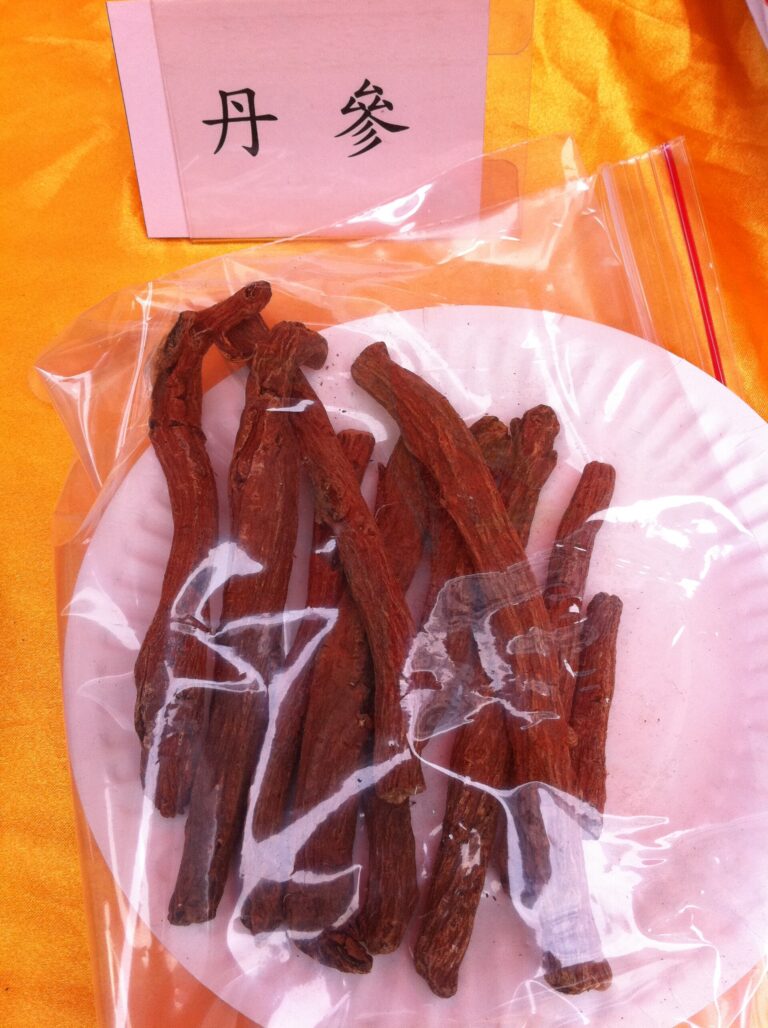
Danshen (Safety Profile)
Danshen, the red root of a Chinese sage, is one of the most-used herbs in Chinese medicine for the heart and circulation. It also thins the blood, which makes it one of the riskiest herbs to mix with warfarin and other blood thinners.