Herbal Library

Members-only herb and supplement profiles from a traditional and naturopathic point of view.

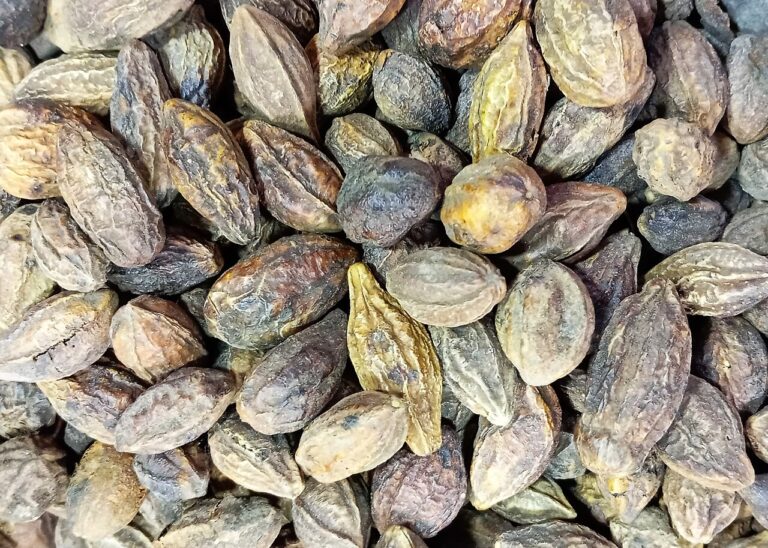
  • Triphala

    Triphala, "three fruits", is one of the best-known formulas in Ayurveda: a simple blend of three dried Indian fruits taken for generations as a gentle daily tonic for digestion and regularity. Here's what it's traditionally used for, what researchers are looking at, and how to use it well.

    Members-only guide

    The full guide, with how to use it and the safety notes, is in the Remedies Vault.

    See what’s in the Vault

    Already a member? Log in here
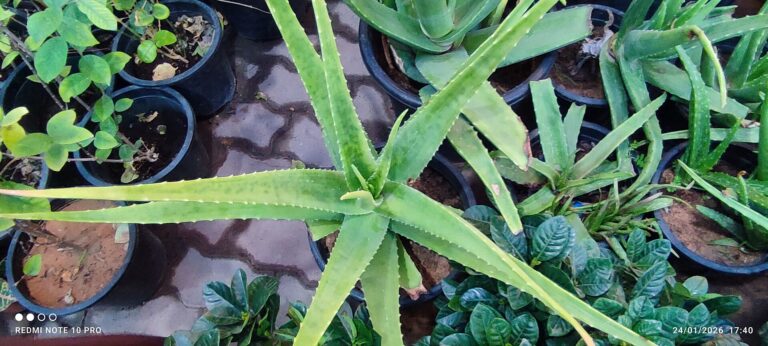
  • Aloe Vera

    The plant on so many kitchen windowsills has been reached for after burns, sunburn and kitchen scrapes for generations, and its clear gel is now being studied for skin, mouth and blood-sugar support. Here's how the gel, the latex and the whole leaf differ, and how people use each one.

    Members-only guide

    The full guide, with how to use it and the safety notes, is in the Remedies Vault.

    See what’s in the Vault

    Already a member? Log in here
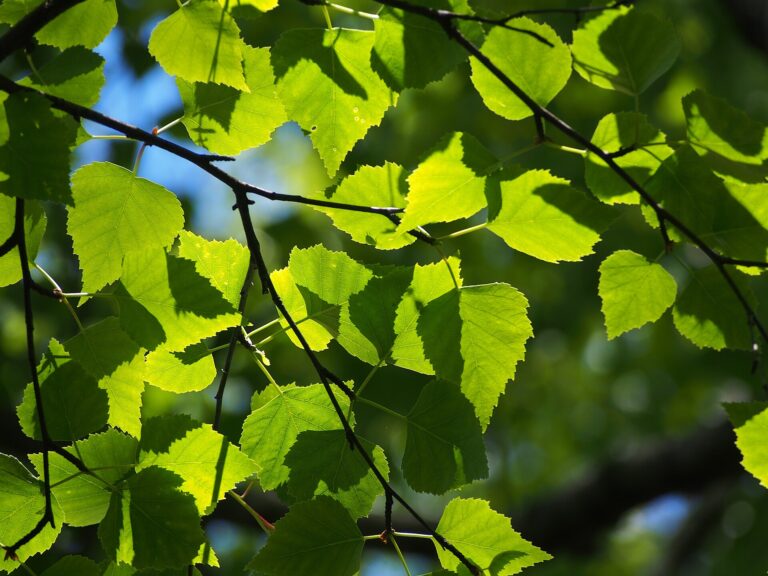
  • Birch Leaf

    In Northern and Eastern Europe the birch tree is practically a pharmacy of its own, and its spring leaves have long been brewed into a gentle "spring tea" for the kidneys and bladder. Here's how birch leaf tea is traditionally used and how to brew it the European way.

    Members-only guide

    The full guide, with how to use it and the safety notes, is in the Remedies Vault.

    See what’s in the Vault

    Already a member? Log in here
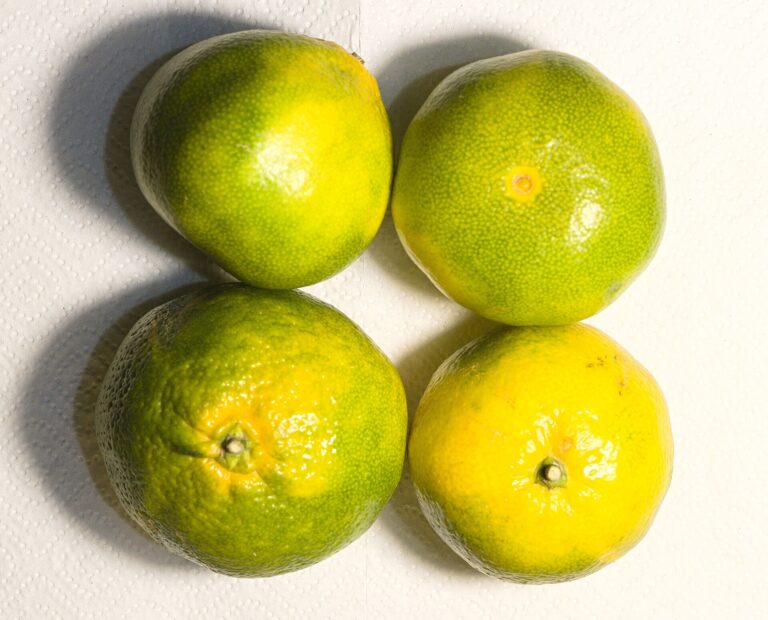
  • Qing Pi (Green Tangerine Peel)

    Chinese medicine makes two herbs from the same little tangerine: the gentle ripe peel and the sharper green peel picked early. Qing pi is the one practitioners reach for when tension, fullness and that "stuck" feeling under the ribs won't shift.

    Members-only guide

    The full guide, with how to use it and the safety notes, is in the Remedies Vault.

    See what’s in the Vault

    Already a member? Log in here
  • Horse Chestnut

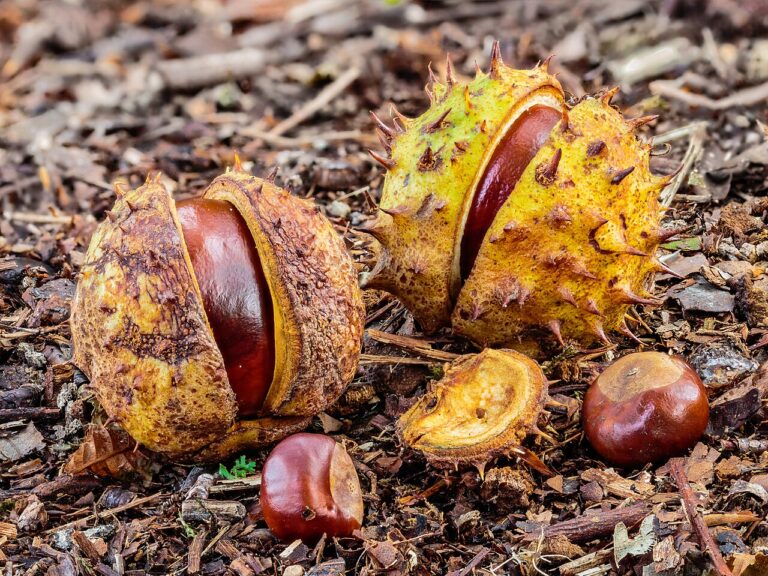
    Horse chestnut is the old European "vein herb": the shiny conker that generations reached for when legs felt heavy, achy and swollen by evening. Its seed extract is one of the best-studied herbs for tired legs. Members can read the tradition, the research, and why only the prepared extract is used.

    Members-only guide

    The full guide, with how to use it and the safety notes, is in the Remedies Vault.

    See what’s in the Vault

    Already a member? Log in here
  • Tamarind

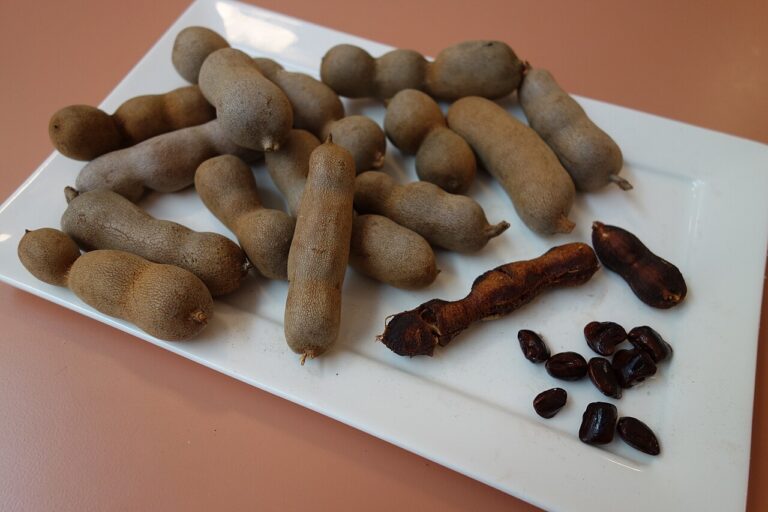
    Tamarind is the sweet-sour pulp behind chutneys, pad thai, agua de tamarindo and a hundred other kitchen favourites, and in India, Africa and the tropics it has long been a home remedy for a sluggish gut. Members can read the traditions, what researchers are finding interesting, and the simple cautions.

    Members-only guide

    The full guide, with how to use it and the safety notes, is in the Remedies Vault.

    See what’s in the Vault

    Already a member? Log in here
  • Shankhapushpi

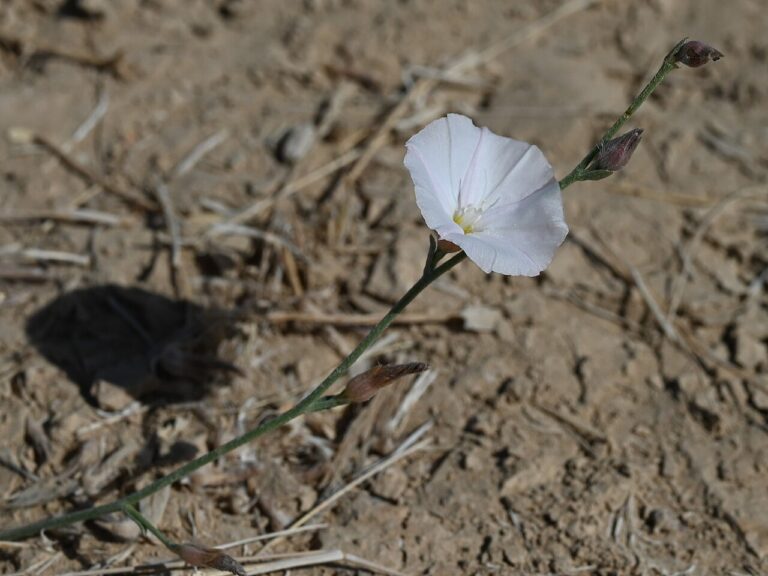
    In Ayurveda, a small morning-glory with conch-shaped flowers is one of the four classic "mind tonics", given to students before exams and to anyone whose thoughts won't settle. Here's the long story of shankhapushpi, what people use it for today, and what to know before you try it.

    Members-only guide

    The full guide, with how to use it and the safety notes, is in the Remedies Vault.

    See what’s in the Vault

    Already a member? Log in here
  • Chen Pi (Aged Mandarin Peel)

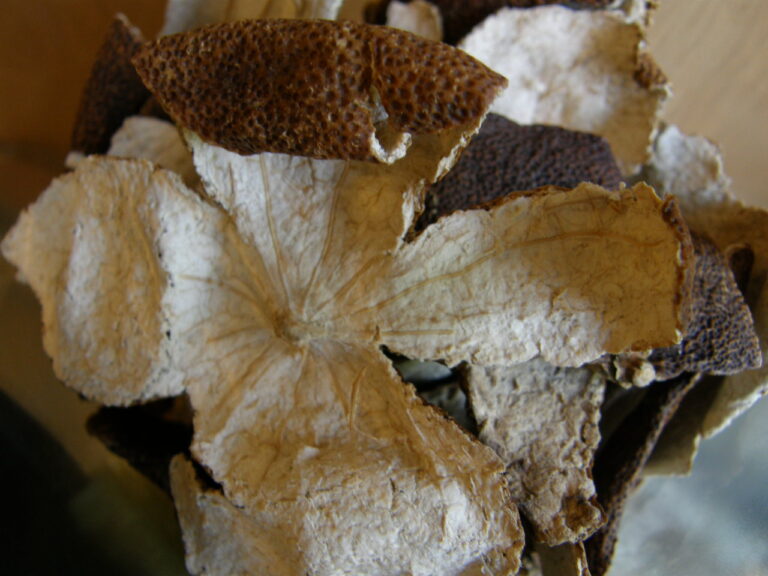
    For centuries Chinese families have kept a jar of sun-dried tangerine peel in the kitchen, and the older it gets, the more prized it becomes. It's the peel people reach for when a meal sits heavy, when phlegm won't shift, or when a cold settles in the chest.

    Members-only guide

    The full guide, with how to use it and the safety notes, is in the Remedies Vault.

    See what’s in the Vault

    Already a member? Log in here