
Mustard Seed
The seed in your mustard jar was once the go-to chest plaster and digestive spice. Here's how it was used, what the research says, and why mustard plasters can burn.
Members-only herb and supplement profiles from a traditional and naturopathic point of view.
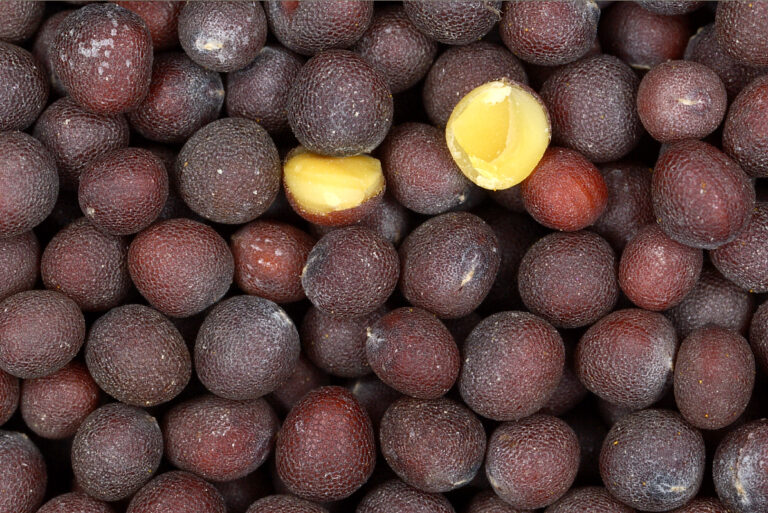
The seed in your mustard jar was once the go-to chest plaster and digestive spice. Here's how it was used, what the research says, and why mustard plasters can burn.
The full guide, with how to use it and the safety notes, is in the Remedies Vault.
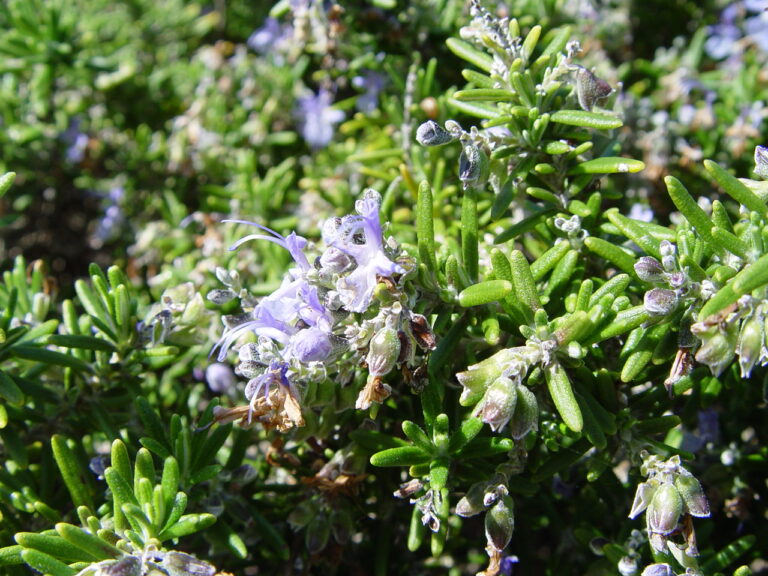
The kitchen herb tied to memory since Shakespeare, used for centuries for digestion, sore muscles and the scalp. Here's what tradition and research say.
The full guide, with how to use it and the safety notes, is in the Remedies Vault.
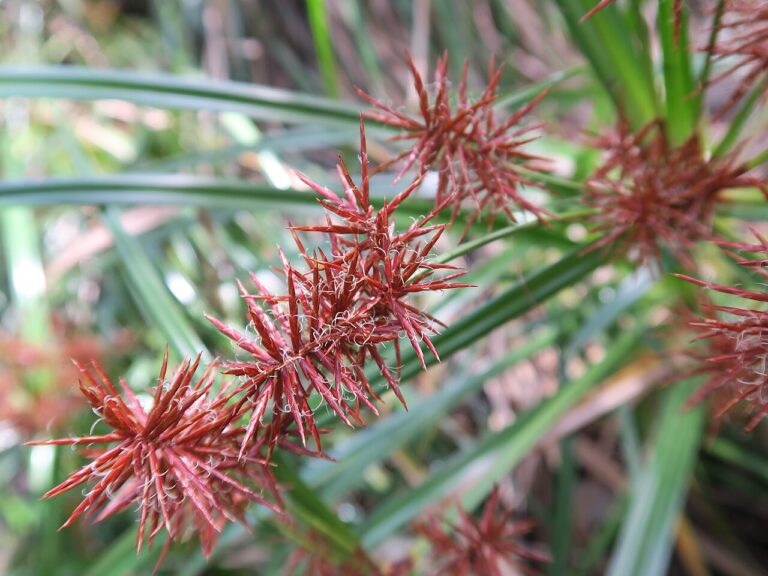
A common weed with a long life in Ayurvedic and Chinese medicine, musta is used for loose stools, digestion, fever and period discomfort. Here's the tradition, the thin research, and the cautions.
The full guide, with how to use it and the safety notes, is in the Remedies Vault.
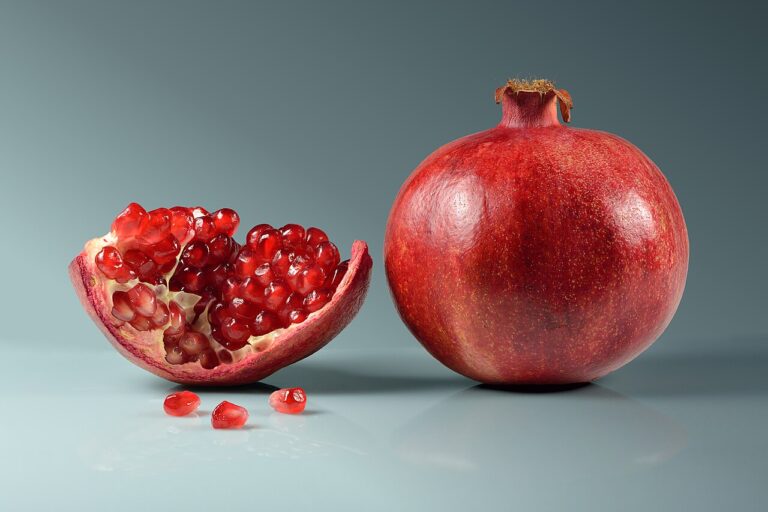
Pomegranate is a well-loved fruit and an old Ayurvedic remedy for loose stools, worms and acidity. Here's what's known about the juice, the extract and the rind, and why the root and peel need care.
The full guide, with how to use it and the safety notes, is in the Remedies Vault.
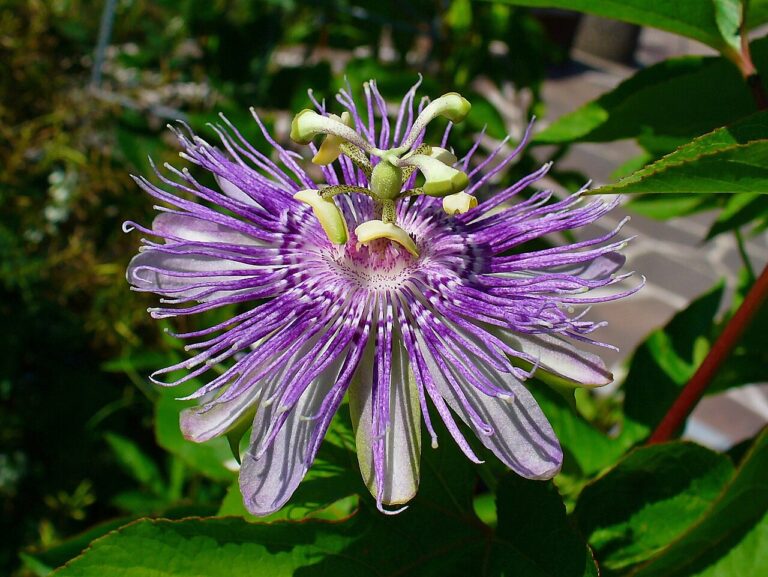
A climbing vine native to the southeastern US, passionflower has been a calming and sleep herb since Spanish explorers learned of it in the 1500s. Here's what tradition, the official monographs and the research say, plus who should skip it.
The full guide, with how to use it and the safety notes, is in the Remedies Vault.
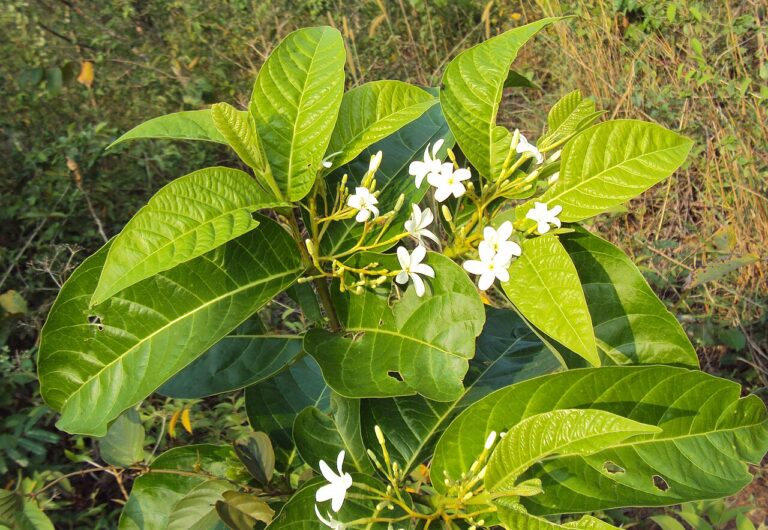
Kutaja bark is Ayurveda's best-known herb for loose stools and dysentery, and it was once sold in Western pharmacies as "conessi". This profile covers the tradition, why its strong alkaloids make it a practitioner-only herb, and gentler options to try first.
The full guide, with how to use it and the safety notes, is in the Remedies Vault.
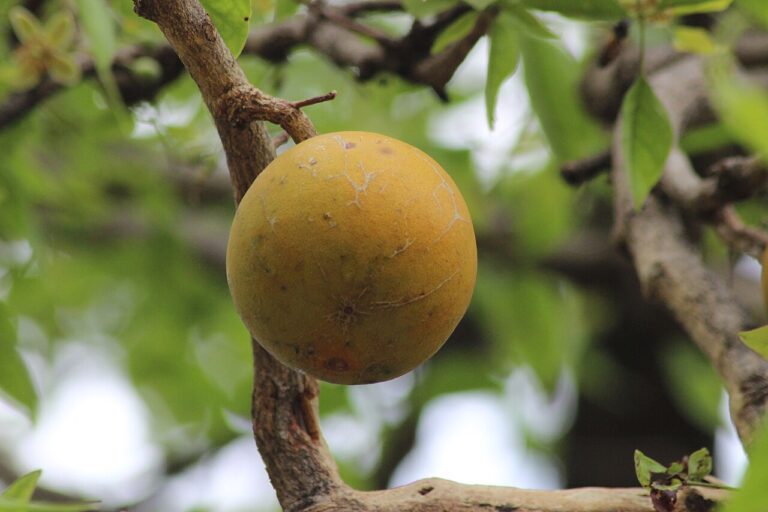
Bael is a hard-shelled fruit from a tree sacred in India, and its unripe pulp is one of Ayurveda's best-known standbys for loose stools. Here's what tradition and research say, and why unripe and ripe fruit are used so differently.
The full guide, with how to use it and the safety notes, is in the Remedies Vault.
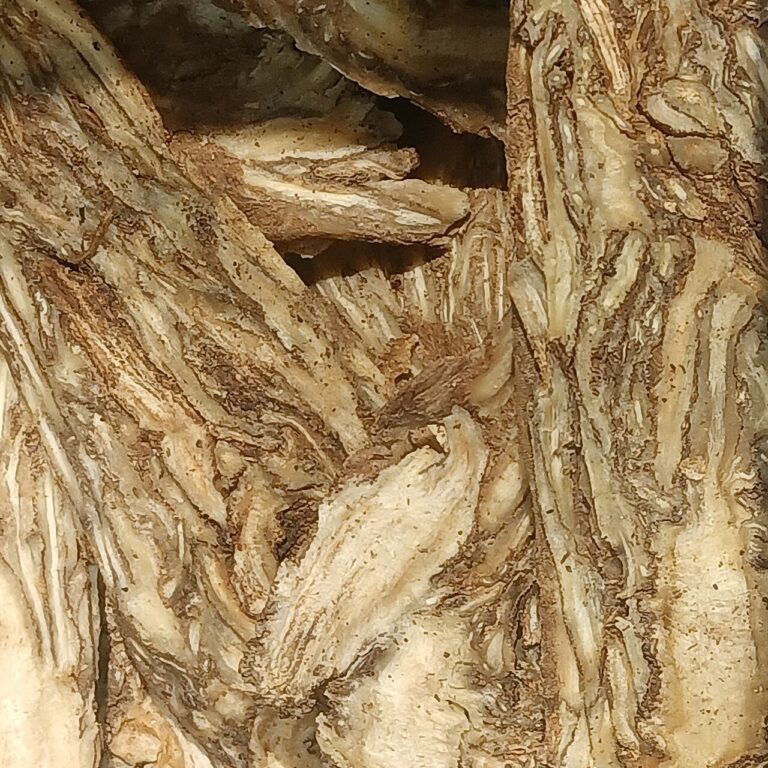
Called "female ginseng," dong quai is the root at the heart of Chinese women's formulas such as Si Wu Tang, used for centuries to nourish the blood and support the monthly cycle. Here's what tradition says, what the studies found, and why it needs care around blood thinners, sun and hormones.
The full guide, with how to use it and the safety notes, is in the Remedies Vault.
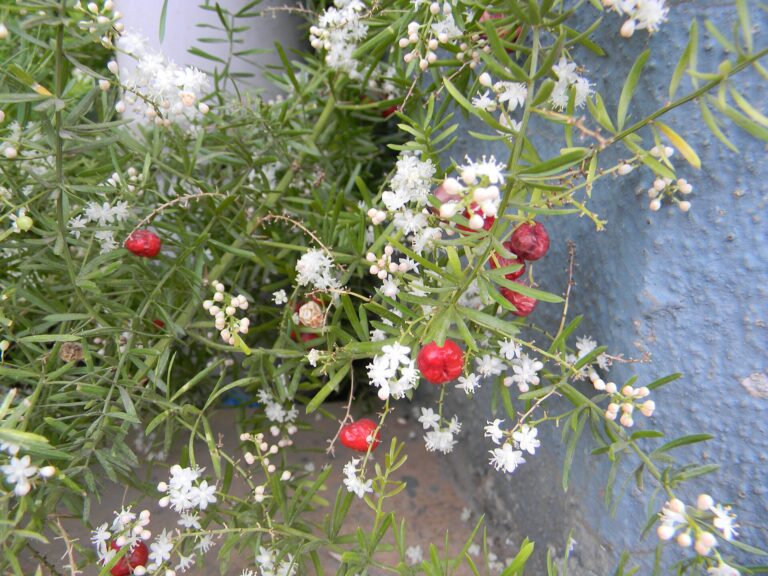
Shatavari is one of Ayurveda's best-known "women's tonics", a cooling, nourishing root used for centuries for breast milk, the monthly cycle and strength. Here's what tradition says, what the small studies show, and who should be careful with it.
The full guide, with how to use it and the safety notes, is in the Remedies Vault.
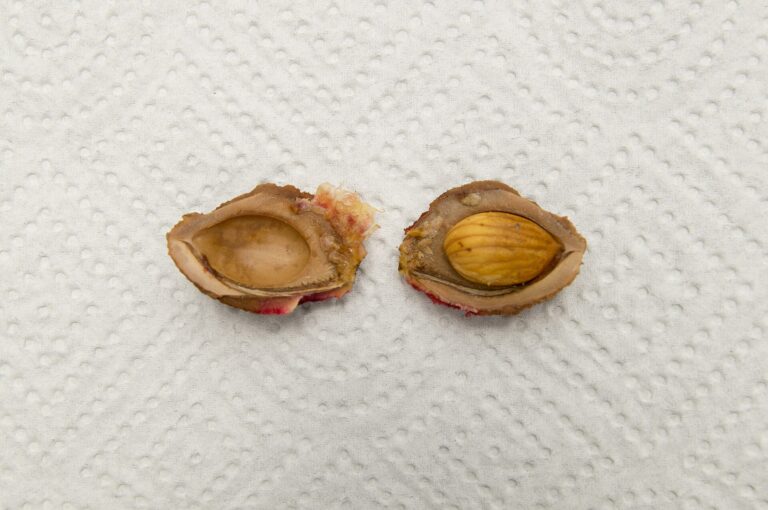
Peach kernel is a classic Chinese herb for menstrual pain and constipation, but the raw seed contains amygdalin, which the body turns into cyanide. This profile explains the tradition and why it's a practitioner-only herb.
The full guide, with how to use it and the safety notes, is in the Remedies Vault.