
Tormentil
Tormentil is a small yellow-flowered moorland plant whose red, tannin-rich root has been a European standby for loose stools and sore mouths for centuries. Here's what tradition and the EU monograph say, and how to use it carefully.
Members-only herb and supplement profiles from a traditional and naturopathic point of view.
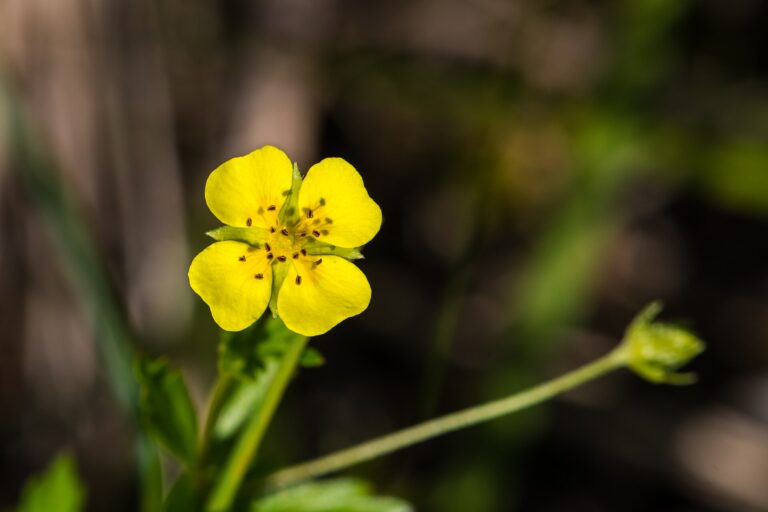
Tormentil is a small yellow-flowered moorland plant whose red, tannin-rich root has been a European standby for loose stools and sore mouths for centuries. Here's what tradition and the EU monograph say, and how to use it carefully.
The full guide, with how to use it and the safety notes, is in the Remedies Vault.
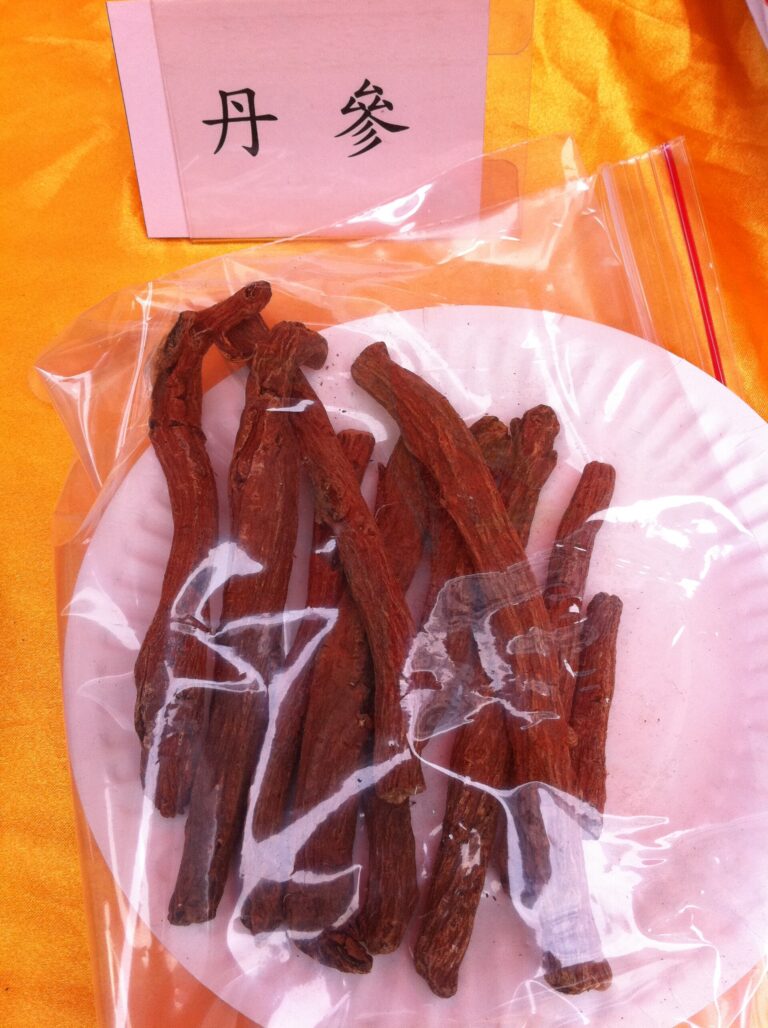
Danshen, the red root of a Chinese sage, is one of the most-used herbs in Chinese medicine for the heart and circulation. It also thins the blood, which makes it one of the riskiest herbs to mix with warfarin and other blood thinners.
The full guide, with how to use it and the safety notes, is in the Remedies Vault.
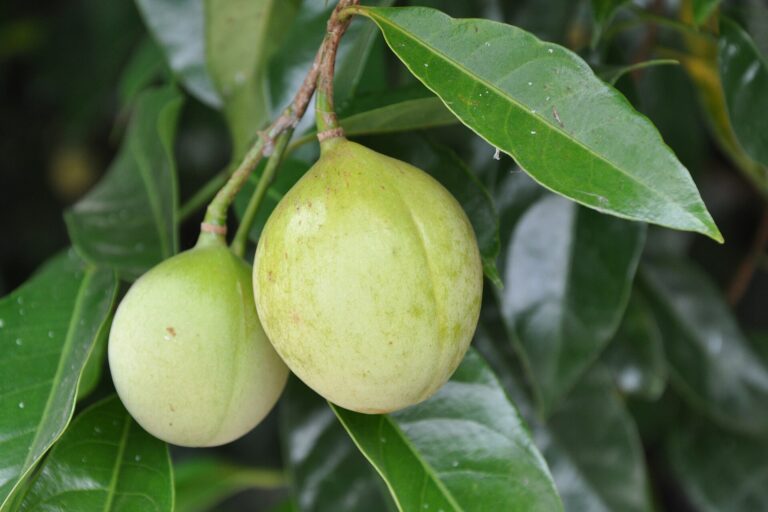
Nutmeg is the warm baking spice in eggnog and pumpkin pie, and an old Ayurvedic and Unani remedy for the gut and for sleep. In kitchen amounts it is a food; in spoonfuls it is a poison, which is why this profile leads with safety.
The full guide, with how to use it and the safety notes, is in the Remedies Vault.
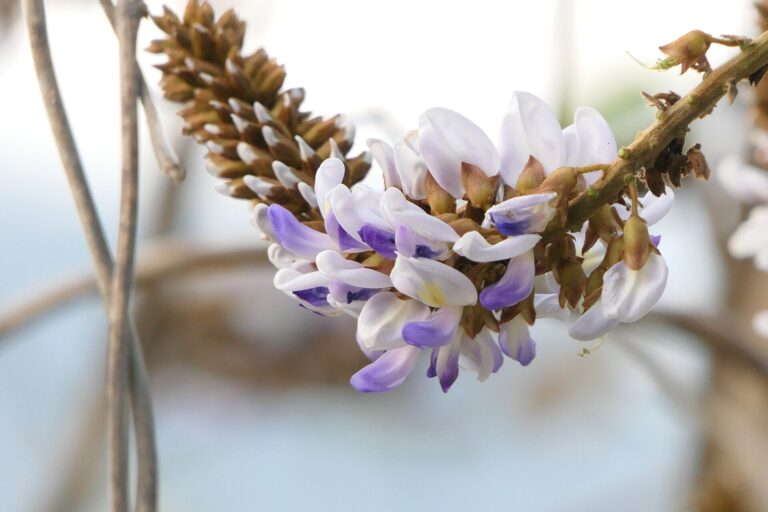
Vidari is a sweet, cooling Ayurvedic root used as a strength-building rejuvenative, a traditional aid for new mothers' milk, and a pitta-soothing herb in acid-indigestion regimes. Here's what the tradition says, the (mostly animal) research on its isoflavones, why it's often mixed up with other "vidari" roots, and who should skip it.
The full guide, with how to use it and the safety notes, is in the Remedies Vault.
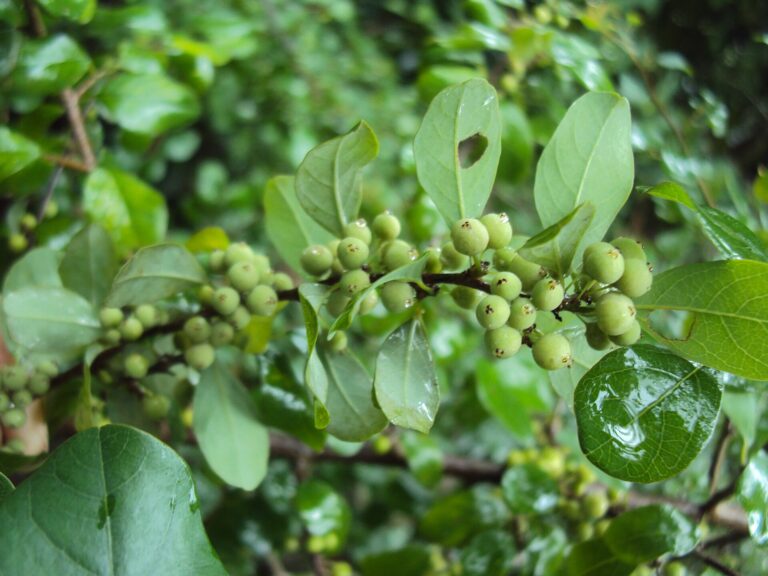
Guggul is the fragrant resin at the heart of Ayurveda's "guggulu" tablets, used for centuries for joints, weight and skin. Here's what the tradition uses it for, why a well-known US trial surprised everyone, and the rash, thyroid and medicine cautions to know first. The tree is also critically endangered, so where it comes from matters.
The full guide, with how to use it and the safety notes, is in the Remedies Vault.
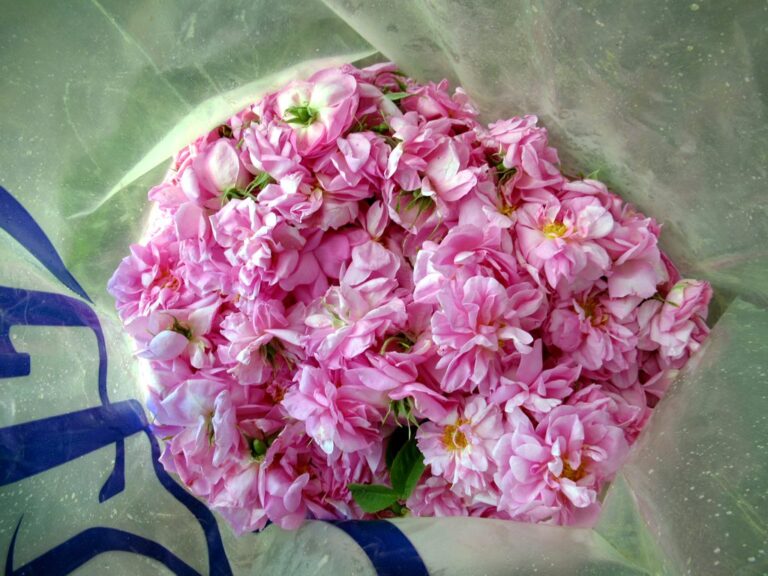
Long before rose was a perfume, Persian, Greek and European healers used the petals for sore mouths, nervous hearts and slow bowels. Today the EU recognises rose flower infusions for mild mouth, throat and skin inflammation, and one study tested rose tea for period pain. Here's the tradition, the research, how to brew it, and the cautions that matter.
The full guide, with how to use it and the safety notes, is in the Remedies Vault.
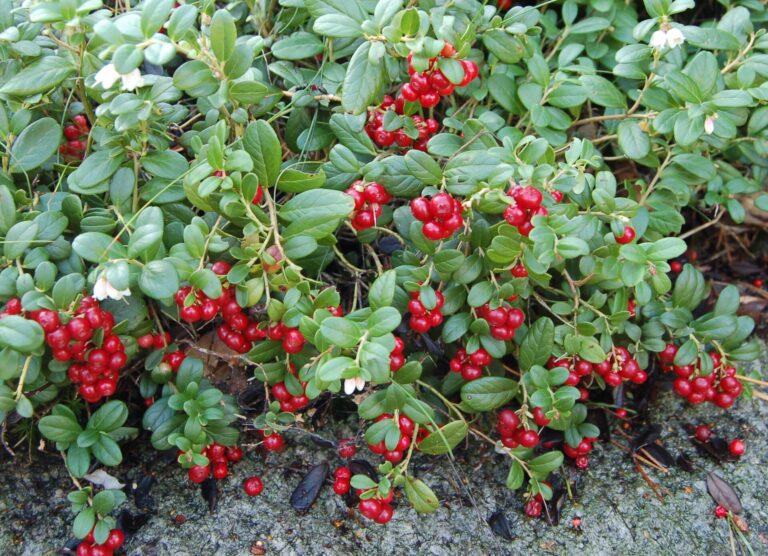
The tart red berry of Nordic kitchens and Newfoundland "partridgeberry" jam is also a folk urinary remedy, and its juice, blended with cranberry, is in some of the best-known bladder-infection trials. Here's what it's used for, what the studies show, and why the berry and the leaf are two very different safety stories.
The full guide, with how to use it and the safety notes, is in the Remedies Vault.
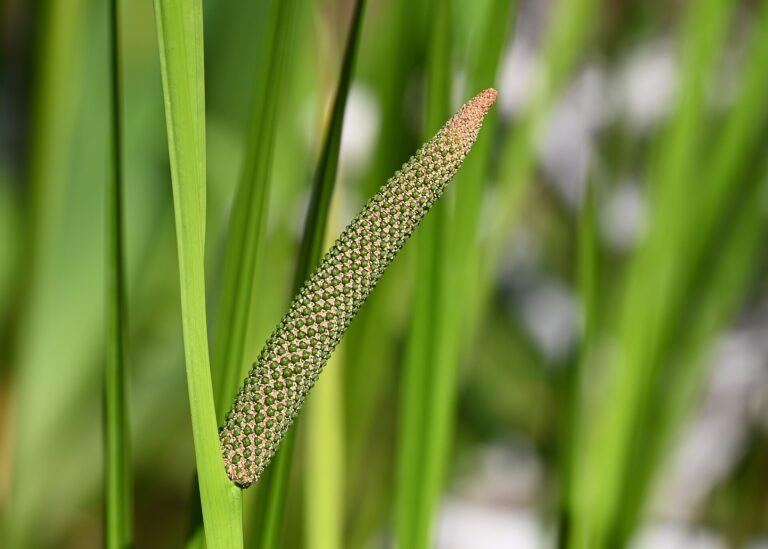
Sweet flag is an aromatic marsh plant with a long history in Ayurveda, Chinese medicine and Indigenous North American medicine. It's also one of the few herbs banned from food in the US, because its oil contains beta-asarone, which caused cancer in rodent studies.
The full guide, with how to use it and the safety notes, is in the Remedies Vault.
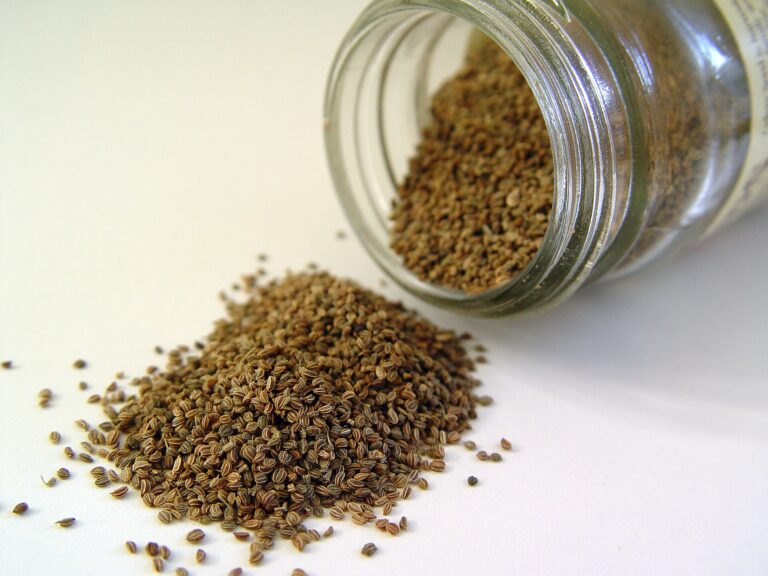
The tiny seeds of the celery plant were an old European and Middle Eastern remedy for gout, sore joints and sluggish kidneys, and a celery seed extract has now had a small blood-pressure trial. This profile covers what's known, and why celery allergy and pregnancy are the big cautions.
The full guide, with how to use it and the safety notes, is in the Remedies Vault.
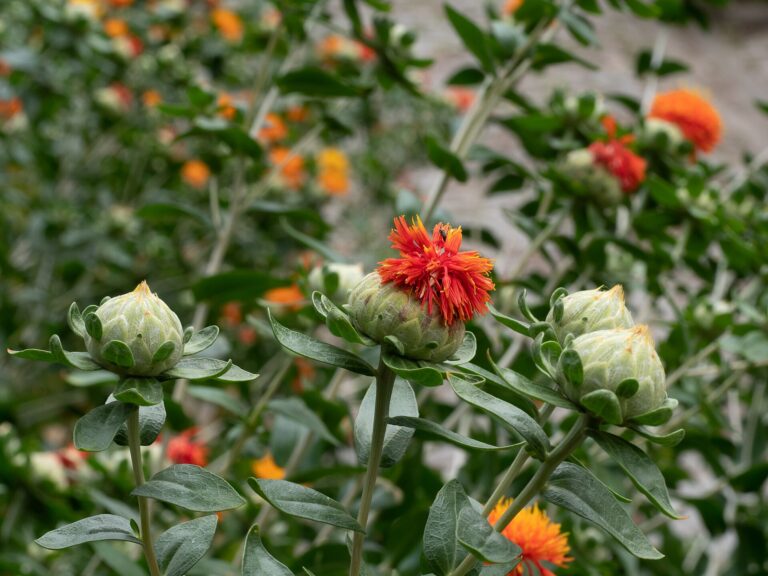
Safflower is the bright orange "false saffron" flower that's also the source of a common kitchen oil. The vault page explains why the flower and the oil are two very different products, and who should leave the flower alone.
The full guide, with how to use it and the safety notes, is in the Remedies Vault.