
Calendula
The bright orange "pot marigold" of cottage gardens, used for centuries to soothe sore skin and dress wounds. Today it's one of the best-known herbs in creams, salves and baby balms.
Members-only herb and supplement profiles from a traditional and naturopathic point of view.
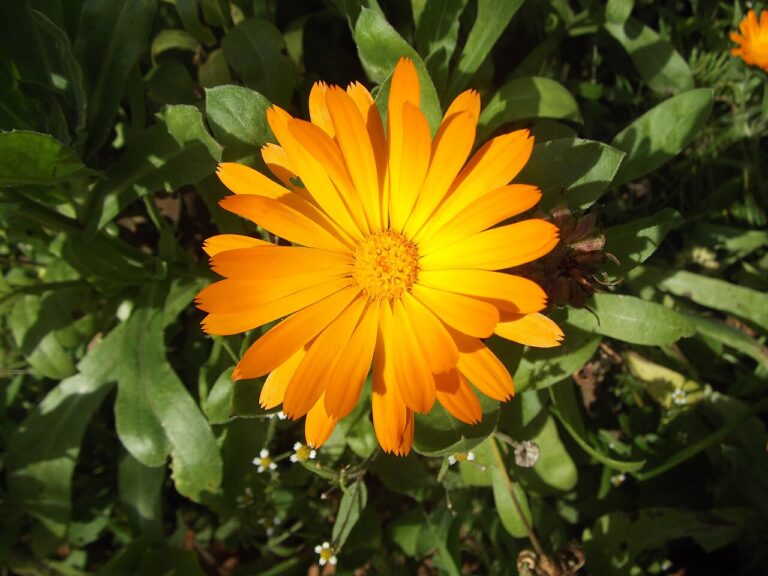
The bright orange "pot marigold" of cottage gardens, used for centuries to soothe sore skin and dress wounds. Today it's one of the best-known herbs in creams, salves and baby balms.
The full guide, with how to use it and the safety notes, is in the Remedies Vault.
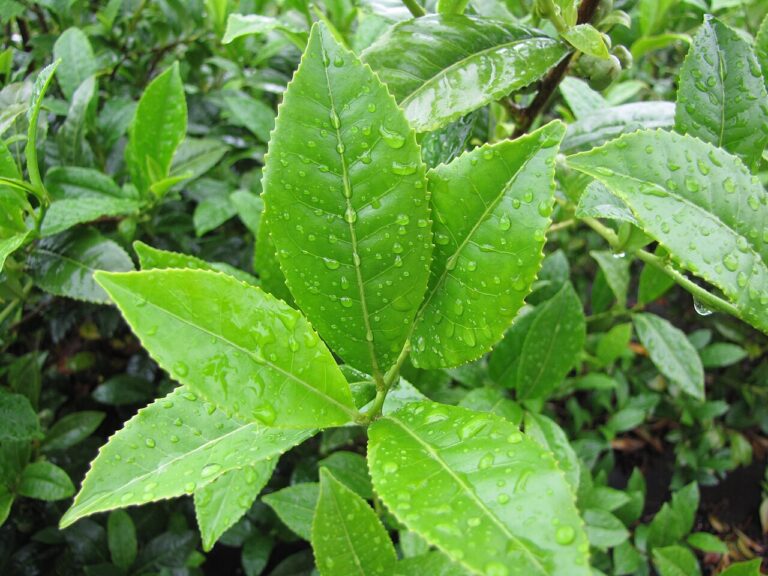
The tea plant was first grown in China thousands of years ago, and a Japanese monk wrote in 1211 that tea was a medicine for long life. Today green tea is one of the world's most-loved daily drinks, and its leaf and extracts are some of the most-studied plant compounds there are.
The full guide, with how to use it and the safety notes, is in the Remedies Vault.
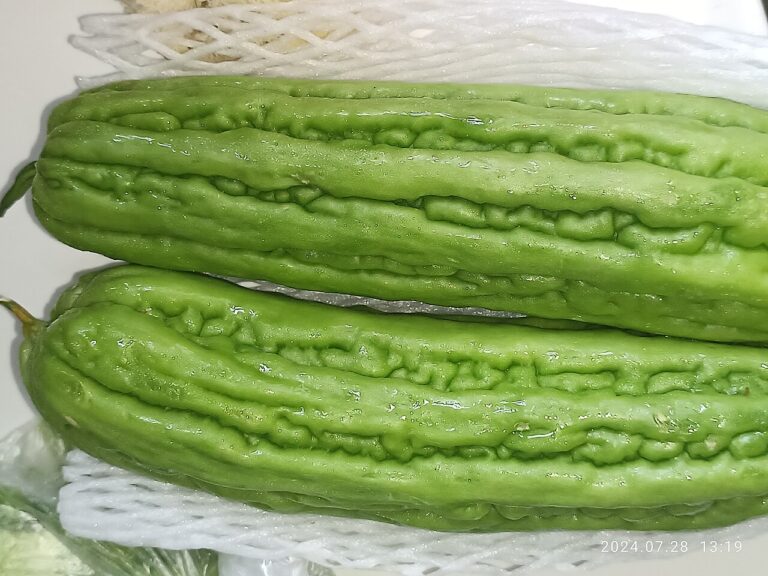
A knobbly green gourd that is everyday food from India and China to the Philippines, and the famously bitter "cerasee" bush tea of Jamaica and the Caribbean. Few plants are used in as many traditional kitchens and medicine systems at once.
The full guide, with how to use it and the safety notes, is in the Remedies Vault.
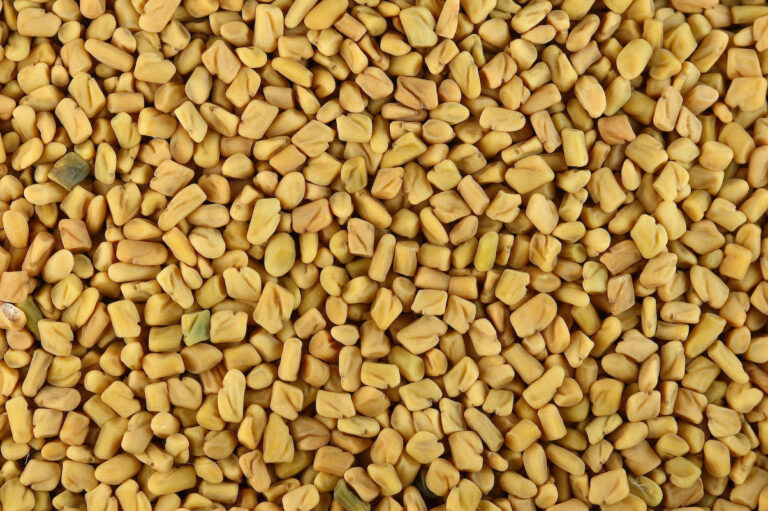
A small golden seed that has flavoured curries and fed nursing mothers for thousands of years, from ancient Egypt to India. Its maple-syrup aroma is the same one that famously lingers on the skin of people who take it.
The full guide, with how to use it and the safety notes, is in the Remedies Vault.
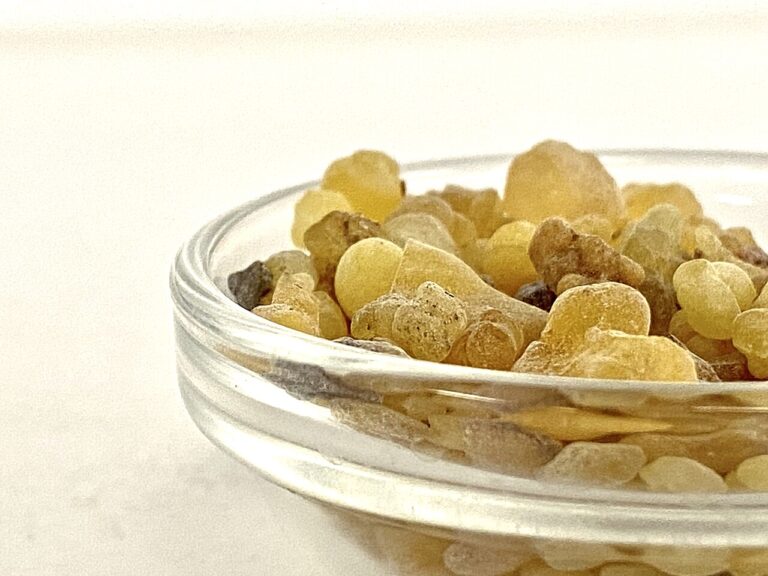
The fragrant resin of the frankincense tree, burned in temples for thousands of years and used in Ayurveda for stiff, aching joints. Today it's one of the most-studied herbs for joint comfort.
The full guide, with how to use it and the safety notes, is in the Remedies Vault.
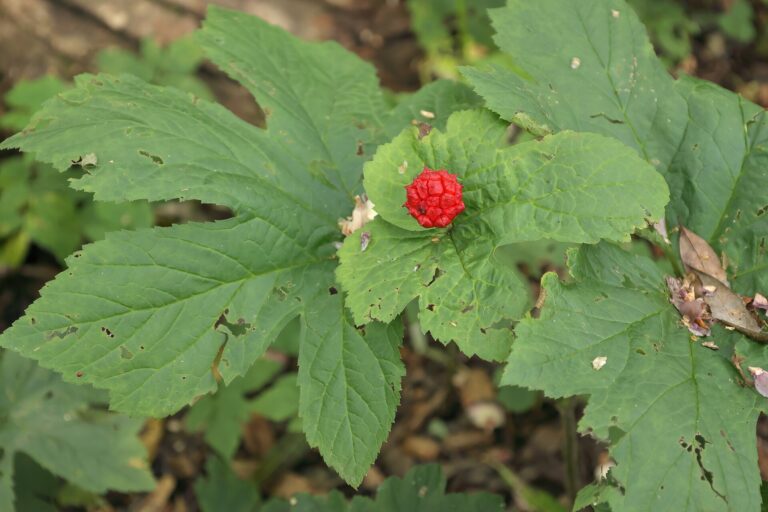
A small woodland plant of eastern North America with a bright-yellow root, used by Cherokee, Iroquois and other Indigenous nations for sore eyes, wounds and as a yellow dye. It became one of the best-known remedies of 19th-century herbal medicine, and is now so heavily harvested that it's a protected, at-risk species, so where it comes from matters.
The full guide, with how to use it and the safety notes, is in the Remedies Vault.
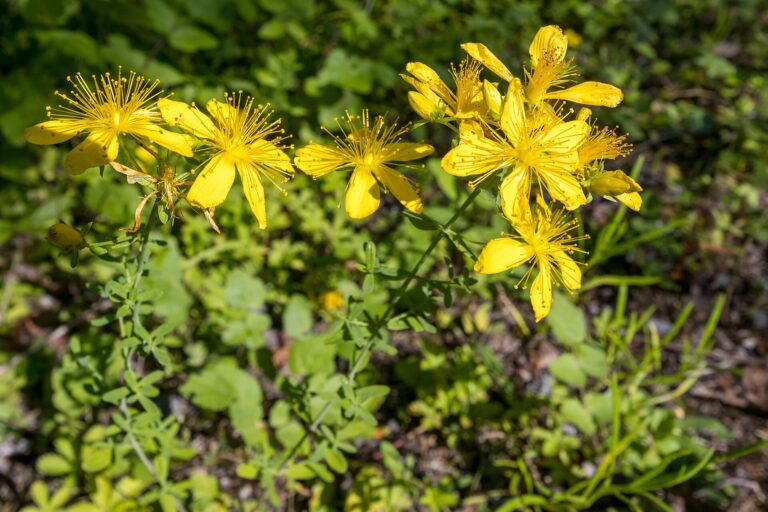
A bright yellow summer flower named after St. John, gathered around Midsummer and steeped in oil until it turns blood-red. Europe has used it for low spirits, nerves and skin for centuries, and today it's one of the most-studied herbs for mood. It also has more drug interactions than almost any other herb, so this page starts its Safety section there.
The full guide, with how to use it and the safety notes, is in the Remedies Vault.
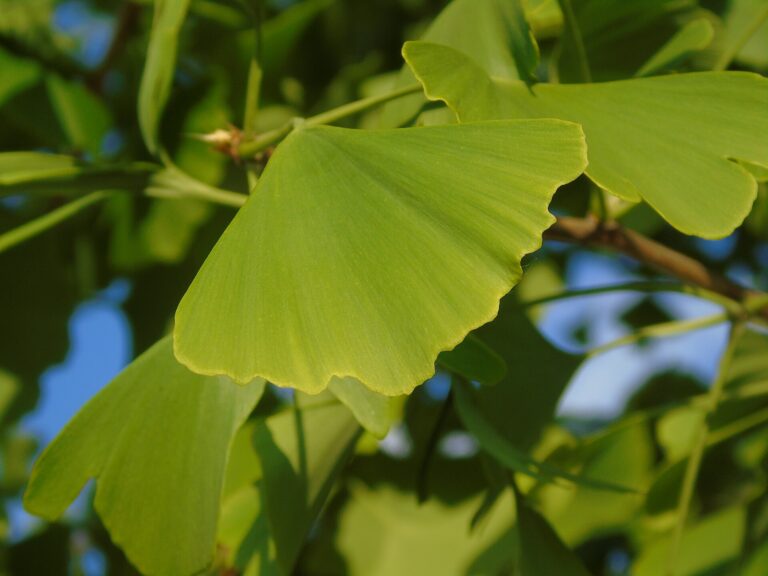
One of the oldest tree species on earth, long planted beside Buddhist temples in China and now grown on city streets across Canada. Its fan-shaped leaves became one of Europe's best-known herbal medicines for memory and circulation.
The full guide, with how to use it and the safety notes, is in the Remedies Vault.
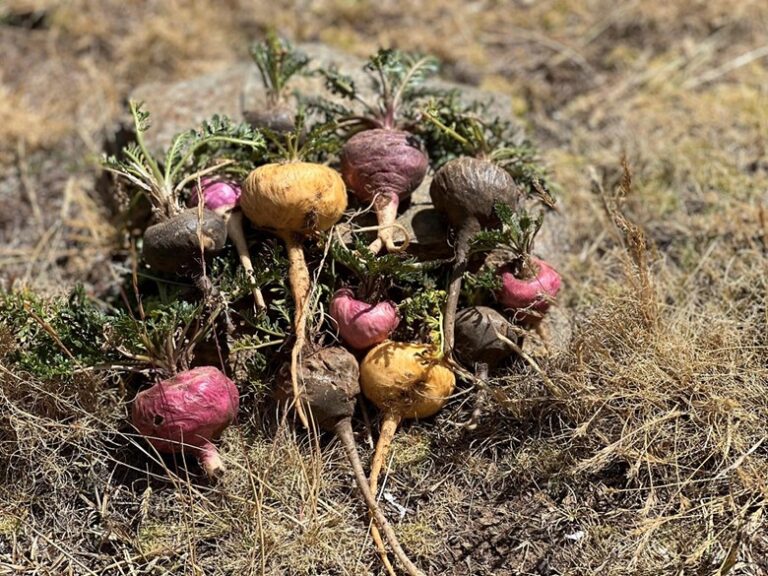
A hardy root from the high Peruvian Andes, grown at around 4,000 metres for up to 2,000 years. Andean families have long eaten it as a staple food and an energizing tonic, and today it's one of the most popular "superfood" roots for energy and vitality.
The full guide, with how to use it and the safety notes, is in the Remedies Vault.

Colloidal silver is one of the most talked-about "natural antibiotics" online. Before you buy it, read why health regulators in Canada and the US warn against taking it, and what silver's real history in medicine looks like.
The full guide, with how to use it and the safety notes, is in the Remedies Vault.