
Vitamin A
The vitamin behind night vision, healthy skin and a strong immune system — found in liver, carrots and sweet potatoes. Here's who runs low, what people take it for, and why more isn't better.
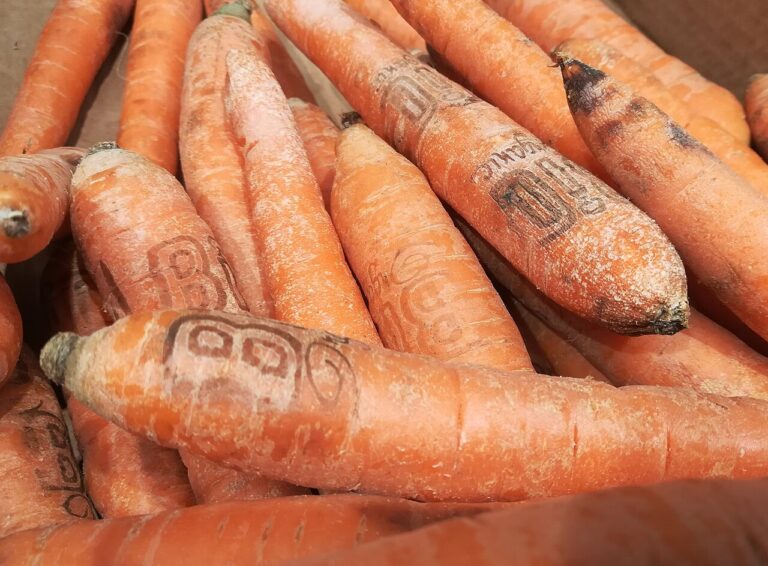
The vitamin behind night vision, healthy skin and a strong immune system — found in liver, carrots and sweet potatoes. Here's who runs low, what people take it for, and why more isn't better.
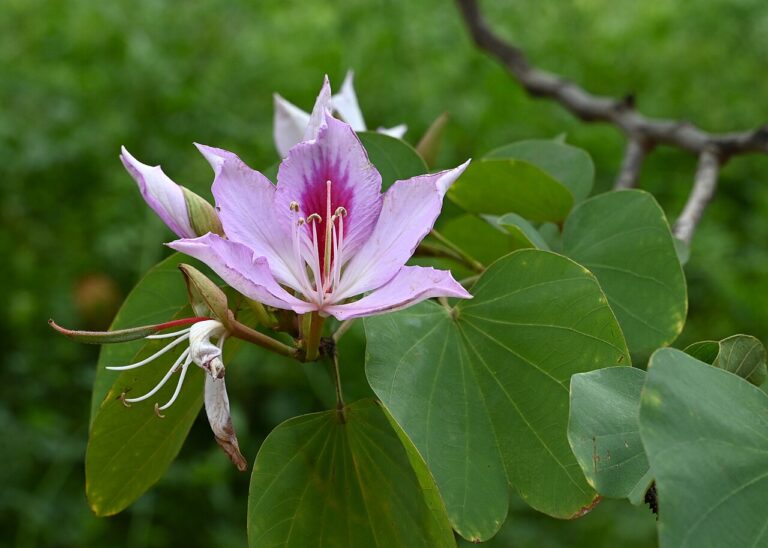
A flowering orchid tree whose bark is the heart of Kanchanar guggulu, one of Ayurveda's best-known formulas for swellings and glands. Here's what tradition says about it.
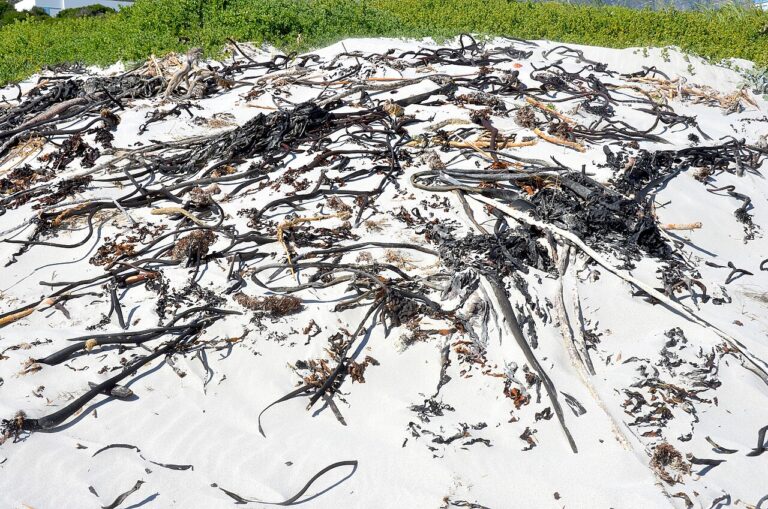
Iodine is the mineral your thyroid builds its hormones from, and pregnancy and breastfeeding raise the need more than almost any other nutrient. Members can read who runs low, where it comes from, and why more isn't always better.
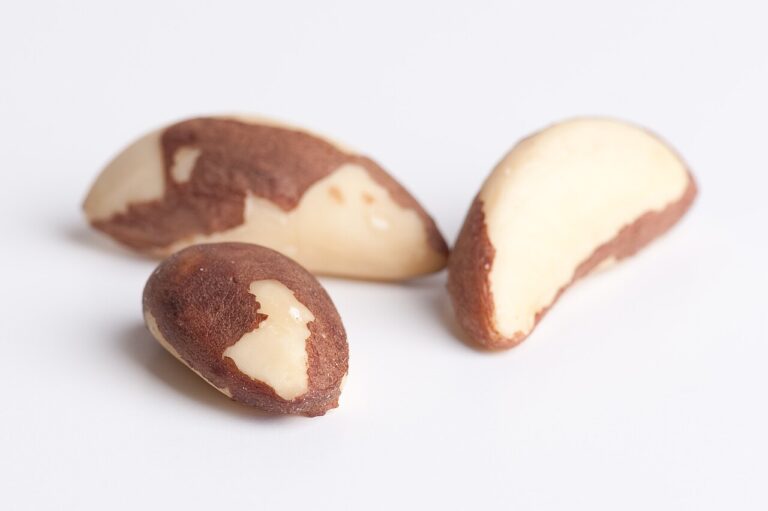
A trace mineral your thyroid and antioxidant enzymes depend on, where a little goes a long way and too much causes real harm. Here's who may need it, the best food sources, and the safe upper limit.
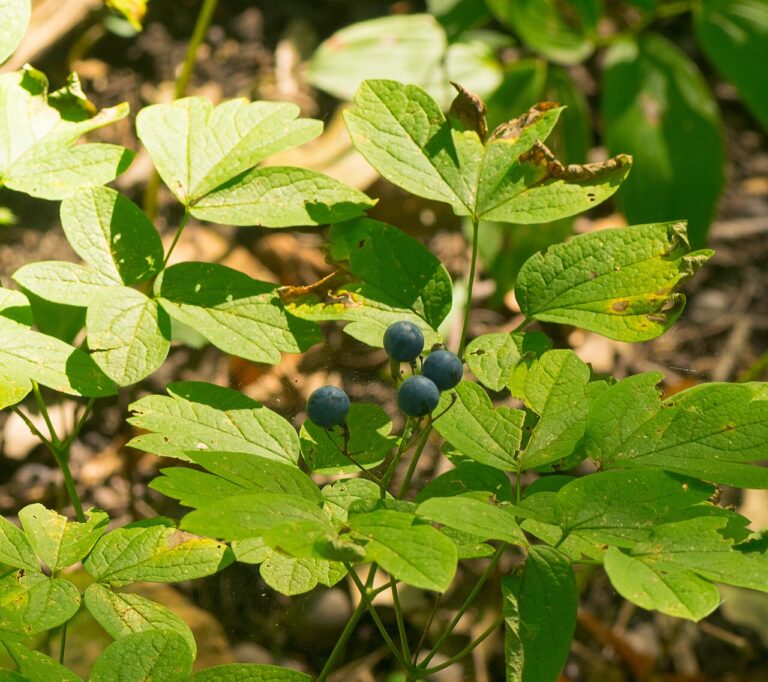
A North American root once used to bring on labour, now linked to serious heart problems in newborns. Here's its history and why it's on our caution list.
Calcium is the main mineral in bones and teeth, and most people can get enough from food. Here's who may need a supplement, which form to pick, how much is too much, and the medicines it clashes with.
Iron carries oxygen in every red blood cell, and running low is one of the most common nutrient gaps. Here's who needs a supplement, why low iron always needs a reason, which forms are gentler, and why iron belongs locked away from children.
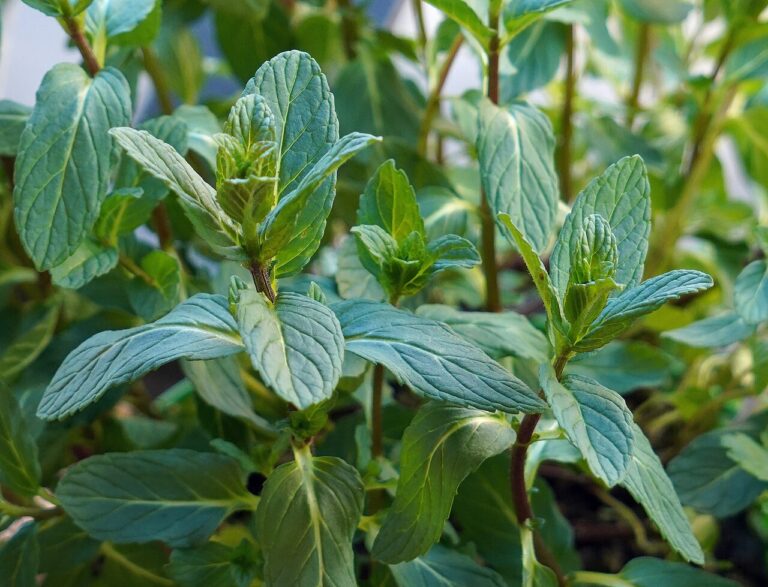
PCOS has a new name, PMOS, because it's about far more than the ovaries: hormones, blood sugar, weight, skin, mood and long-term heart health are all part of it. This guide walks through every natural option people use, from daily habits and spearmint tea to inositol and acupuncture, with the evidence and safety for each laid out plainly.
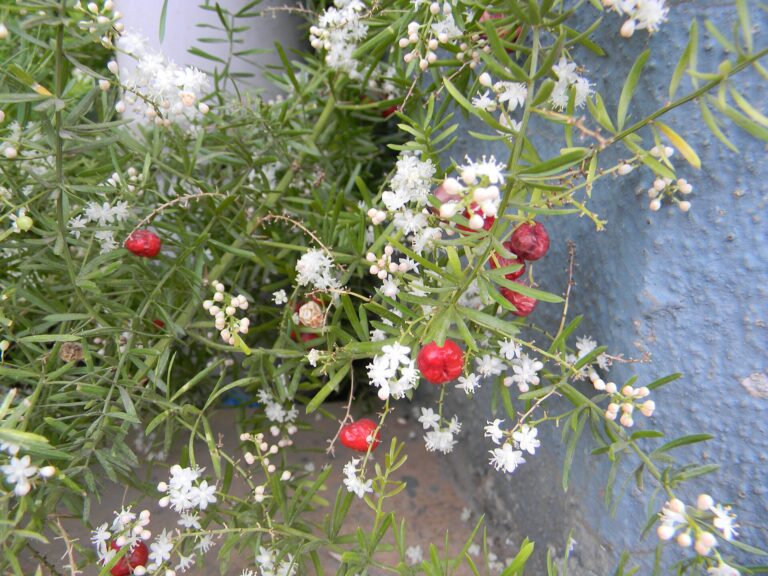
Shatavari is one of Ayurveda's best-known "women's tonics", a cooling, nourishing root used for centuries for breast milk, the monthly cycle and strength. Here's what tradition says, what the small studies show, and who should be careful with it.
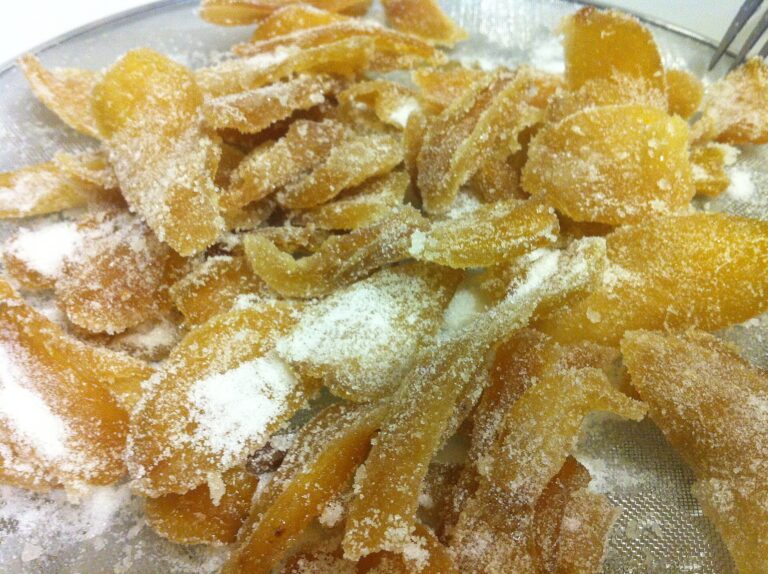
Ginger, wrist acupressure, a sniff of an alcohol swab, cold sips and dry crackers: some nausea remedies have real trials behind them and others are mostly tradition. This entry sorts them by evidence and lists the signs that mean nausea needs a doctor, not a cup of tea.