
Intermittent Fasting
Eating within a window instead of all day long is one of the most talked-about wellness habits of the decade. Here's what the main styles look like, what the big trials found, and who should skip it.

Eating within a window instead of all day long is one of the most talked-about wellness habits of the decade. Here's what the main styles look like, what the big trials found, and who should skip it.
The full guide, with how to use it and the safety notes, is in the Remedies Vault.
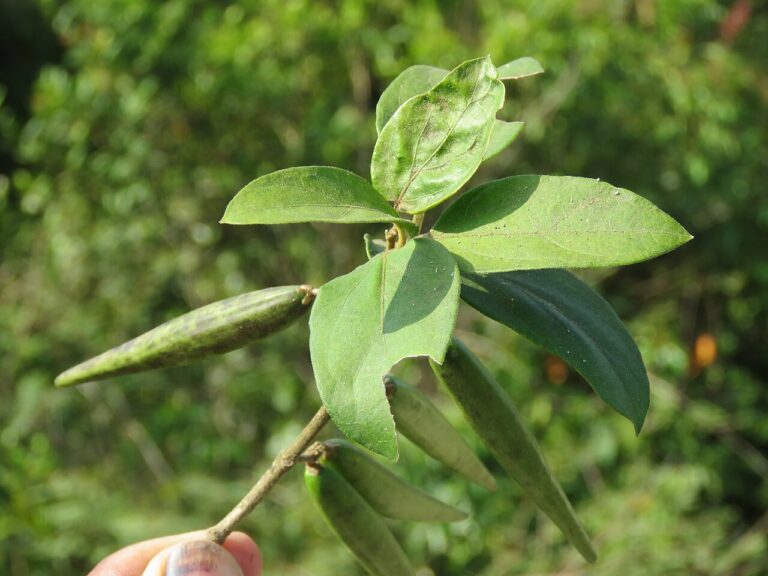
That 3 pm pull toward the cookie jar, or the sweet you can't stop thinking about after dinner, is one of the most common things people want help with. Here are the herbs, foods, habits and traditions people turn to, and what each one is believed to do.
The full guide, with how to use it and the safety notes, is in the Remedies Vault.
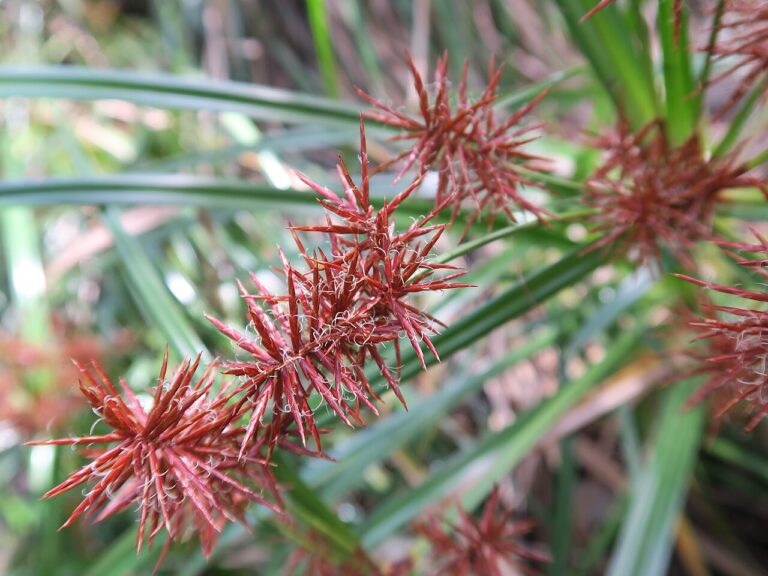
A common weed with a long life in Ayurvedic and Chinese medicine, musta is used for loose stools, digestion, fever and period discomfort. Here's the tradition, the thin research, and the cautions.
The full guide, with how to use it and the safety notes, is in the Remedies Vault.
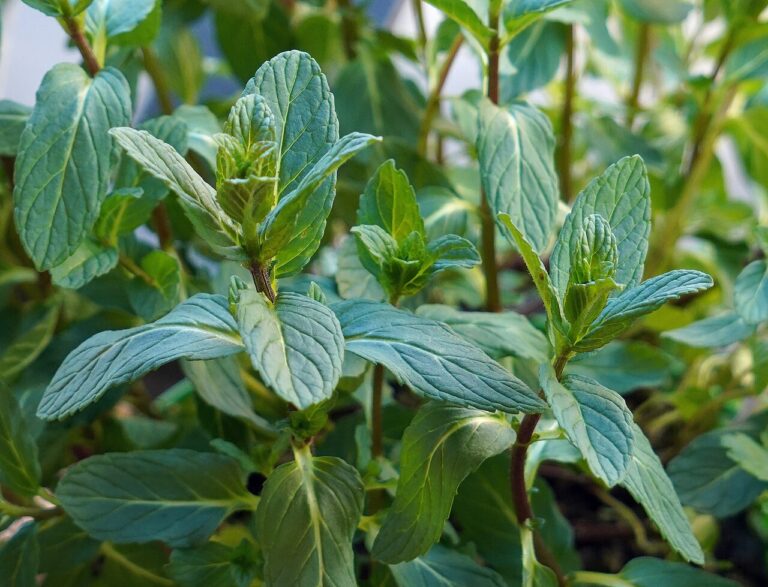
PCOS has a new name, PMOS, because it's about far more than the ovaries: hormones, blood sugar, weight, skin, mood and long-term heart health are all part of it. This guide walks through every natural option people use, from daily habits and spearmint tea to inositol and acupuncture, with the evidence and safety for each laid out plainly.
The full guide, with how to use it and the safety notes, is in the Remedies Vault.
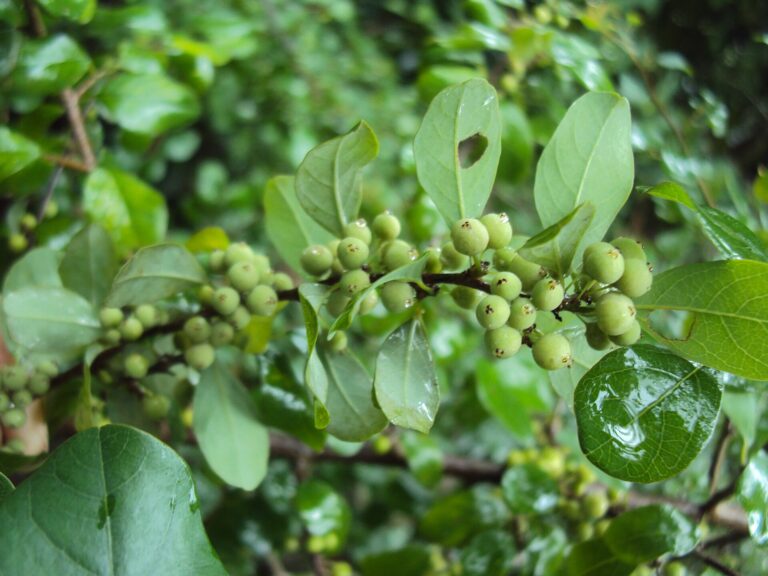
Guggul is the fragrant resin at the heart of Ayurveda's "guggulu" tablets, used for centuries for joints, weight and skin. Here's what the tradition uses it for, why a well-known US trial surprised everyone, and the rash, thyroid and medicine cautions to know first. The tree is also critically endangered, so where it comes from matters.
The full guide, with how to use it and the safety notes, is in the Remedies Vault.
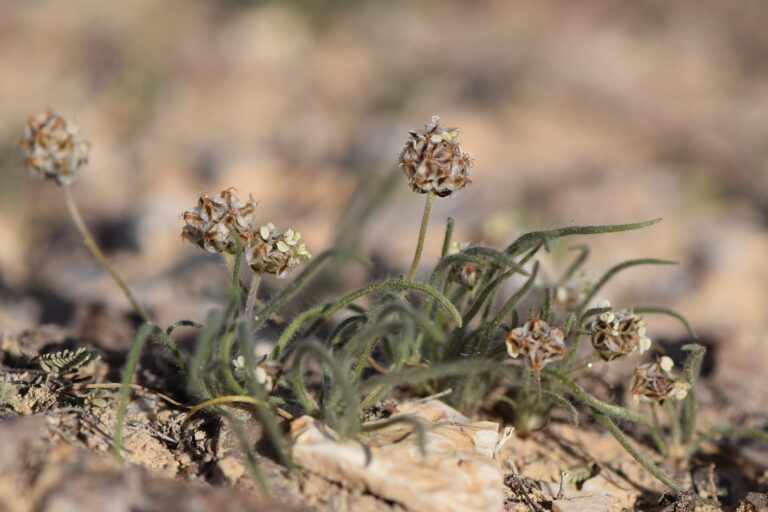
Psyllium, known in India as isabgol, is the plant fibre behind many everyday fibre supplements, and it has some of the strongest research of any herb in the vault. Here's how traditions use it, what the newest guidelines say, and how to take it safely.
The full guide, with how to use it and the safety notes, is in the Remedies Vault.
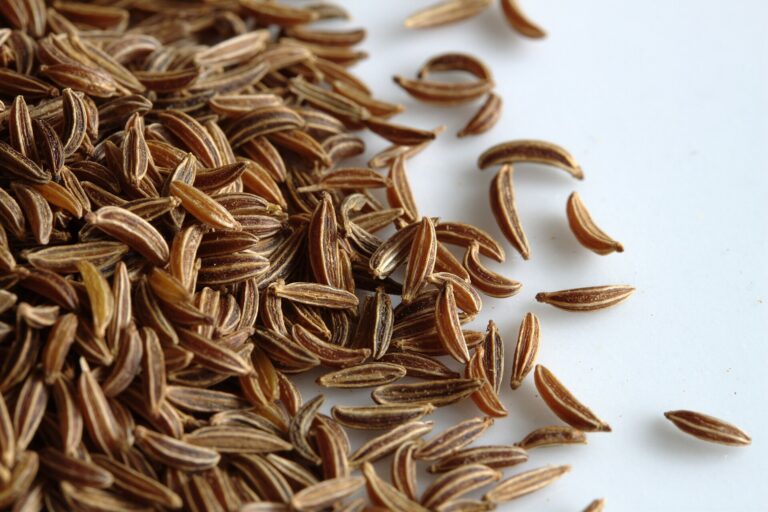
Caraway is the seed that flavours rye bread and sauerkraut, and Europe's classic after-dinner tea for wind and that over-full feeling. Here's what traditions use it for, what the studies on the caraway-plus-peppermint capsules show, how the EU says to brew it, and who should skip it.
The full guide, with how to use it and the safety notes, is in the Remedies Vault.
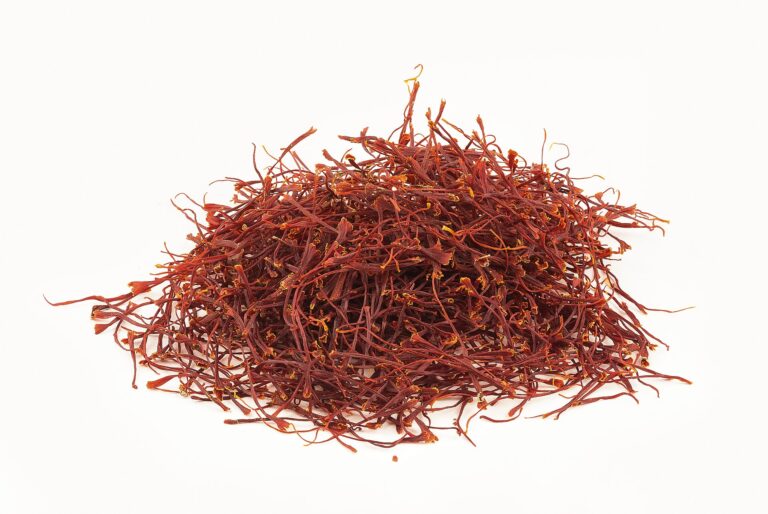
The world's most expensive spice is also one of the oldest mood herbs on record: Persian physicians called it a heart-gladdener, and modern trials have tested it for low mood and PMS. This profile covers how tradition uses it, what the research shows, and why "more" is not better with saffron.
The full guide, with how to use it and the safety notes, is in the Remedies Vault.
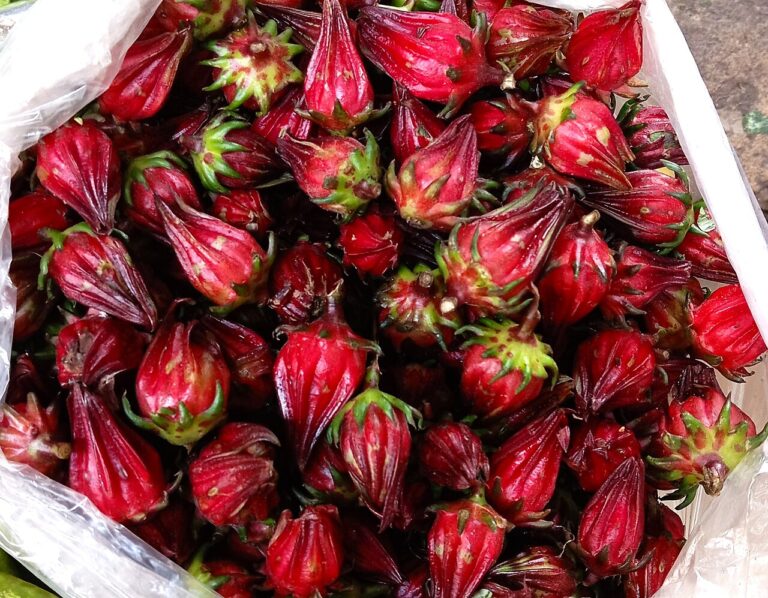
Tart, ruby-red hibiscus tea is drunk hot or iced from Egypt to Mexico and is one of the most-studied herbal teas for heart wellness. Here's what traditions use it for, what the trials show, how people brew it, and who should check first.
The full guide, with how to use it and the safety notes, is in the Remedies Vault.
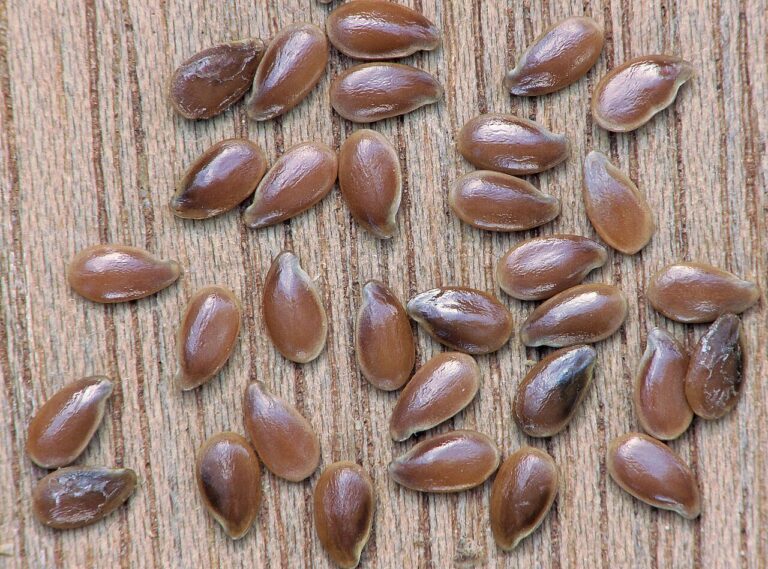
The small brown or golden seed behind linseed tea, old-fashioned linseed poultices and today's breakfast sprinkle. Flax has been a food, fibre and folk remedy for thousands of years and is now one of the better-studied seeds for the bowels and blood pressure.
The full guide, with how to use it and the safety notes, is in the Remedies Vault.