
Dwarf Morning Glory / Vishnukranti (Evolvulus alsinoides)
A tiny blue-flowered creeper that has quietly carried one of Ayurveda's most famous names, the "memory herb" shankhapushpi. Here's what traditions use it for and why the name matters.
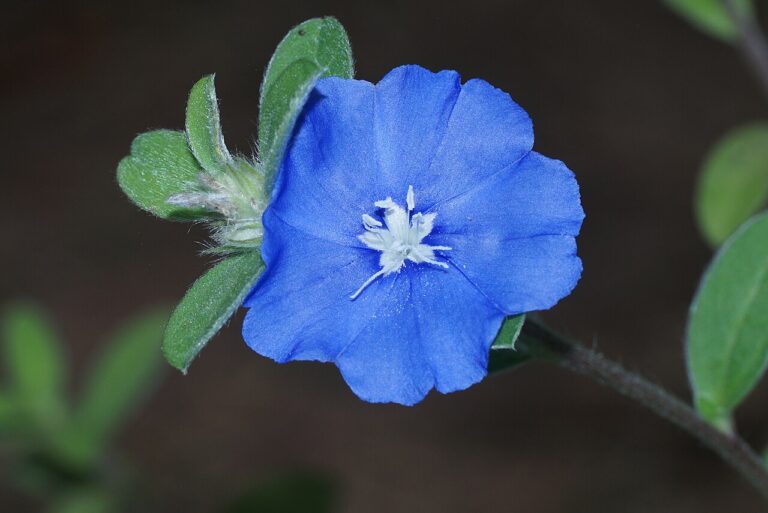
A tiny blue-flowered creeper that has quietly carried one of Ayurveda's most famous names, the "memory herb" shankhapushpi. Here's what traditions use it for and why the name matters.
The full guide, with how to use it and the safety notes, is in the Remedies Vault.
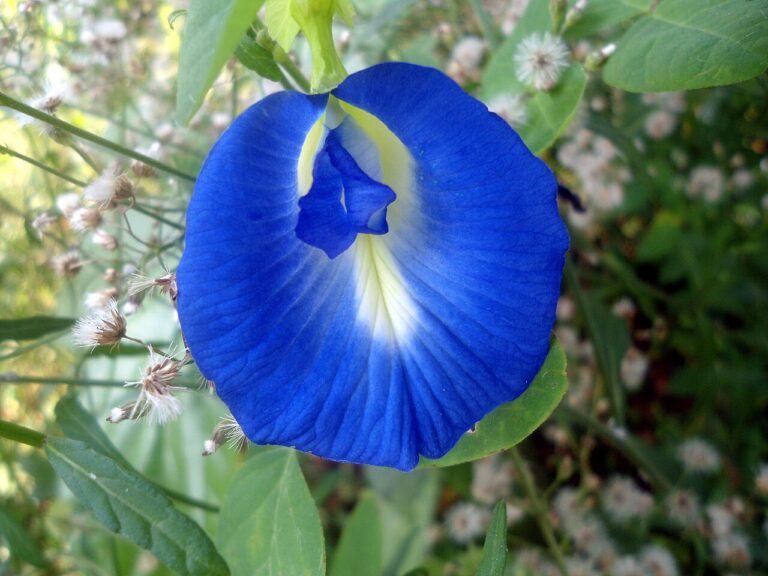
The flower behind the famous blue tea that turns purple with a squeeze of lemon has a much older life in Ayurveda as a "brain herb". Here's how butterfly pea is traditionally used, what researchers are exploring, and how to enjoy the tea well.
The full guide, with how to use it and the safety notes, is in the Remedies Vault.
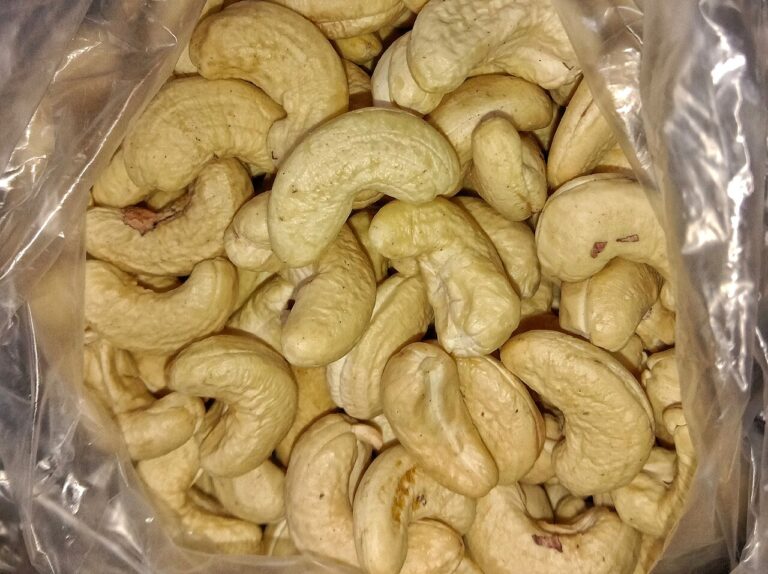
A trace mineral that quietly runs your energy, iron use and skin colour, and the other half of the zinc story. Here's what it does, where it's found in food, why zinc users keep hearing about it, and where the safe ceiling sits.
The full guide, with how to use it and the safety notes, is in the Remedies Vault.
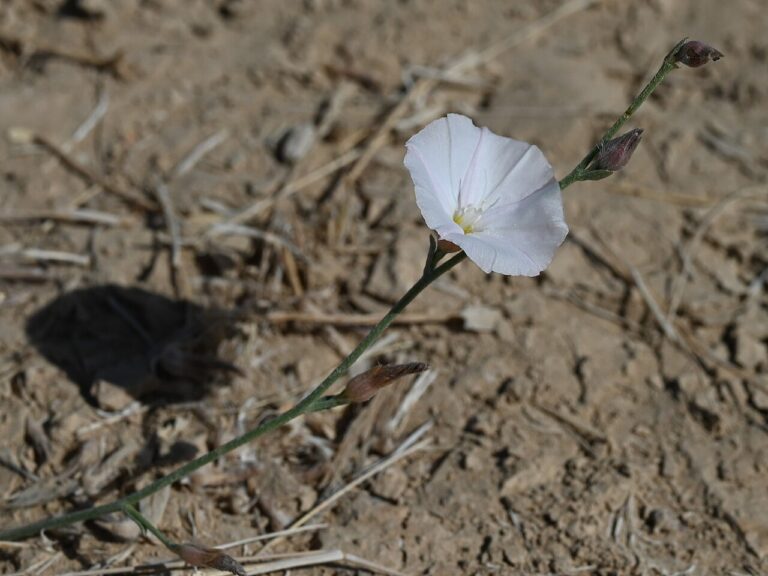
In Ayurveda, a small morning-glory with conch-shaped flowers is one of the four classic "mind tonics", given to students before exams and to anyone whose thoughts won't settle. Here's the long story of shankhapushpi, what people use it for today, and what to know before you try it.
The full guide, with how to use it and the safety notes, is in the Remedies Vault.
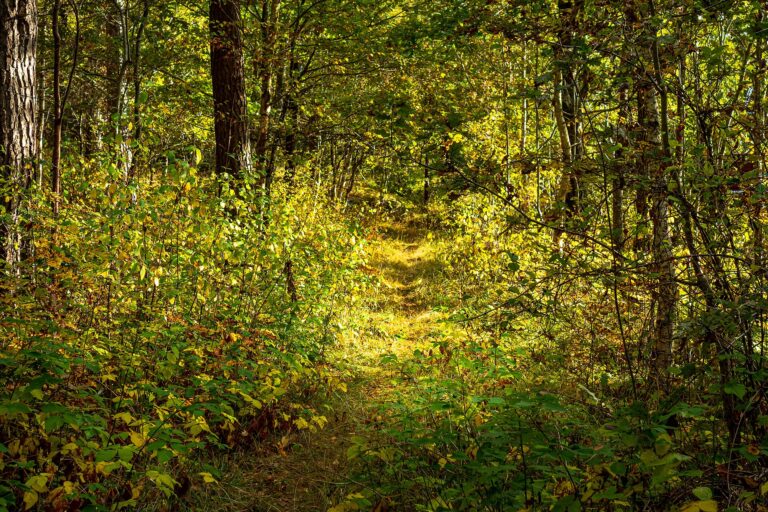
Tired for no clear reason? Here are the herbs, foods, habits and old traditions people turn to for steadier energy — and the signs that it's time for a check-up.
The full guide, with how to use it and the safety notes, is in the Remedies Vault.

That slow, fuzzy, can't-find-the-word feeling has a name, and a long list of things people reach for to clear it. Here are the herbs, foods, habits and practices people use when their head won't come into focus — and the signs that mean it's time to get checked.
The full guide, with how to use it and the safety notes, is in the Remedies Vault.
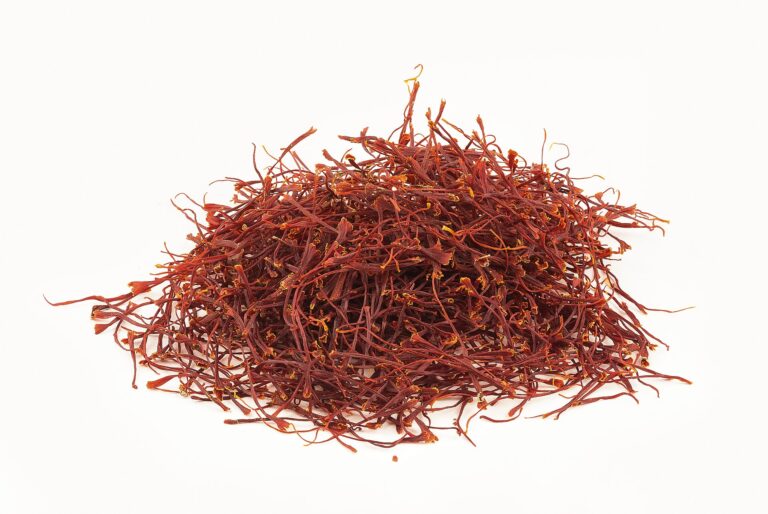
The world's most expensive spice is also one of the oldest mood herbs on record: Persian physicians called it a heart-gladdener, and modern trials have tested it for low mood and PMS. This profile covers how tradition uses it, what the research shows, and why "more" is not better with saffron.
The full guide, with how to use it and the safety notes, is in the Remedies Vault.
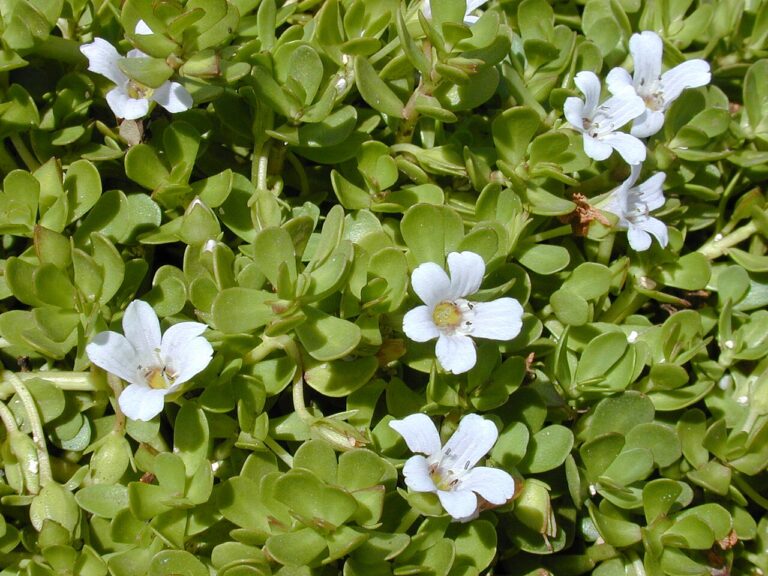
Bacopa is the creeping wetland herb Ayurveda has prized for centuries as a "medhya" tonic for memory and the mind, and one of the most-studied memory herbs today. Members get the full profile: every traditional use, what the trials really showed, the official amounts, and the side effects and drug interactions to know first.
The full guide, with how to use it and the safety notes, is in the Remedies Vault.
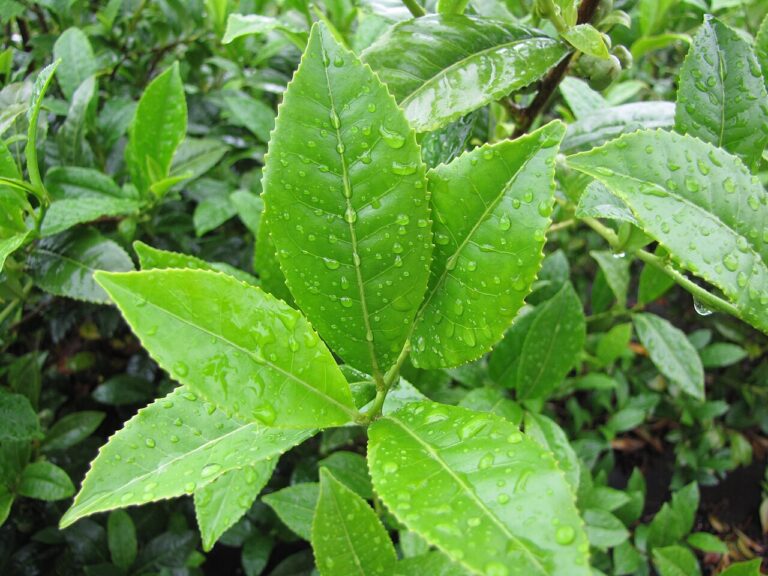
The tea plant was first grown in China thousands of years ago, and a Japanese monk wrote in 1211 that tea was a medicine for long life. Today green tea is one of the world's most-loved daily drinks, and its leaf and extracts are some of the most-studied plant compounds there are.
The full guide, with how to use it and the safety notes, is in the Remedies Vault.
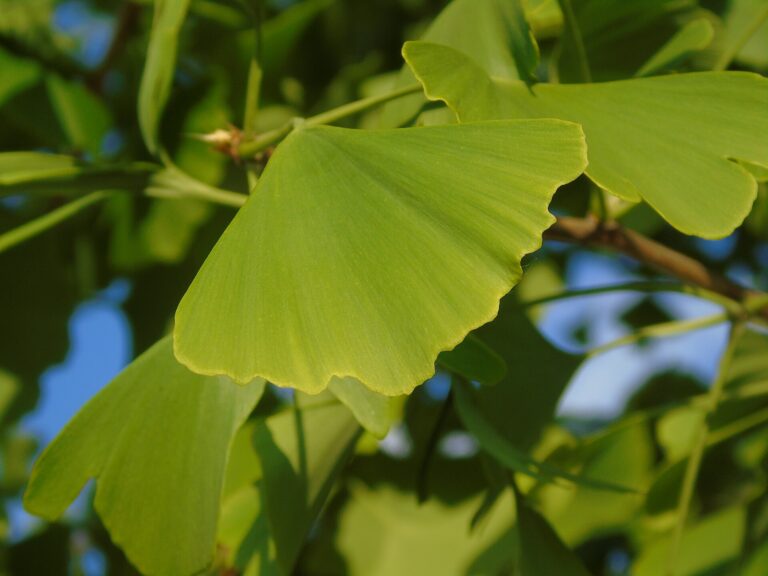
One of the oldest tree species on earth, long planted beside Buddhist temples in China and now grown on city streets across Canada. Its fan-shaped leaves became one of Europe's best-known herbal medicines for memory and circulation.
The full guide, with how to use it and the safety notes, is in the Remedies Vault.