Psyllium husk is a gentle, gel-forming fibre that many detoxers use to keep things moving while they cleanse. Members get the full entry: what the research actually shows, typical amounts, and the safety points that matter most (especially water and medication timing).
Similar Posts
Hawthorn
ByClifFor nearly 2,000 years hawthorn has been Europe's best-known heart herb, and in Chinese medicine its tart red fruit is a classic digestive. Here's what tradition uses it for, what the studies show, and why anyone on heart medicine needs to check before taking it.
Gotu Kola
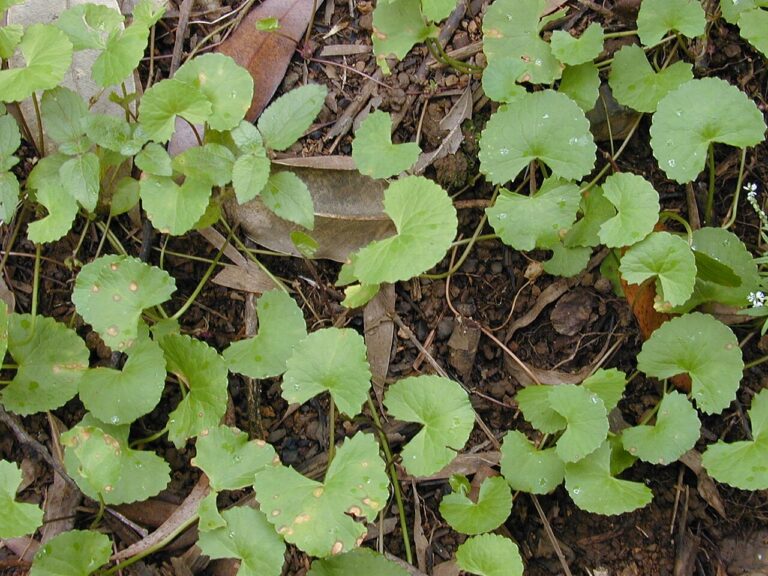
ByClifA small creeping plant from the carrot family, prized in Ayurveda as a "medhya rasayana", a tonic for the mind, and across Asia for skin, wounds and longevity. Sri Lankan tradition held that eating the leaves helped people live longer.
Ginseng (Asian and American)
ByClifGinseng has been the prized "root of strength" in Chinese medicine for centuries, and American ginseng was a woodland medicine of Indigenous peoples before it became a major export to China. Here's how the two ginsengs differ in tradition, what modern studies show for energy and fatigue, and who should be careful with it.
Valerian
ByClifValerian has been the classic "sleep root" since the days of Hippocrates and Galen, and it's still one of the most-used herbs for restless nights and nervous tension. Here's how tradition uses it, what the research on sleep really shows, why it can take a few weeks to work, and who should skip it.
Elderberry (Sambucus nigra)
ByClifA dark purple berry that European households have cooked into syrups for generations at the first sign of a cold. Today it's one of the most popular herbal supports for the cold and flu season.
Castor Oil Packs
ByClifA castor oil pack is an oil-soaked cloth laid over the belly and warmed, a slow, quiet ritual many detoxers use on rest days. Members can read where the practice comes from, what the (very small) research shows, how people traditionally set it up, and the safety points that matter.
