If you’ve looked into parasite cleansing for more than five minutes, you’ve seen these three names.
Black walnut. Wormwood. Clove.
They show up together in almost every traditional parasite protocol. And there’s a reason: each one is believed to work on a different stage of the parasite life cycle.
If you’re still wondering whether parasites are even something to look at, read when it makes sense to get tested for parasites.
Quick take
- Black walnut, wormwood and clove are the classic traditional parasite trio.
- Each is traditionally linked to a different stage: the adults or the eggs.
- Wormwood needs respect: short cycles only, and never in pregnancy.
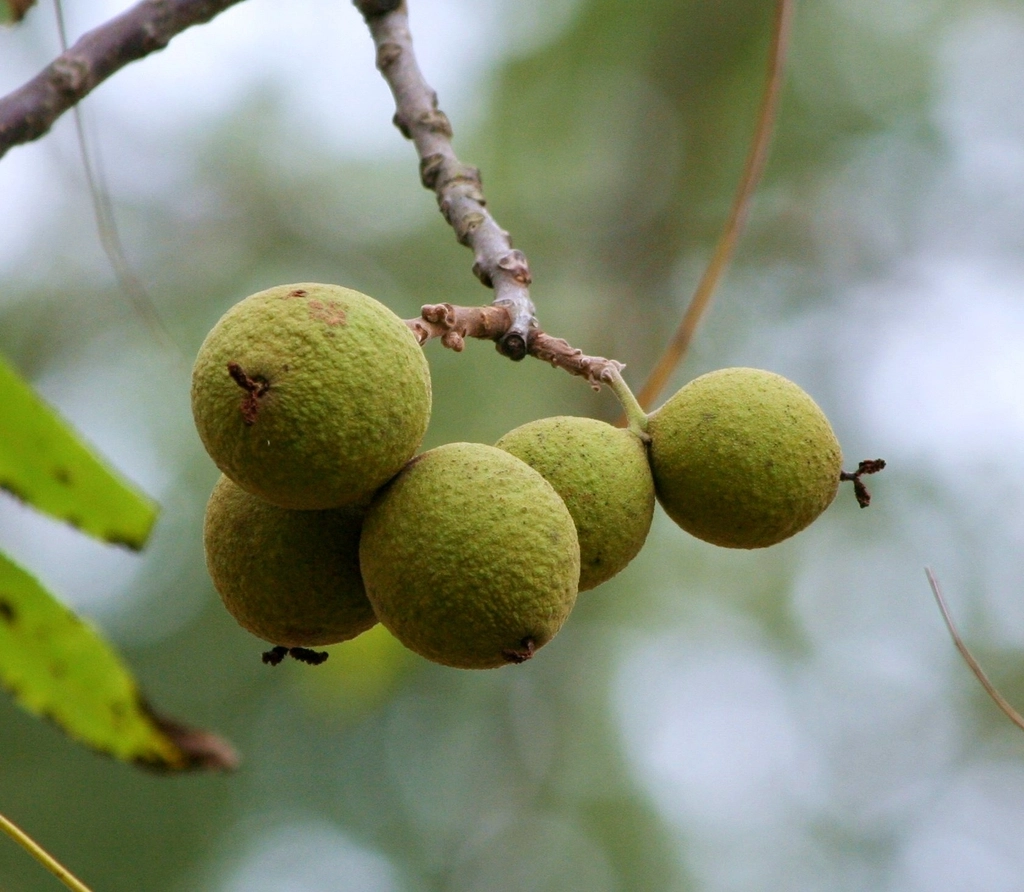
Black walnut hull
The green outer hull of the black walnut has been used in North American folk medicine for generations.
It’s rich in juglone and tannins, compounds traditionally used against intestinal worms and yeast. Herbalists often describe it as working on the adult stage.
It’s usually taken as a tincture made from the green hull. If you have a tree nut allergy, skip it.
Wormwood
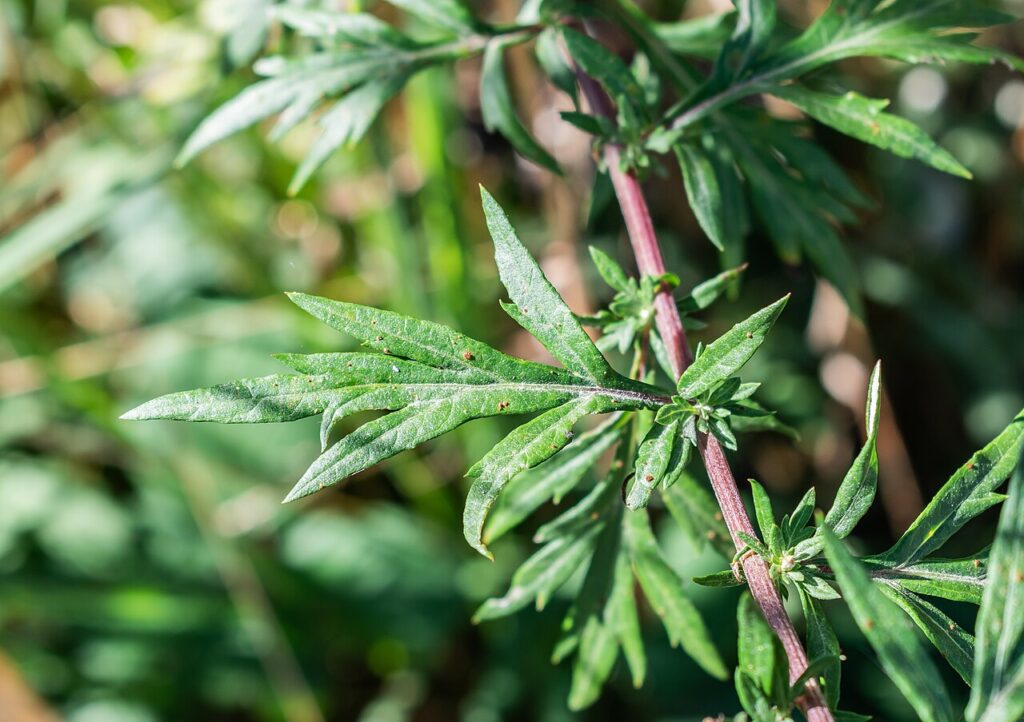
One of the oldest anti-parasitic herbs on record. Its Latin name, Artemisia, connects it to the same plant family as artemisinin, a compound with a long history in fighting parasites.
Wormwood is intensely bitter. That bitterness is part of why it’s also used for digestion and bile flow.
Wormwood needs respect. It contains thujone, which can be harmful in high doses or over long periods. Traditional protocols use it in short cycles, not every day forever. It’s not for pregnancy, breastfeeding, children, or anyone with a seizure disorder.
Clove
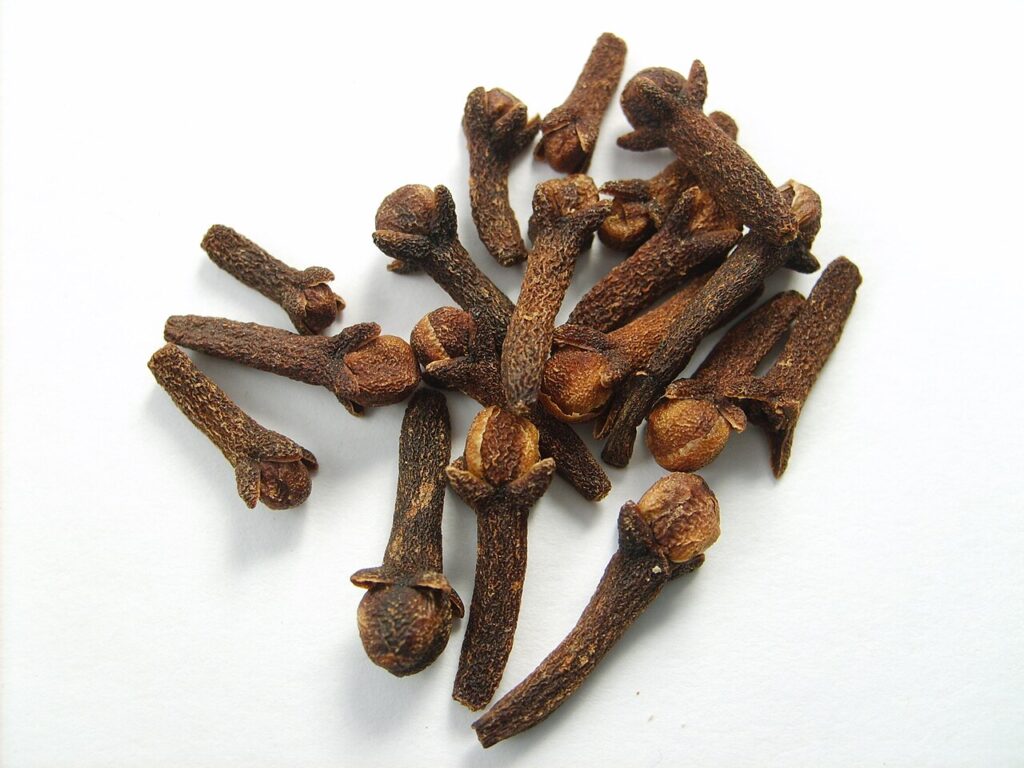
Yes, the same spice in your kitchen. Clove is packed with eugenol, and it’s traditionally used against parasite eggs.
That’s where the idea of the trio comes from: walnut and wormwood for the adults, clove for the eggs that can hatch later.
Feeling terrible isn’t a sign it’s working. It’s a sign to ease off.
How people approach a parasite cleanse
Every protocol is a little different, but the traditional pattern looks like this:
- Open your exits first. Daily bowel movements, water and fibre before you start. (Here’s why order matters.)
- Start low and build up over several days rather than jumping to full strength.
- Cycle it. Many protocols run a couple of weeks on, a week off, and repeat, to catch eggs as they hatch.
- Some time cleanses around the full moon, a folk belief that parasites are more active then.
- Use a binder. Many people add something like activated charcoal, bentonite clay or chlorella, taken a couple of hours away from food, herbs and medications.
Support from the kitchen
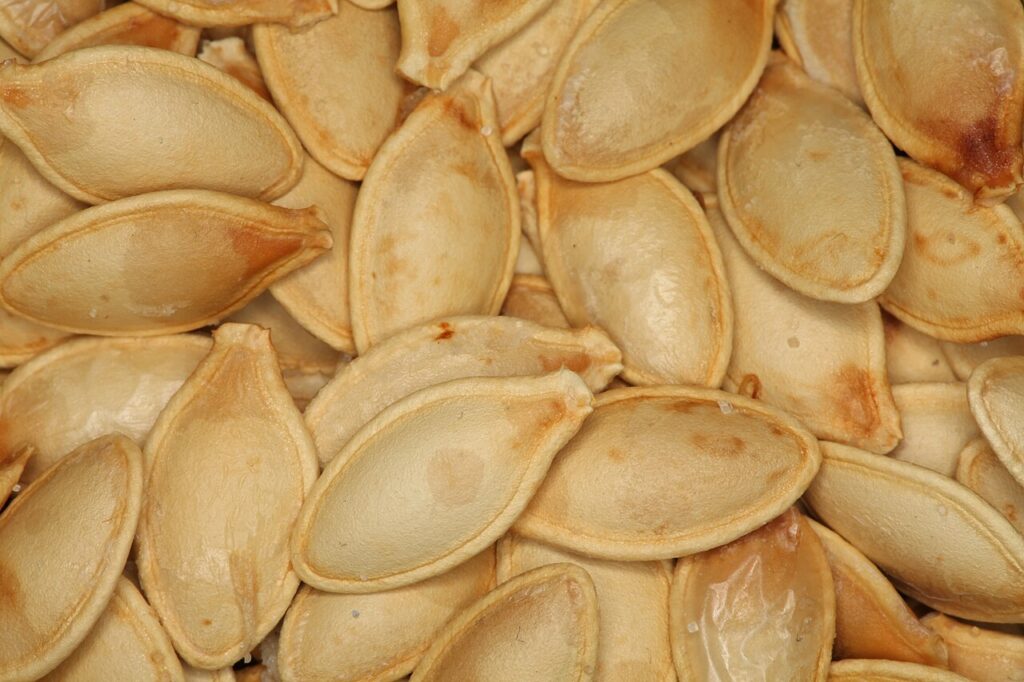
Foods with a long history in traditional parasite folklore:
- Raw pumpkin seeds
- Garlic
- Papaya seeds
- Oregano
- Cutting back hard on sugar, which parasites and yeast love
What “die-off” feels like
Some people feel worse for a few days on a cleanse: fatigue, headaches, bloating, mood swings, skin flare-ups. Natural health circles call this die-off.
If it happens, slow down. Lower the dose, drink more water, and make sure you’re going to the bathroom daily. Feeling terrible isn’t a sign it’s “really working.” It’s a sign to ease off.
When to see a doctor
Some symptoms need a proper medical work-up, not a cleanse. See a doctor if you have blood in your stool, unexplained weight loss, a fever, severe pain, or symptoms after travel to a region where parasites are common. A stool test can identify specific parasites that may need prescription treatment.
Try this today
Before any cleanse, check that you’re going to the bathroom every day. If you’re not, start there first.
Go deeper in the Vault
Full entries for black walnut, wormwood and clove, plus the complete parasite protocol, are in the Vault. Parasites in the Vault →
Educational only, not medical advice. This information has not been evaluated by the FDA or Health Canada and is not intended to diagnose, treat, cure, or prevent any disease. Talk to your healthcare provider before starting any remedy, supplement, or detox, especially if you are pregnant, nursing, taking medication, or managing a health condition. Read our full Medical Disclaimer.