Peppermint oil, caraway and fennel, low-FODMAP, belly breathing, enzymes and gut-directed hypnotherapy: the vault’s full guide to the natural options people use for bloating, with each one labelled by how good the evidence is and the warning signs that mean see a doctor first.
Similar Posts
Ginger
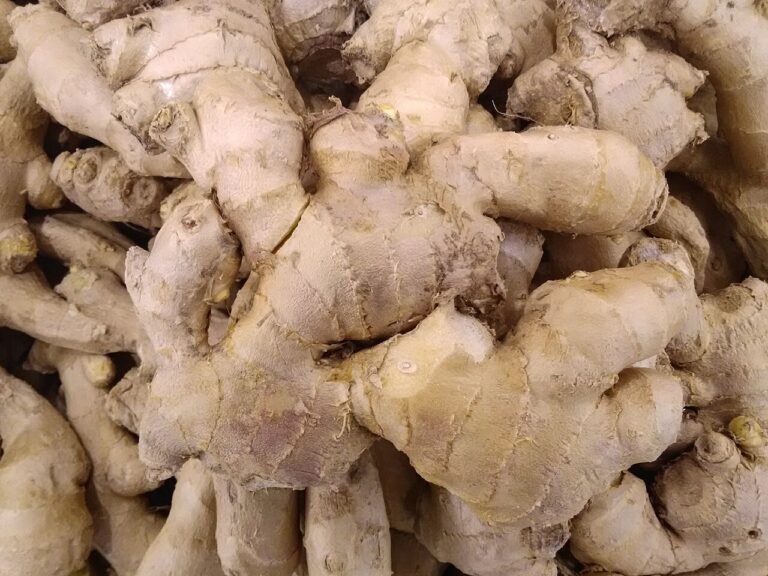
Ayurveda calls dried ginger "the great medicine" and Chinese medicine calls fresh ginger its most important herb for nausea. Here's how each tradition uses it, what the trials found for nausea, period pain and sore joints, and which medicines to check before taking it as a supplement.
Quercetin
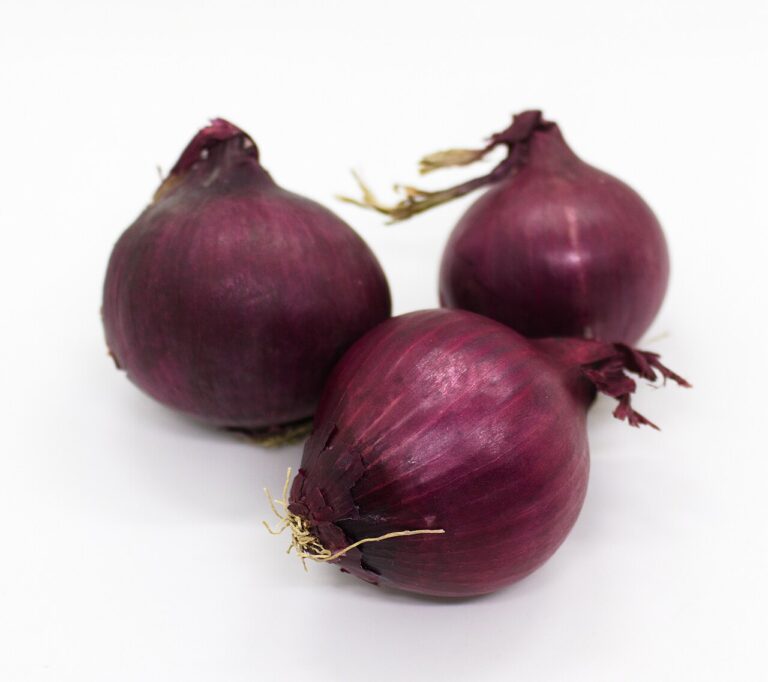
Quercetin is the most common flavonoid in the human diet, the yellow pigment behind onion skins and apple peels. Here's how naturopaths use it, the traditional herbs that are rich in it, and what the research shows.
Vitamin B12
Vitamin B12 keeps your blood and nerves working, and it's one of the few vitamins your body can quietly run short on for years without your knowing. Here's who tends to run low, which foods and forms cover your needs, what "B12 for energy" really means, and the common medicines that drain it.
Neem
Neem is a bitter Indian tree that Ayurveda has used for centuries, and it turns up in many parasite and candida cleanses today. Members get the full entry: what the lab and small human studies show, how people take the leaf, and why neem oil should never be swallowed.
Hawthorn
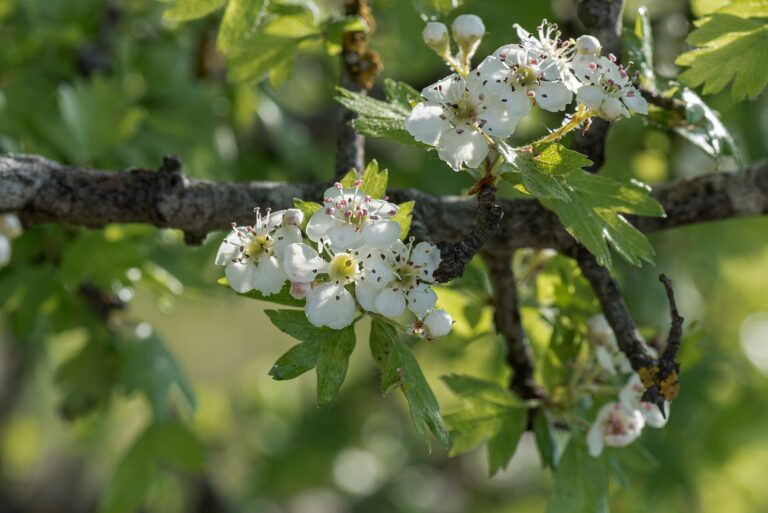
For nearly 2,000 years hawthorn has been Europe's best-known heart herb, and in Chinese medicine its tart red fruit is a classic digestive. Here's what tradition uses it for, what the studies show, and why anyone on heart medicine needs to check before taking it.
Lemon Balm
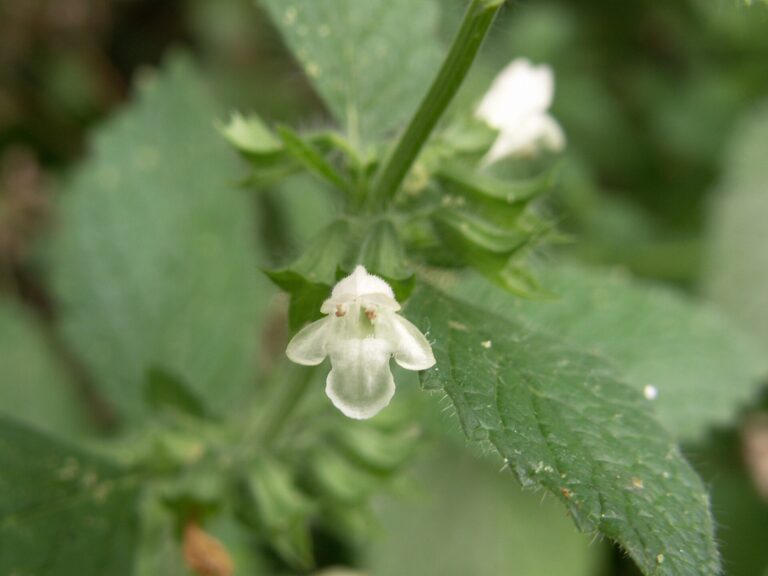
For more than two thousand years, lemon balm has been the herb people reach for to “gladden the heart” and calm a racing mind. Here's how tradition uses it for nerves, sleep, digestion and cold sores, what the research shows, and why people with thyroid conditions should check first.