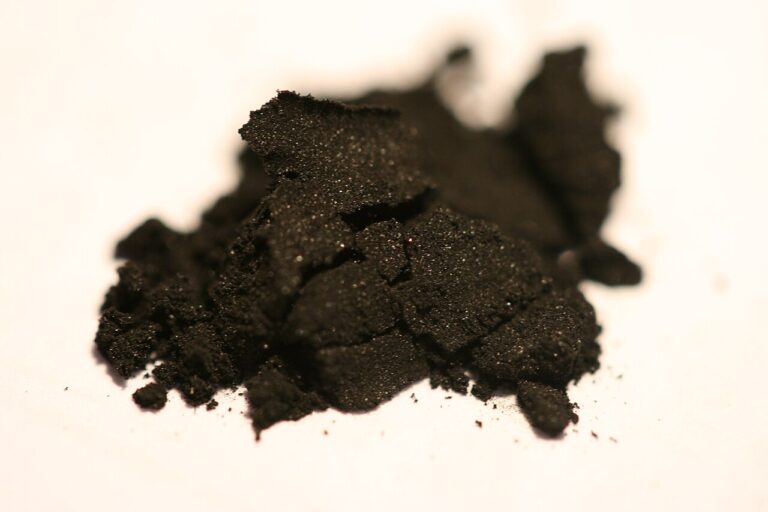
Everyone wants to talk about charcoal and clay. But the binder most people already have in the kitchen is fibre.
If you missed the start of binder week, Binders explained: charcoal, clay, chlorella and pectin covers the basics. This post goes deeper on the quiet one: fibre, and why naturopaths often reach for it first.
Quick take
- Your liver sends waste out in bile, and much of what reaches the gut can be soaked back up. Fibre helps carry it out instead.
- Psyllium has the strongest research (regularity and cholesterol). Ground flax is the easy kitchen option. Modified citrus pectin has small, early studies on metals.
- Start low, drink plenty of water, and keep fibre 2 hours away from medicines and supplements.
The liver’s recycling loop
Your liver packs things it wants gone into bile: used-up cholesterol, bilirubin, some medicine and hormone by-products, and traces of some metals. Bile flows into the small intestine to help digest fat.
Then something thrifty happens. The body reabsorbs most of its bile acids near the end of the small intestine and sends them back to the liver to use again. Roughly 95%, by textbook estimates. Some of what rode along in the bile can go back with them.
Soluble fibre turns into a gel in the gut. That gel is thought to hold onto some bile acids so they leave in the stool instead. The liver then pulls cholesterol from the blood to make fresh bile, which is one reason fibre is studied for cholesterol.
So when naturopaths call fibre “the everyday binder”, this is what they mean. It’s not grabbing toxins like a magnet. It’s helping the exit door stay open.
Constipation first
If you’re not having a comfortable bowel movement most days, anything a binder picks up just sits there longer. Many practitioners won’t start charcoal, clay or a parasite cleanse until regularity is sorted.
Fibre, water and movement are usually how they sort it.
Psyllium: the gentle gel
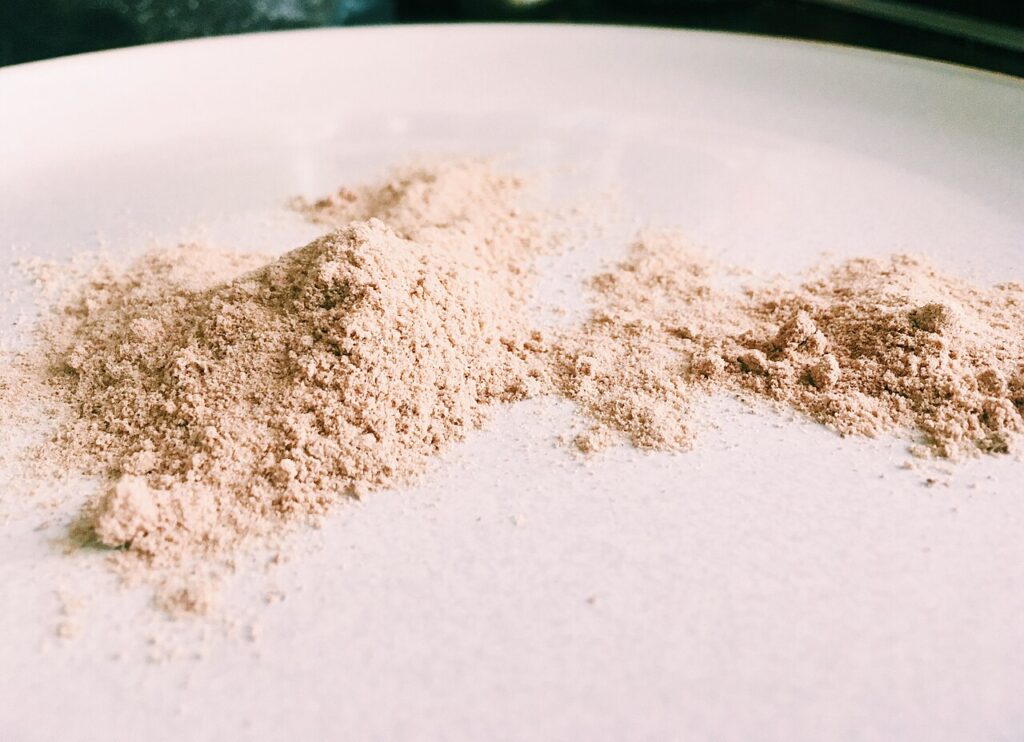
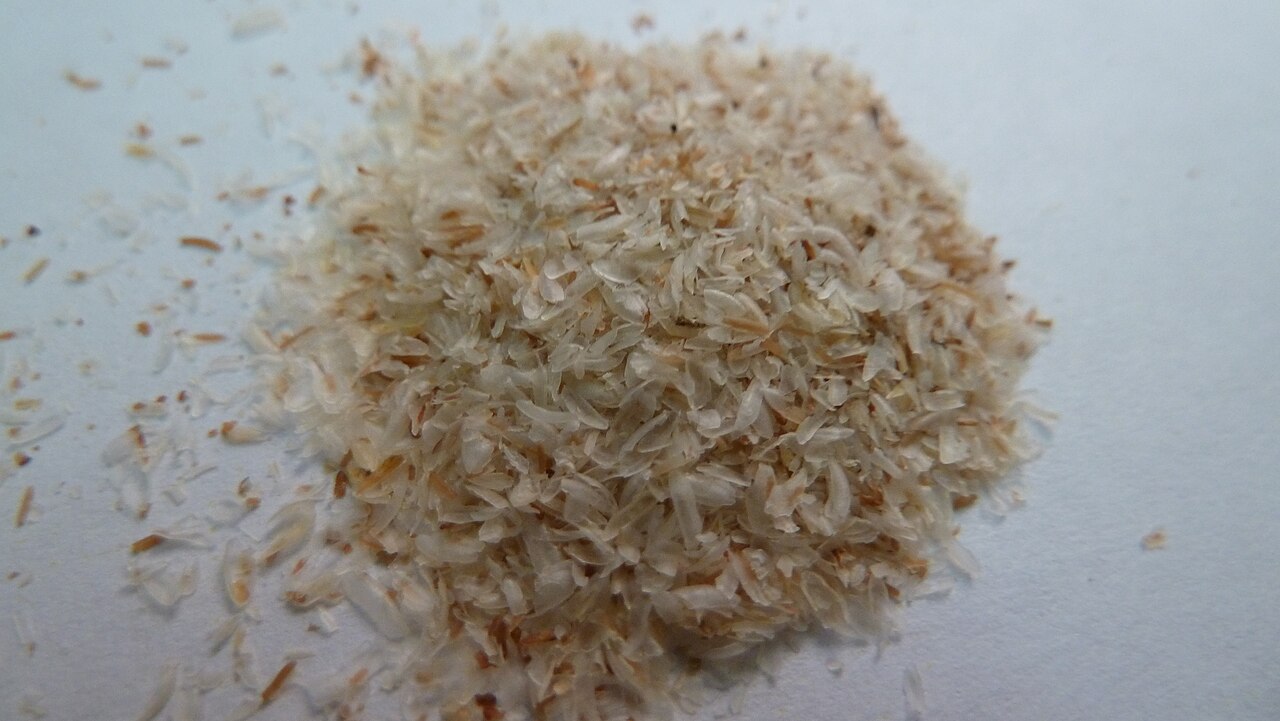
Psyllium is the thin husk of Plantago ovata seeds. In India it’s known as isabgol and has a long history as a household remedy for both sluggish and loose bowels.
- Regularity: European and Canadian health regulators accept it as a bulk-forming laxative. A 2025 British dietitians’ guideline for chronic constipation suggests at least 10 g a day, built up slowly with extra fluid.
- Cholesterol: a 2025 review of 41 trials found it lowered LDL and total cholesterol on average, though results varied. (If you’re weighing the cholesterol question itself, see Does high cholesterol even matter?)
- Blood sugar: pooled trials show modest drops, mostly in people with type 2 diabetes.
What it doesn’t have: good human studies showing it pulls heavy metals, mould toxins or parasites out of the body. Its job in a cleanse is regularity.
Typical label amounts are a teaspoon or so of powder stirred into a full glass (at least 240 mL) of water, one to three times a day. Labels vary, so follow yours, and check with your doctor first. The laxative effect usually starts in 12 to 24 hours and can take 2 to 3 days to settle in.
A binder only works if it actually leaves. Fibre is what makes sure it does.
Ground flax: the kitchen option

Flaxseed (linseed) has been soaked and taken for the bowels in European folk medicine for centuries.
- Grind it. Whole seeds often pass straight through. Ground flax lets you get at the fibre and the omega-3 fat inside.
- Use it in food. Stir a spoonful into oatmeal, yogurt or a smoothie, with plenty to drink.
- Oil isn’t the same. Flaxseed oil has the fat but none of the fibre, so it doesn’t do the binder job.
The US National Center for Complementary and Integrative Health notes flaxseed has a laxative effect and is being studied for cholesterol, with mixed results. Don’t eat raw or unripe flaxseed in large amounts, and take it with lots of water like any fibre.
Citrus pectin, regular and modified

Pectin is the fibre in the white pith and peel of citrus. It’s what sets jam. Regular pectin, like other soluble fibres, is part of the fibre-rich diets linked with better cholesterol.
Modified citrus pectin (MCP) is different. It’s pectin broken into smaller pieces with heat and pH changes, so some of it can be taken up from the gut. It’s the form people use as a binder.
What the metal studies show:
- In a 2006 pilot study, 8 healthy adults took MCP for 6 days. More arsenic, mercury, cadmium and lead showed up in their urine, and the minerals the body needs didn’t change.
- In a 2008 pilot study, children in hospital with high blood lead took MCP for 28 days. Their blood lead fell, with no side effects reported.
Interesting, but not proof: both studies were tiny, had no placebo group and involved the product’s developer. MCP is still being studied. Grocery-store pectin isn’t the same thing.
Labels typically suggest about 5 g in water on an empty stomach, up to 15 g a day split into doses. Follow your product’s label and check with your doctor first. People often pair it with chlorella or cilantro (see the heavy metal trio) or with clay (see bentonite, zeolite and other clays).
How people start without getting backed up
- Start low. A small amount once a day for a week, then build up. Going from zero to a lot is the fastest way to bloating and gas.
- Add water every time. Fibre without enough fluid can make constipation worse, and dry psyllium can swell in the throat. Drink the glass right away, before it thickens.
- Use the 2-hour rule. Fibre can slow how well medicines and supplements are absorbed. Keep them at least 2 hours apart, and ask your pharmacist what gap suits yours.
- Stop if you get constipated or crampy, and talk to your doctor.
- Never stop a prescribed medicine to make room for a binder.
Also available: ready-made detox kits
If you’d rather follow a program that already pairs binders with cleansing herbs, you can browse detox kits, sold by an outside company. Check each label for which binder or fibre it uses, and skip them if you’re pregnant, nursing, prone to constipation or on daily medication without your doctor’s OK.
Sponsored link. If you buy through it, Clif may earn a commission at no extra cost to you. The claims on the seller’s page are theirs, not ours, and haven’t been checked by us. It’s not a substitute for seeing your doctor.
Who should skip it or check first
- Anyone with trouble swallowing, a narrowed esophagus or bowel, or a past bowel blockage.
- People with diabetes, especially on medication: fibre can lower blood sugar, so doses may need adjusting.
- Anyone on lithium, carbamazepine, digoxin, warfarin-type blood thinners, thyroid medicine or a statin like lovastatin: ask your pharmacist about timing first.
- People allergic to psyllium or citrus. Psyllium dust can trigger allergy in sensitive people, so mix it gently.
- Pregnancy, nursing and children: talk to your doctor or midwife before using any of these as a supplement.
- Anyone with cancer considering MCP: talk to your care team, and never use it in place of treatment.
Binders are usually used short-term, in cycles, not forever.
When to see a doctor
- A change in bowel habits that lasts more than 2 weeks.
- Blood in the stool, black tarry stools you can’t explain, or unexplained weight loss.
- Belly pain with nausea or vomiting, or no bowel movement after taking a fibre laxative.
- Chest pain, choking or trouble swallowing after taking psyllium: get help right away.
- A known high lead or metal level: that needs medical testing and care, not fibre alone. If you suspect poisoning, call Poison Control or 911.
Try this today
Stir one tablespoon of freshly ground flax into your breakfast and drink a full glass of water with it. Do the same for a week before adding anything stronger, and notice how your digestion feels.
Go deeper in the Vault
Members can open the full Detox Library entries for Psyllium Husk and Modified Citrus Pectin, with typical amounts, interactions and sources, plus everything we have on gut and candida in one place. New here? See what’s inside the Remedies Vault.
Educational only, not medical advice. This information has not been evaluated by the FDA or Health Canada and is not intended to diagnose, treat, cure, or prevent any disease. Talk to your healthcare provider before starting any remedy, supplement, or detox, especially if you are pregnant, nursing, taking medication, or managing a health condition. Read our full Medical Disclaimer.