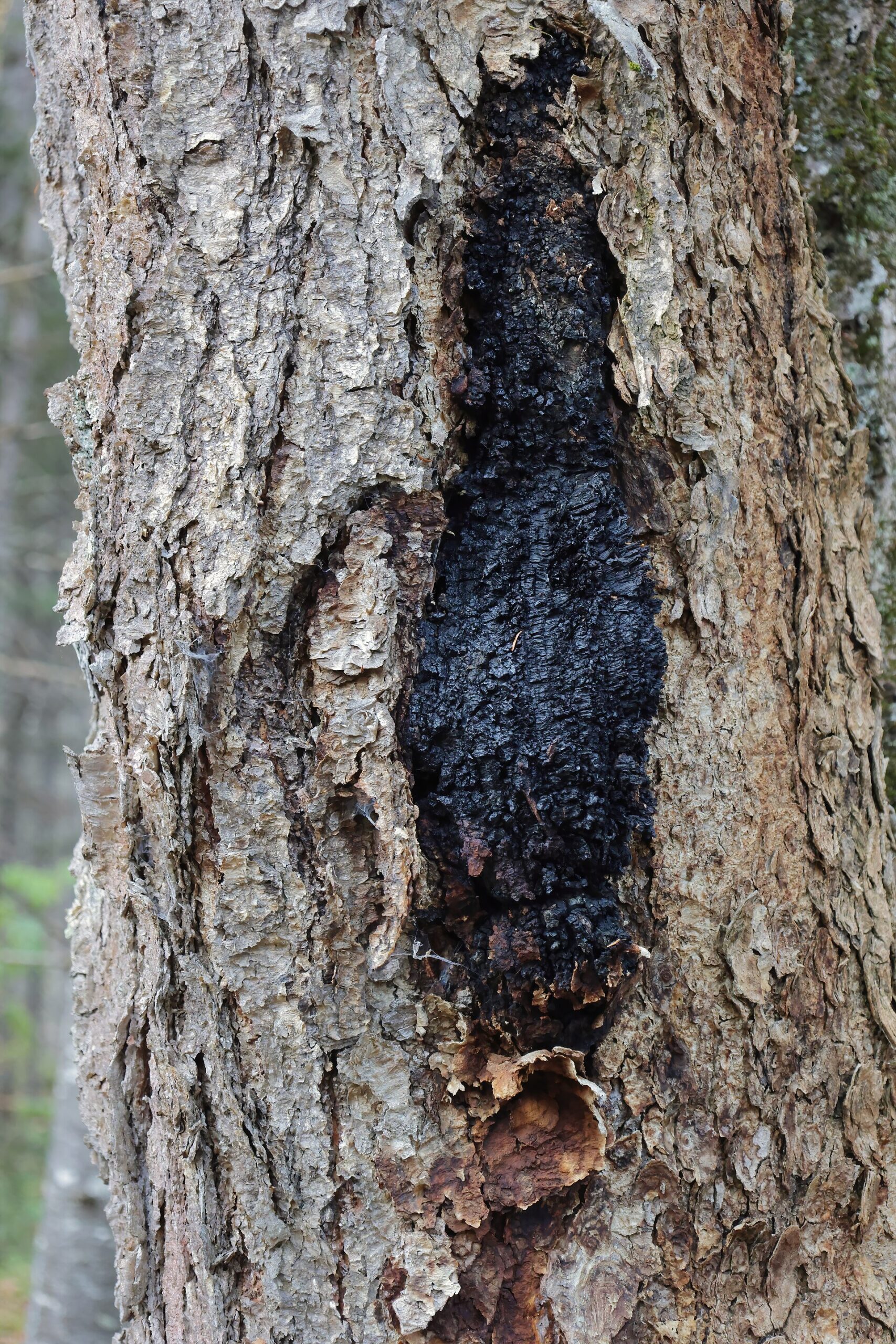
Chaga is the black, crusty “birch conk” of the northern forests, brewed for centuries into a dark, earthy tea in Siberia, Scandinavia and Indigenous North America. Here’s where it comes from, what the research actually shows so far, and the kidney caution everyone should know before trying it.
Similar Posts
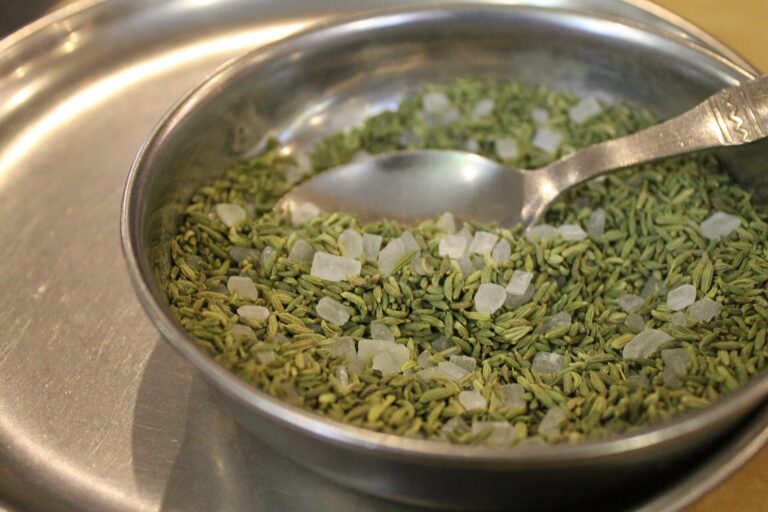
Gas: natural options
Everyone has gas: most people pass it up to 20 times a day. This entry sorts the kitchen spices, teas, bean-cooking tricks, enzymes and breathing practices people use for extra wind and burping by how well they're backed, and flags when gas is a sign to see a doctor.
Glutathione
Glutathione is the body's own main antioxidant, and detoxers take it as a supplement to back up the liver's natural clean-up work. Members get the full entry: what the small trials found about whether swallowed glutathione even gets absorbed, typical amounts, and the safety points to know first.
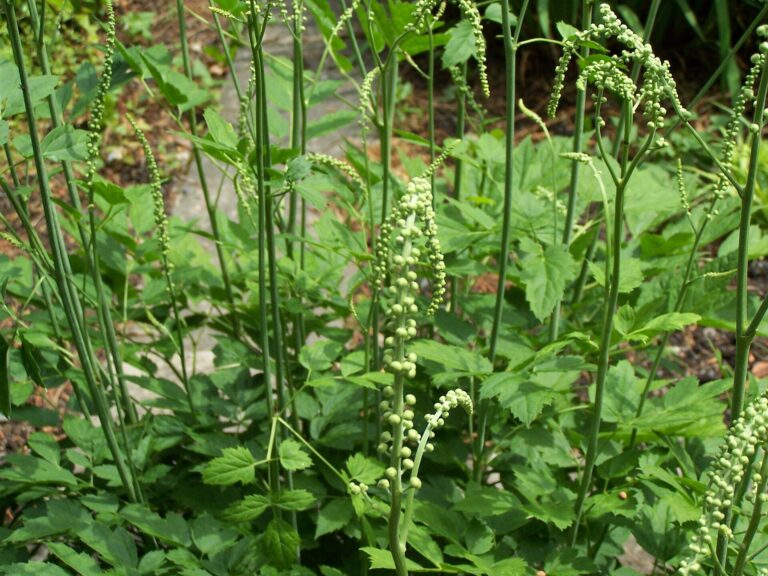
Black Cohosh
A tall woodland plant with white flower spikes, used by Indigenous peoples of eastern North America and by 19th-century Eclectic doctors, and now one of the best-known herbs for hot flushes. Here's what the tradition used it for, what the menopause studies really show, the EU amounts, and why its rare liver warning matters.
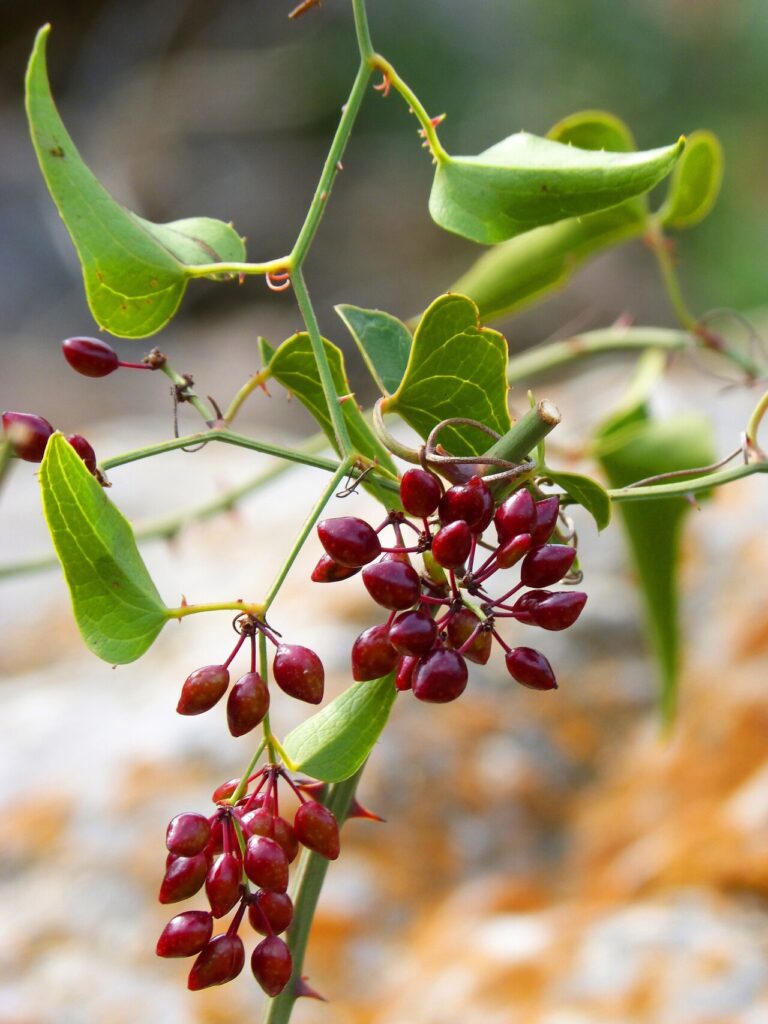
Sarsaparilla
Sarsaparilla root was one of the most famous "blood purifiers" of European and American medicine for about three centuries, and it still turns up in blood-cleanse, skin and men's tonic blends. Members get the full entry: its history, why doctors doubted it as early as the 1850s, what the research does and doesn't show, and its digoxin, lithium and kidney cautions.
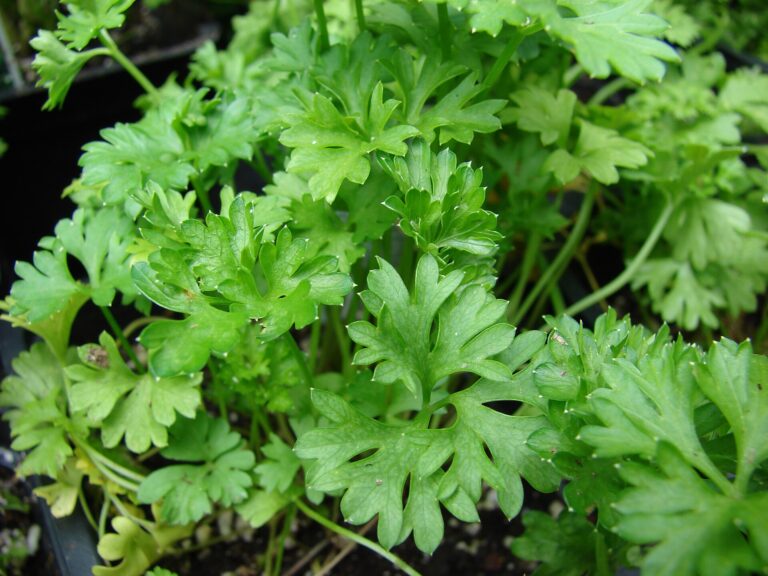
Parsley (Herbal Profile)
The garnish on your plate has a long history as a kitchen herb for the bladder and the belly. This profile covers how traditions used the leaf, root and seed, why the evidence is thin, and why the seed and its oil are a different matter from the leaf.
Asafoetida (Hing)
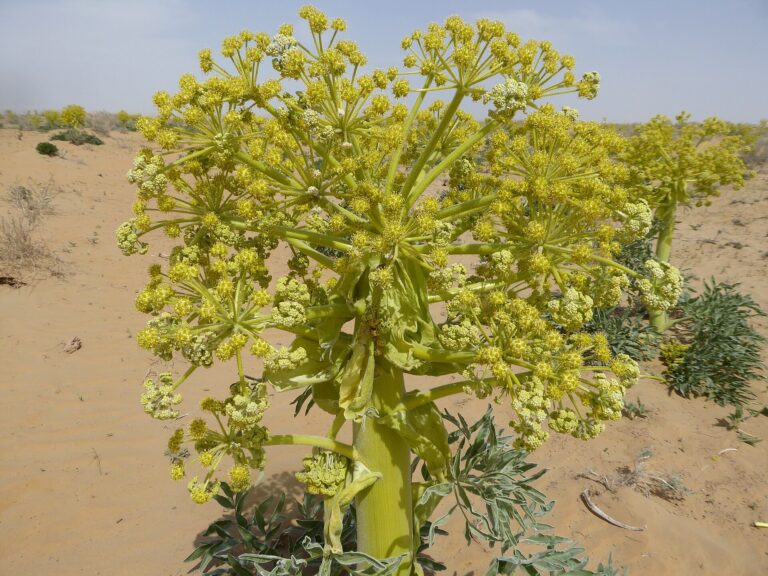
Asafoetida, or hing, is the pungent resin that Indian cooks add by the pinch to beans and lentils, and that Ayurvedic and Persian healers have long used for wind and sluggish digestion. Here's what traditions use it for, what the small trials found, and who should keep it to food amounts.